Apple explains how to turn off the new MacBook Pro’s glowing logo
Apple released Terminal instructions to disable the new MacBook Pro glowing lid logo by writing an administrative LEBacklightMode override to CoreBrightness.
By Dillip Chowdary • Nov 07, 2026 • Source: 9to5Mac
Apple has published official guidance detailing how owners of its latest laptop can disable the illuminated rear lid symbol, as documented in 9to5Mac's report. The company brought back the glowing emblem after a ten-year hiatus with the launch of the new MacBook Pro equipped with a PROLED XDR Display. Because some users prefer a completely dark lid during presentations, travel, or work in low-light environments, Apple outlined the exact software instructions necessary to shut down the lighting module.
This breakdown details the mechanics behind the illumination hardware, the specific macOS Terminal commands required to toggle it off and on, and the system dependencies that govern its behavior. It is designed for MacBook Pro buyers, IT administrators managing deployment fleets, and developers seeking to understand how the operating system handles ambient light adjustments across different hardware finishes.
Apple explains how to turn off the new: the announcement
The return of the illuminated lid marking on the new MacBook Pro with PROLED XDR Display generated significant attention during Apple's hardware unveiling. Following developer discussions and hands-on reviews, Apple published a dedicated support document addressing users who do not wish to keep the lid illuminated while using their computers. Rather than offering a graphic toggle inside System Settings, the company documented an administrative command line method that modifies core system preferences to disable the light output entirely.
The support document clarifies that the emblem remains active whenever the Mac is awake and adjusts dynamically to surrounding environments. However, for professionals working on video sets, attending dark conference halls, or operating in distraction-free studio spaces, maintaining an active glowing emblem on the rear lid can be unwanted. Apple confirmed that users possessing administrative privileges on the machine can fully suppress the hardware light by editing preference strings directly through macOS Terminal.
What actually changed with Apple explains how to turn off the new
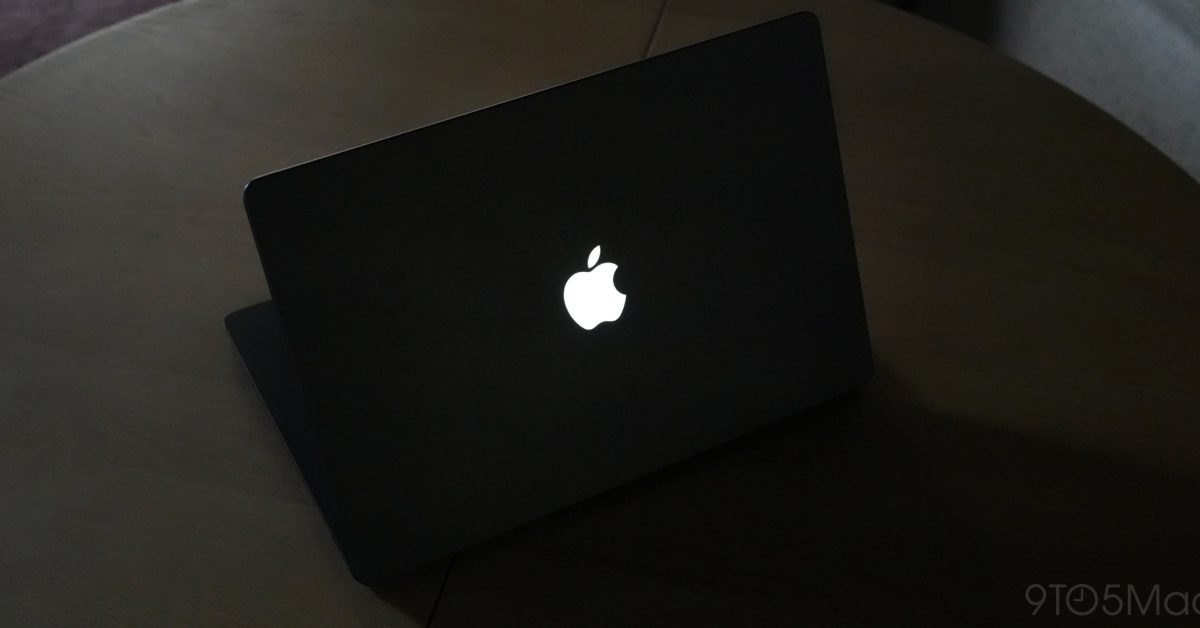
The architecture of the glowing emblem represents a fundamental shift from Apple's historical design. On older laptops discontinued after the 2016 redesign, the lid cutout relied directly on passive pass-through illumination from the panel backlight. Because the new MacBook Pro features a PROLED XDR Display with self-emissive OLED technology and lacks a traditional panel backlight to draw light from, Apple engineered a dedicated internal light system specifically to illuminate the cutout. When the laptop lid is closed, the emblem takes on the appearance of polished metal matching the aesthetic established in 2016.
Technical analysis from developer Gui Rambo and review coverage from Chance Miller established that the new mechanism is completely software-controlled via CoreBrightness. The hardware operates with 25kHz pulse-width modulation and features per-device factory calibration. The brightness of the lid illumination adjusts automatically based on screen levels and ambient light detected by the computer's integrated light sensors, making the emblem dimmer in dark rooms and brighter under strong illumination. Furthermore, CoreBrightness adjusts the emission profile based on the specific enclosure color of the machine.
Advertisement
Tech Pulse Daily
Get tomorrow's pulse first
Join engineers who read Tech Pulse before stand-up. Free, weekday mornings.
Who should care about Apple explains how to turn off the new
Creative professionals and enterprise operators who rely on color-critical or low-reflection environments directly benefit from having control over the lid light. In recording studios, production sets, and dark screening rooms, an active light source projecting outward from a laptop casing can cause unwanted specular reflections or distract on-camera talent. Having an officially supported mechanism to deactivate the emitter ensures that users working in sensitive visual production environments can eliminate excess light spill without applying physical tape or aftermarket decals over the enclosure.
Fleet administrators and software engineers managing multi-user Mac deployments also need to account for this configuration. Because the suppression setting is written to system-level CoreBrightness preferences using root privileges, system administrators can package the terminal instruction into configuration scripts for enterprise rollouts. This allows automated provisioning for corporate units deployed to corporate presentation stages, lecture auditoriums, or environments where uniform equipment appearance is mandated.
How to try Apple explains how to turn off the new
To shut off the illumination completely, open the Terminal application on macOS and execute the command sudo defaults write com.apple.CoreBrightness LEBacklightMode -int 0 while authenticated with an administrator account. The system will prompt for the administrator password to confirm the write operation to the CoreBrightness domain. Once the preference key is registered, the illuminated emblem will remain off while the display is active, matching the dark look of previous non-illuminated metal lids.
Users who want to re-enable the illumination can restore default operation by opening Terminal and executing sudo defaults delete com.apple.CoreBrightness LEBacklightMode. Removing this key instructs the operating system to resume automatic 25kHz PWM brightness management tied to the ambient light sensor and display levels. Additionally, Apple notes that performing a full reinstallation of macOS clears the custom preference and automatically restores factory lid illumination behavior upon setup.
What to watch after Apple explains how to turn off the new
User discussions surrounding the release indicate significant demand for an integrated graphical control interface. Community feedback on support forums and technical boards highlights that managing two complementary single-line terminal states through administrative commands could easily translate into a standard toggle inside macOS System Settings. Observers are tracking future macOS point updates to see whether Apple introduces a native slider or checkbox in the Displays preference pane to simplify adjustment without requiring Terminal commands.
Another key area to monitor is developer interaction with the CoreBrightness framework. Because Gui Rambo confirmed that the emblem is software-governed with per-device calibration and enclosure-specific color adjustments, third-party utility developers may explore menu-bar utilities or automated display-profile tools that hook into these preference values. As more users deploy the PROLED XDR Display MacBook Pro across varying workflows, further documentation on power draw and brightness curves will clarify how software continues to govern the lid hardware.
Developer Action Items
- ☐ Verify the claim on the official Apple / macOS page (or 9to5Mac), not from this recap alone.
- ☐ Name the surface that moved — API, policy, model, hardware, or commercial terms — before you Slack the thread.
- ☐ Assign one owner a day to read the primary material and decide: this-sprint, this-quarter, or noise.
- ☐ Do not change production on day-one coverage. Watch the vendor changelog and one independent write-up first.
Apple explains how to turn off the new FAQ
How do you turn off the glowing Apple logo on the new MacBook Pro?
Users can disable it by running the command sudo defaults write com.apple.CoreBrightness LEBacklightMode -int 0 in macOS Terminal using an administrator password.
Why does the new MacBook Pro need a dedicated light for the logo?
The PROLED XDR Display uses an OLED panel with no backlight to pass through, requiring a dedicated software-controlled light source calibrated to the enclosure.
How do you turn the glowing logo back on after disabling it?
Run sudo defaults delete com.apple.CoreBrightness LEBacklightMode in Terminal, or perform a reinstallation of macOS to restore factory illumination.
Sources

Author
Dillip Chowdary
Writes Tech Bytes coverage of AI, engineering, and the tools that actually ship. Editor of Tech Pulse Daily.
Related on Tech Bytes
Advertisement