Apple Intelligence now requires almost double the iPhone storage on latest
iOS 27 launched this week with a major overhaul to Apple Intelligence. Apple Intelligence now requires almost double the iPhone storage on latest
By Dillip Chowdary • Sep 24, 2026 • Source: 9to5Mac
Apple shipped iOS 27 this week, and the update brings the most significant overhaul yet to Apple Intelligence — including a storage requirement that has nearly doubled for certain iPhone models. The change caught many users off guard, arriving as part of a broad AI expansion rather than a standalone policy update.
This piece breaks down exactly what changed, which devices are affected, and what the new storage floor means for anyone using or planning to use Apple Intelligence features. Developers targeting on-device AI capabilities will want to pay particular attention to how requirements now differ across the iPhone lineup.
Apple Intelligence now requires almost double: what actually changed
The requirement shift is tied to the scale of the AI overhaul bundled into iOS 27. Apple Intelligence in this release is not a minor iteration — the company rebuilt significant portions of the on-device AI stack, and the expanded model footprint appears to be driving the higher storage ceiling on affected hardware.
Apple Intelligence now requires almost double: how it works
Apple Intelligence runs a combination of on-device models and server-side processing through Apple's Private Cloud Compute infrastructure. The on-device component requires dedicated free storage to download, cache, and operate the language and image models that power features like Writing Tools, image generation, and priority notifications. When available storage falls below the threshold, iOS suspends Apple Intelligence entirely rather than running a degraded version.
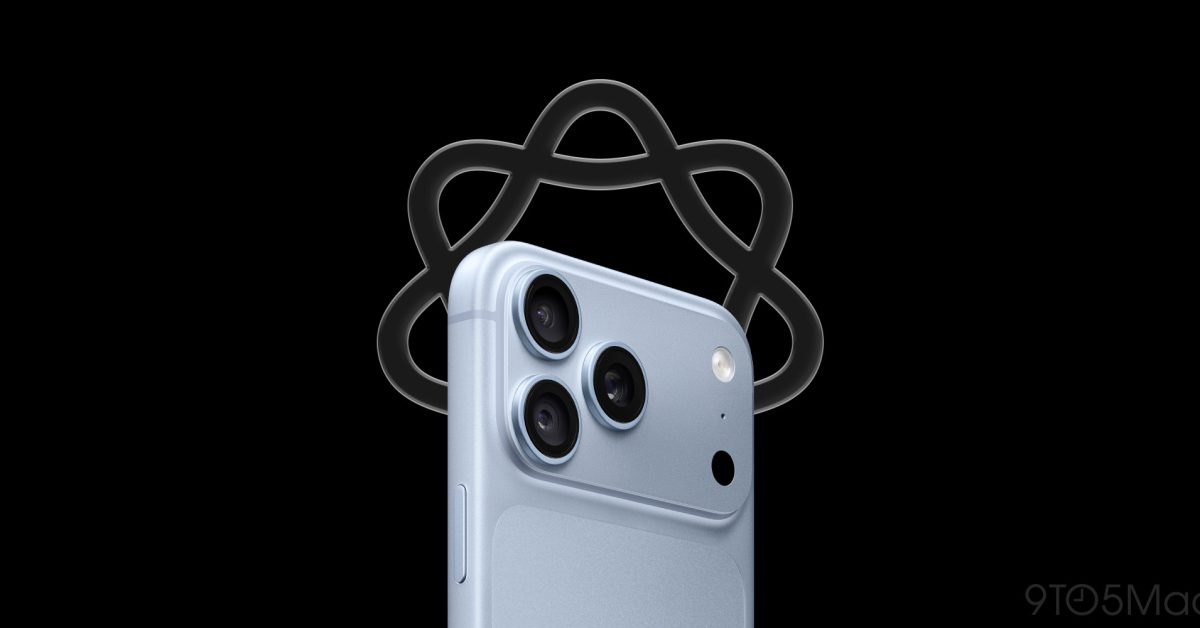
The nearly doubled requirement on certain models suggests those devices are now expected to host larger or additional model files locally — likely to support new capabilities added in iOS 27 or to reduce reliance on server calls. Apple has not published a detailed breakdown of which specific models ship to which devices, but the storage requirement itself functions as an indirect indicator of on-device model complexity.
Advertisement
Tech Pulse Daily
Get tomorrow's pulse first
Join engineers who read Tech Pulse before stand-up. Free, weekday mornings.
Apple Intelligence now requires almost double: why it matters now
Storage has become a genuine constraint for iPhone users who bought devices with 64 GB or 128 GB of base storage. A higher Apple Intelligence floor compounds pressure from app libraries, photos, and iOS itself — all of which have grown steadily. For users already running lean on space, the iOS 27 update could silently disable AI features they previously had access to, with no immediate indication of why.
The timing matters because iOS 27 is arriving as Apple Intelligence reaches a wider global rollout. Users who upgraded specifically to access expanded AI features may find those features unavailable until they free up storage, creating friction at exactly the moment Apple is pushing Apple Intelligence as a primary reason to stay current on iOS.
Apple Intelligence now requires almost double: who is affected
The higher storage requirement applies to certain iPhone models — not the entire Apple Intelligence-compatible lineup. Many devices retain their previous storage threshold unchanged. The distinction appears to follow hardware lines rather than software region settings, meaning two users on the same iOS 27 version could face different requirements depending on which iPhone they own.
Users most at risk are those on storage-constrained devices who have filled the majority of their capacity with media, offline apps, or downloaded content. Anyone who previously had Apple Intelligence enabled and is now missing it after the iOS 27 update should check Settings under the Apple Intelligence section, where iOS surfaces storage-related availability warnings. Offloading unused apps or moving photos to iCloud are the primary remediation paths Apple surfaces.
Apple Intelligence now requires almost double: what to watch
Apple has not confirmed whether the higher requirement on affected models is permanent or whether future updates could optimize model storage to bring the threshold back down. On-device model compression is an active area of development across the industry, and Apple has previously shipped efficiency improvements that reduced the footprint of existing features. Whether iOS 27.x updates follow that pattern is worth monitoring.
For developers, the practical question is whether users they are targeting will have Apple Intelligence active at all. Apps that surface Apple Intelligence integrations — Writing Tools hooks, image playground APIs, or Siri intent handling — should account for the possibility that a meaningful share of eligible-hardware users will have the features suspended due to storage. Testing on constrained-storage devices, not just clean installations, should be part of any iOS 27 compatibility pass.
Developer Action Items
- ☐ Diff the official changelog for Apple / iOS before you bump — APIs, defaults, and removed flags only.
- ☐ Install through the vendor's documented channel in staging; keep a one-command rollback and time-box the canary.
- ☐ Grep your repo for old flag names, lockfile pins, and plugin versions that the notes mark as breaking.
- ☐ Prefer the first patch cut over the day-zero tag unless you have a reason to be on the leading edge.
- ☐ If 9to5Mac did not name a region, plan, or SKU, screenshot the official availability line before you promise it to users.

Author
Dillip Chowdary
Writes Tech Bytes coverage of AI, engineering, and the tools that actually ship. Editor of Tech Pulse Daily.
Related on Tech Bytes
Claude Opus 5.5 vs. GPT-6 Sol: Cost per correct task, not price per token
Read →
Critical WordPress Vulnerability Exploited Immediately After Disclosure
Read →
FBI investigating hacking group's claim of breach of agent info
Read →
Let GPT-6 Astra code without using Codex Usage
Read →
Today's Tech Pulse briefing
Full briefing →
Advertisement