Apple Music Classical gets new black-and-white icon in latest update
Apple updated Apple Music Classical with a black-and-white 3D icon and blue interface accents, matching its $11.99 monthly streaming service redesign.
By Dillip Chowdary • Nov 07, 2026 • Source: 9to5Mac
Apple updated its standalone Apple Music Classical app on November 6, 2026, introducing a redesigned monochrome icon alongside refreshed interface accents. The visual overhaul aligns the dedicated classical music catalog directly with the primary Apple Music platform identity, according to 9to5Mac's report by journalist Marcus Mendes. The update removes the longstanding red presence across both the home screen icon and in-app buttons, replacing legacy branding with stark black, white, and standard system blue across the interface.
This breakdown examines every aesthetic and functional change in the latest release, from icon rendering techniques to platform subscription requirements. Designed for active Apple Music subscribers and classical listeners, this guide explains how the visual identity harmonizes across streaming services. Readers will learn the precise interface alterations, how the new layout behaves during daily navigation, the pricing structure governing access, and what these updates signal regarding Apple's broader software design roadmap.
Apple Music Classical gets new: what actually changed
The most immediate modification in this release centers on the application icon on device home screens. Apple shifted the background and emblem color scheme from its traditional palette to a stark black-and-white presentation. The familiar G-clef musical notation symbol remains at the center of the design, but it now appears as a solid black glyph resting against a white background. This change directly mirrors the recent redesign of the flagship Apple Music launcher, which replaced the white note on red with monochrome framing.
Beyond the home screen graphic, the software update applied targeted visual adjustments across the internal navigation environment. Within the application, historical red accent colors previously assigned to interactive buttons and highlighted controls were stripped out and replaced with a distinct shade of blue. This blue hue corresponds directly with the default interactive color palette Apple deploys across its core first-party operating system applications. Consequently, menus and buttons present a unified look that matches system utilities while abandoning the specialized crimson styling that previously differentiated the software.
Apple Music Classical gets new: how it works
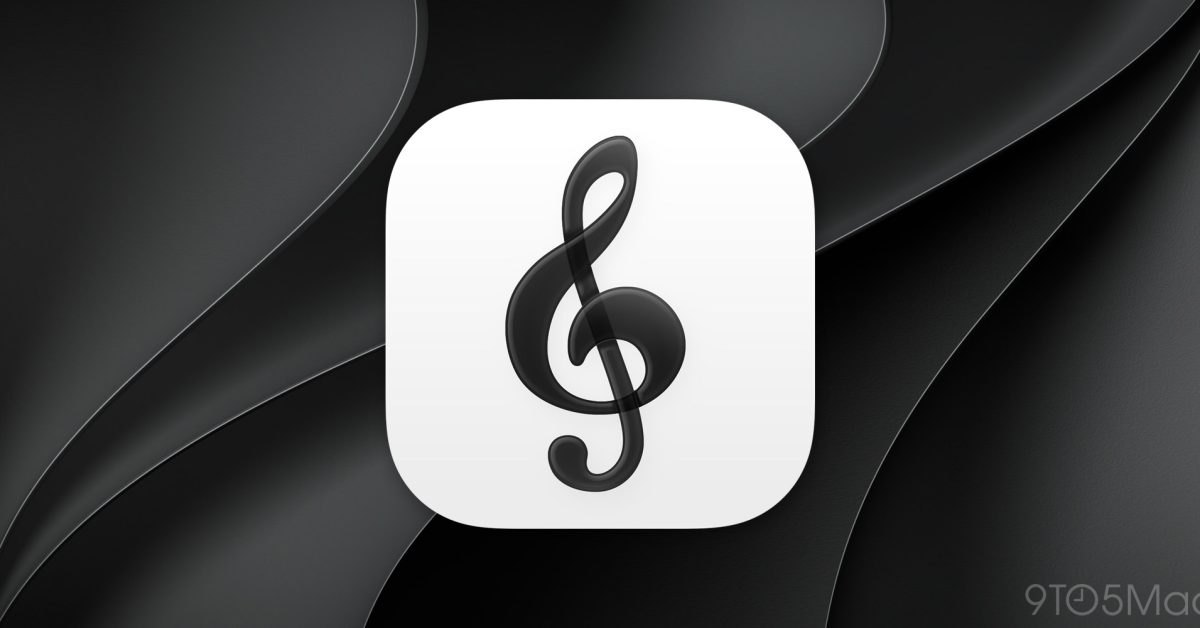
The visual rendering technique behind the new icon sets Apple Music Classical apart from its main streaming counterpart. While the regular Apple Music launcher uses a completely flat two-dimensional aesthetic, the classical variant deliberately preserves physical dimensionality. The rendering pipeline incorporates subtle lighting sources, refined surface shading, and intentional transparency layers that give the central G-clef emblem tangible physical presence and depth. This layered treatment allows the icon to stand out against modern display panels, maintaining tactile character without relying on bold colors across home screen grids.
Under the surface, the core architecture and catalog navigation mechanisms remain tied to the dedicated streaming infrastructure. Subscribers launch the application to browse specialized classical metadata, movements, conductors, and composer catalogs while the updated blue interactive controls direct audio routing and playlist management. Interactive targets, selection states, and volume indicators reflect the refreshed system blue tone, ensuring touch inputs deliver immediate visual confirmation. The underlying streaming engine continues delivering classical recordings without altering library synchronization, audio codecs, or personal metadata configurations stored across connected iCloud accounts.
Advertisement
Tech Pulse Daily
Get tomorrow's pulse first
Join engineers who read Tech Pulse before stand-up. Free, weekday mornings.
Apple Music Classical gets new: why it matters
This coordinated aesthetic shift provides clear answers regarding Apple's corporate design trajectory for its digital entertainment software. Just weeks before this rollout, Apple revealed an elaborate branding campaign for Apple Music that showcased kinetic visuals generated by using sound waves to disturb physical water. That dynamic campaign led observers to speculate that a colorful fluid icon would replace the stark monochrome emblem across consumer devices. Bringing Apple Music Classical into the black-and-white family demonstrates that monochrome styling represents a permanent standard rather than a temporary promotional placeholder.
Standardizing these visual cues across separate clients solidifies cohesive branding across the wider Apple media portfolio. Prior to this patch, the presence of discordant red icons, divergent button highlights, and conflicting emblem styles caused subtle visual fragmentation between mainstream streaming and classical libraries. By shifting internal accents to default system blue, Apple tightens functional consistency between its dedicated specialized applications and primary operating system tools. This deliberate cohesion prevents user disorientation, establishing uniform visual feedback across distinct application categories while reinforcing Apple's disciplined software design language.
Apple Music Classical gets new: who is affected
The update immediately impacts existing listeners and prospective subscribers seeking access to Apple's classical streaming repository. Access to Apple Music Classical is not offered as a standalone purchase; listeners must maintain an active Apple Music subscription. An individual membership costs $11.99 per month and includes an introductory one-month free trial window for eligible incoming customers. Alternatively, the catalog is bundled into the Apple One subscription tier, which combines cloud storage, audio streaming, and related digital services into a unified recurring monthly billing transaction for consumer accounts.
Listeners who rely on red visual indicators inside the interface will notice an immediate shift during daily listening sessions. Playback buttons, library management tools, and navigation highlights now display standard Apple system blue, requiring an initial visual adjustment for longtime users accustomed to crimson controls. However, subscribers will not encounter changes to their billing cycles, existing classical playlists, saved recordings, or account entitlements. Listeners across compatible hardware ecosystems receive the updated visual presentation seamlessly once the local application binary is updated through standard digital distribution channels.
Apple Music Classical gets new: what to watch
Industry analysts and daily listeners should monitor how Apple handles interface language across its remaining media properties in future releases. With both Apple Music and Apple Music Classical converted to black-and-white home screen artwork, observation centers on whether companion services like Apple Podcasts or Apple TV adopt similar monochrome styling. Furthermore, the persistent preservation of three-dimensional depth, subtle lighting, and soft transparency on the classical emblem provides a noteworthy design contrast against flat iconography. Observers will track whether Apple applies this depth styling to future operating system updates.
Listeners should also watch for ongoing marketing materials and digital assets distributed across Apple's digital platforms following this unified release. Although the vibrant sound-wave fluid campaign showed how audio frequencies manipulate water droplets, Apple clearly prioritized clean, high-contrast monochrome presentation for operational application launchers. Future promotional campaigns and software documentation will demonstrate whether Apple maintains this dual strategy of pairing vibrant external video marketing with disciplined monochrome icons on user devices. Tracking upcoming application revisions will reveal whether additional customization features or alternate icon options emerge.
Developer Action Items
- ☐ Verify the claim on the official Apple page (or 9to5Mac), not from this recap alone.
- ☐ Name the surface that moved — API, policy, model, hardware, or commercial terms — before you Slack the thread.
- ☐ Assign one owner a day to read the primary material and decide: this-sprint, this-quarter, or noise.
- ☐ Do not change production on day-one coverage. Watch the vendor changelog and one independent write-up first.
Apple Music Classical gets new FAQ
What changed in the latest Apple Music Classical update?
Apple updated the Apple Music Classical icon to a black G-clef symbol on a white background and replaced in-app red button accents with default system blue.
How does the Apple Music Classical icon differ from the standard Apple Music icon?
Unlike the flat two-dimensional Apple Music icon, the Apple Music Classical icon retains a three-dimensional design with subtle lighting, shading, and transparency that provide visual depth.
How much does Apple Music Classical cost to use?
The service requires an active Apple Music subscription, which costs $11.99 per month with a one-month free trial, or access through an Apple One bundle.
Did Apple adopt the colorful sound wave water design for its app icons?
No, while Apple ran a colorful branding campaign featuring sound waves moving water, the company chose to retain the black-and-white monochrome design across its music application icons.
Sources

Author
Dillip Chowdary
Writes Tech Bytes coverage of AI, engineering, and the tools that actually ship. Editor of Tech Pulse Daily.
Related on Tech Bytes
Advertisement