Apps for Caregivers Get a Dose of AI, but That Might Not Be Enough
Caregiver apps are adding AI assistants like Citizen Health's Ari to parse medical records as 63 million Americans spend up to 27 hours weekly providing care.
By Dillip Chowdary • Nov 07, 2026 • Source: Wired
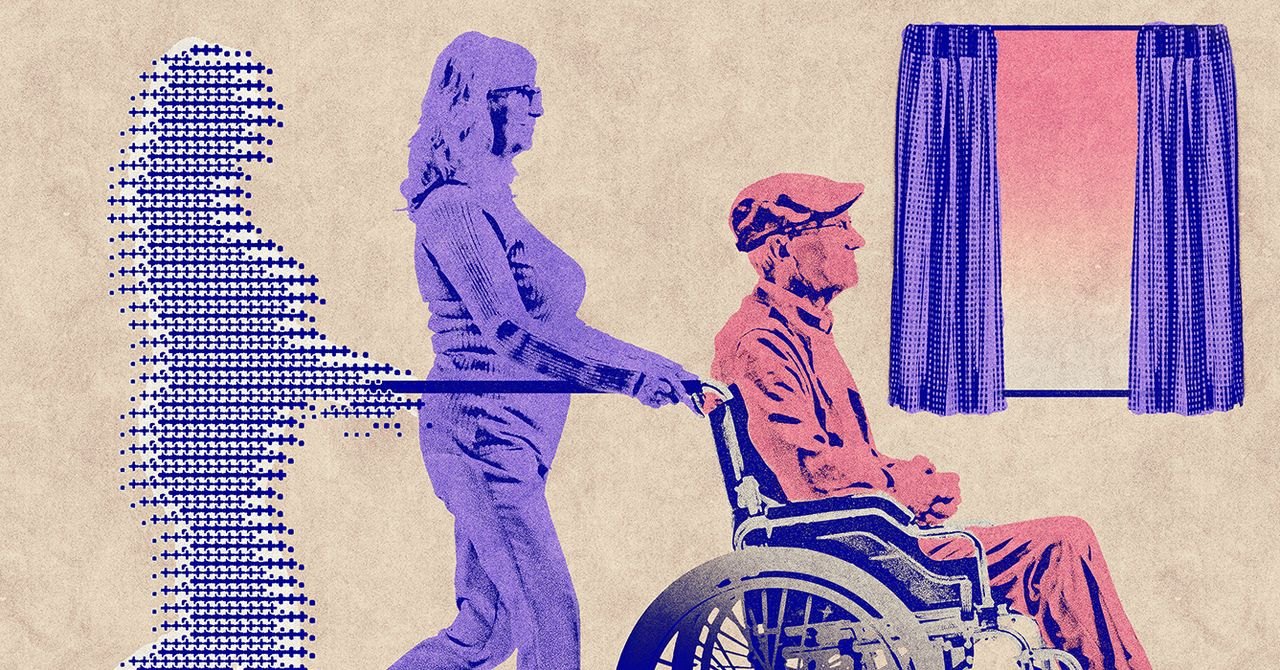
Caregiver mobile and web applications are incorporating artificial intelligence to parse health records, monitor daily routines, and draft questions for medical visits, according to Wired's report on how developers are trying to ease the administrative burden on families. Companies such as Citizen Health and Caring Village have added automated assistants to coordinate complex schedules, while builders like Bret Koncak and Brett Rowell are engineering focused handoff tools to bridge communication gaps between partners. These systems arrive as millions of households handle round-the-clock therapies, doctor appointments, and insurance claims entirely on their own.
This report covers the current generation of caregiving applications, their technical capabilities, regulatory gaps, and privacy limitations. It is intended for family caregivers, developers building assistive digital health tools, and clinicians tracking patient communication outside traditional medical facilities. As software platforms expand from passive medication logs into active digital assistants, understanding their legal boundaries and data requirements is critical for households evaluating whether digital tools can realistically reduce their daily care workload.
Apps for Caregivers Get a Dose of AI: what actually changed
Caregiving software has progressed from basic reminder utilities into interactive platforms that synthesize unstructured health records. Early tools in the category established core baseline functions: Medisafe arrived in 2013 to track medications, notify contacts when a dose is missed, record appointment logs, and check multi-drug interaction safety. Caring Village followed in 2015, combining appointment calendars and to-do lists with a wellness journal where families log symptoms, upload photographs, assign tasks, and query an automated assistant named Julia for caregiving advice.
Recent entrants are shifting toward automated document summarization and record synthesis. Citizen Health, founded in 2024 by Nasha Fitter and Farid Vij, gathers patient medical records into a portal, deidentifies and harmonizes the data with consent, and shares findings back with patients while supporting research with advocacy groups. Six months ago, Citizen Health introduced Ari, an artificial intelligence teammate in beta that interacts through text messages. Ari connects to medical records, patient portals, and Google Calendar schedules to track surgeries, analyze routine patterns, summarize clinical history, and help families navigate government and insurance benefits.
Apps for Caregivers Get a Dose of AI: how it works
The underlying software pipelines rely on user-submitted logs, portal syncs, and language models to organize fragmented care details. Within Citizen Health, records collected across multiple providers are converted into unified disease profiles. Its assistant Ari analyzes scheduling entries alongside patient portals to detect subtle behavioural patterns, such as shifts in when medications are taken throughout the day and how those deviations influence reported symptoms. Ahead of clinic appointments, Ari digests past treatment notes to generate focused reference summaries and targeted questions for physicians.
Other platforms emphasize rapid handoffs between domestic partners and clinical teams. Bret Koncak cocreated Mejo in 2022 to distill an individual’s medical background into a shareable one-page briefing. Mejo offers a premium subscription for $6 a month or $60 a year that unlocks daily journaling to keep distributed family members aligned without constant verbal debriefs, with Koncak exploring automated prompt generation for upcoming appointments. Meanwhile, Brett Rowell is testing Briggzy, a platform scheduled for broader public release in 2027 designed to store clinic questionnaire responses so working parents can seamlessly alternate attending specialist visits.
Advertisement
Tech Pulse Daily
Get tomorrow's pulse first
Join engineers who read Tech Pulse before stand-up. Free, weekday mornings.
Apps for Caregivers Get a Dose of AI: why it matters
The expansion of assistive software coincides with an escalating caregiving crisis across the United States. Data from AARP indicates that in 2025, approximately 63 million Americans provided care for adults or children living with medical conditions or disabilities, dedicating an average of up to 27 hours each week to these duties. Managing complex care schedules alongside full-time employment and household responsibilities frequently leads to chronic isolation, physical health decline, and severe financial strain for family members.
Digital assistants offer immediate utility by taking over repetitive administrative chores, such as preparing for clinical consults and organizing discharge instructions. However, Harvard Law School bioethics and health law professor I. Glenn Cohen emphasizes that these platforms generally operate outside the scope of certified medical devices. Because the Food and Drug Administration has not evaluated their safety or diagnostic efficacy, users must evaluate provider claims independently. Furthermore, Cohen notes that data uploaded by home users is not protected by federal HIPAA regulations, leaving privacy dependent on vendor contracts that often contain liability disclaimers.
Apps for Caregivers Get a Dose of AI: who is affected
The rollout directly influences home caregivers who manage full-time regimens for family members with complex medical needs. Founders in this sector frequently design tools around their own households: Koncak built Mejo based on raising two sons with complex conditions, while Rowell designed Briggzy around the therapy schedule of his son Briggs, who has cerebral palsy. Similarly, Fitter cofounded Citizen Health after navigating rare disease care for her daughter. While Citizen Health currently limits Ari to rare disease patients, the company plans to broaden access to general patient communities.
Despite software advancements, caregivers themselves face the burden of feeding data into these interfaces. Denise M. Brown, founder of the Caregiving Years Training Academy, points out that digital tools routinely struggle with retention because logging care plans, tasks, and schedules requires substantial manual labor. Because hospital discharge planners, visiting nurses, therapists, and physicians do not enter updates directly into third-party consumer apps, the data entry falls squarely on family members who are already exhausted, creating maintenance fatigue that leads many users to abandon platforms over time.
Apps for Caregivers Get a Dose of AI: what to watch
Industry observers are monitoring whether developers can successfully automate inbound data ingestion to eliminate manual entry. As tools like Ari expand from rare disease cohorts to general chronic illness, integrations with patient portals and calendar providers will determine whether software can surface meaningful schedule correlations without constant user prompting. Future iterations of Mejo also plan to incorporate automated features that generate visit-specific medical questions, shifting caregiver effort away from typing raw text toward reviewing pre-compiled summaries.
Broader systemic relief will require coordination beyond independent software applications. Nicole Howell, director of direct care workforce development at the National Council on Aging, notes that while technology can streamline care coordination and reduce household stress, software alone cannot resolve the structural pressures facing caregivers. Industry leaders emphasize that sustainable solutions require joint action across public agencies, healthcare institutions, and private developers to construct integrated support systems rather than leaving families to manage fragmented commercial applications on their own.
Developer Action Items
- ☐ Verify the claim on the official Google page (or Wired), not from this recap alone.
- ☐ Name the surface that moved — API, policy, model, hardware, or commercial terms — before you Slack the thread.
- ☐ Assign one owner a day to read the primary material and decide: this-sprint, this-quarter, or noise.
- ☐ Do not change production on day-one coverage. Watch the vendor changelog and one independent write-up first.
Apps for Caregivers Get a Dose of AI FAQ
What is Ari and how does it help family caregivers?
Ari is a text-based artificial intelligence assistant in beta from Citizen Health that links with medical records, patient portals, and Google Calendar events. It monitors medication routines, summarizes health history, generates targeted questions for doctor visits, and assists with insurance and government benefit forms.
Are caregiver apps covered by federal HIPAA privacy laws?
No, health data entered into these consumer applications by individuals at home is not protected by federal HIPAA statutes because the information is not provided by a covered healthcare entity. Users must rely on individual company terms of service, which typically include provisions that limit company liability.
How much do caregiver platforms like Mejo cost?
Mejo provides a premium tier priced at $6 per month or $60 per year, which gives users access to shared daily journaling tools so multiple caregivers can stay updated without verbal briefings.
Sources

Author
Dillip Chowdary
Writes Tech Bytes coverage of AI, engineering, and the tools that actually ship. Editor of Tech Pulse Daily.
Related on Tech Bytes
Advertisement