Aug 14, 2026 Announcements How Claude’s text watermark works
Anthropic Newsroom: Aug 14, 2026 Announcements How Claude’s text watermark works Coverage based on Anthropic Newsroom reporting.
By Dillip Chowdary • Aug 24, 2026 • Source: Anthropic Newsroom
What happened
Anthropic published a post on August 14, 2026 explaining how Claude embeds watermarks into the text it generates. The company is joining a growing push across the AI industry to make machine-generated content traceable, and this marks one of the first times Anthropic has described its own approach in detail for a public audience.
This piece walks through what the announcement covered, how the underlying mechanism works at a high level, which developers and organizations are most immediately affected, and what questions remain open for anyone building on top of Claude today. It is aimed at engineers, product teams, and policy-minded readers who want to understand the practical implications rather than just the headline.
On August 14, 2026, Anthropic published a piece on the Anthropic Newsroom titled "How Claude's text watermark works." The post is framed as an explanatory piece — Anthropic is not announcing a new product launch but rather opening the hood on a capability that exists within Claude and describing the method behind it. The publication date places this in the same period when regulatory pressure around AI content provenance has been intensifying, and Anthropic appears to be getting ahead of questions from enterprise customers and policymakers about how its outputs can be identified.
How it works
The newsroom framing signals that this is intended for a broad audience, not just technical staff. Anthropic is treating watermarking as a story worth telling publicly, which itself reflects how central content authenticity has become to how frontier AI labs position their systems.
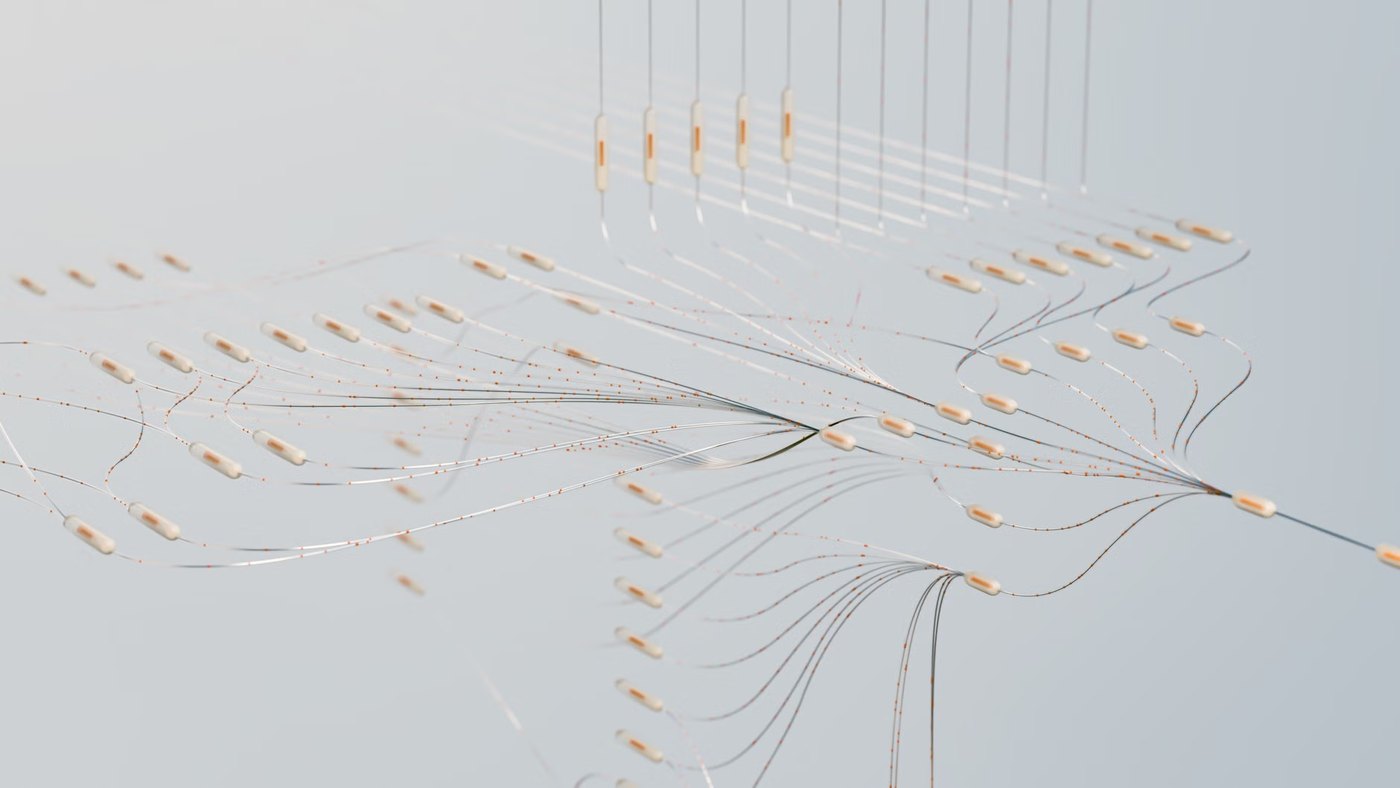
Text watermarking in language models works by subtly shaping token selection during generation in ways that are statistically detectable but imperceptible to a human reader. Rather than choosing between equally probable next words at random, the model follows a keyed pattern — typically a cryptographic scheme — that biases choices in a structured way. A detector holding the same key can then score a passage and determine with high confidence whether it was produced under that scheme.
Why it matters
Advertisement
Tech Pulse Daily
Get tomorrow's pulse first
Join engineers who read Tech Pulse before stand-up. Free, weekday mornings.
Anthropic's post describes Claude using this kind of approach. The key insight is that the watermark survives because natural language has enough synonym-level flexibility that a model can steer toward marked tokens without changing meaning or fluency. This is distinct from metadata-based provenance systems, which are trivially stripped, because the signal is woven into word choice itself.
Developers building applications where Claude generates content that will be published, submitted, or distributed should understand this feature immediately. Academic platforms, content moderation pipelines, and any service where users might pass Claude-generated text off as their own work are the primary operational contexts where watermark detection becomes a meaningful tool. Enterprises with compliance requirements around AI disclosure policies should assess whether Claude's watermarking aligns with what their legal or governance teams expect.
Publishers and platforms that ingest third-party text at scale also have a direct stake. If Anthropic provides or plans to provide a detection API alongside the watermarking scheme, that changes the risk calculus for any operator who currently has no programmatic way to flag AI-generated submissions.
Who is affected
The announcement does not specify a separate opt-in toggle or API parameter for enabling the watermark, which suggests it is applied at the model level rather than exposed as a configurable option for API callers. Developers using Claude through the Anthropic API should treat watermarking as present by default unless documentation states otherwise. The newsroom post is the primary public reference; Anthropic's API documentation and usage policies are the right places to check for any controls or disclosures related to how the feature behaves in production.
Anyone who wants to verify the behavior in a specific deployment context should contact Anthropic directly or review any technical documentation released alongside the newsroom post. The announcement on August 14, 2026 is the starting point, and follow-on technical guidance may appear in Anthropic's developer resources.
What to watch next
The open question is whether Anthropic will release a public detection endpoint or SDK that lets third parties verify Claude watermarks without holding a private key. Detection utility is limited if only Anthropic can run the check. A public or semi-public verification mechanism — perhaps credentialed for certain enterprise or research use cases — would dramatically change how content authenticity infrastructure gets built around Claude.
A second thread to follow is interoperability. If other frontier labs adopt incompatible watermarking schemes, platforms will face a fragmented detection landscape. Coalitions like the Coalition for Content Provenance and Authenticity are working on common standards, and whether Anthropic's scheme aligns with or feeds into those efforts will determine how broadly usable this capability becomes. The August 14 post is a disclosure; the implementation details and ecosystem agreements that follow will determine its real-world weight.
Developer Action Items
- ☐ Verify the claim on the official Anthropic / Claude page (or Anthropic Newsroom), not from this recap alone.
- ☐ Name the surface that moved — API, policy, model, hardware, or commercial terms — before you Slack the thread.
- ☐ Assign one owner a day to read the primary material and decide: this-sprint, this-quarter, or noise.
- ☐ Do not change production on day-one coverage. Watch the vendor changelog and one independent write-up first.
Advertisement
🔎 More interesting news
- Anthropic Expands Mythos 5 Access to More Defenders, Unveils $35M Open Source Fund
- IBM’s next-gen mainframe chip is the first to run Arm and Z workloads on the same cores
- Cloudflare OS: Cloudflare's Open-Source Corporate AI Platform Built on a Capability-Based…
- 91 Vulnerabilities Patched in Spring Application Framework
- Today's full Tech Pulse briefing →