IBM’s next-gen mainframe chip is the first to run Arm and Z workloads
IBM is announcing today at the annual Hot Chips conference what may be the most consequential change to mainframe architecture in decades: a processor whose.
By Dillip Chowdary • Aug 24, 2026 • Source: VentureBeat
What happened
IBM announced today at the Hot Chips conference a processor whose cores can natively execute both IBM's own Z instruction set and Arm's instruction set — switching between the two in nanoseconds. It is a fundamental departure from how mainframe chips have worked for decades, and it positions IBM Z for a world where enterprises run mixed workloads that span legacy transactional systems and modern cloud-native software.
This article breaks down the architectural shift, explains what the dual-ISA design actually means in practice, and lays out which developers, architects, and enterprise teams should be paying attention and what to verify before making any decisions based on this announcement.
IBM revealed the processor at Hot Chips, the annual conference where chip designers present microarchitecture details to a technical audience. The core claim is that the chip powering the next generation of IBM Z mainframes can natively execute both IBM's Z instruction set and Arm's instruction set on the same physical cores, with context switching between the two happening in nanoseconds. IBM is framing this as one of the most consequential changes to mainframe architecture in decades, and the Hot Chips venue — chosen for its technical audience rather than a marketing event — signals that the company wants the silicon details scrutinized.
How it works
The announcement is notable precisely because it was made at a conference built around microarchitecture disclosure. IBM did not hold a press event or bundle this into a product launch keynote. Presenting at Hot Chips means IBM is ready to discuss the actual mechanism, not just the headline, and that the chip is far enough along in development that specific design decisions can be shared publicly without competitive risk.
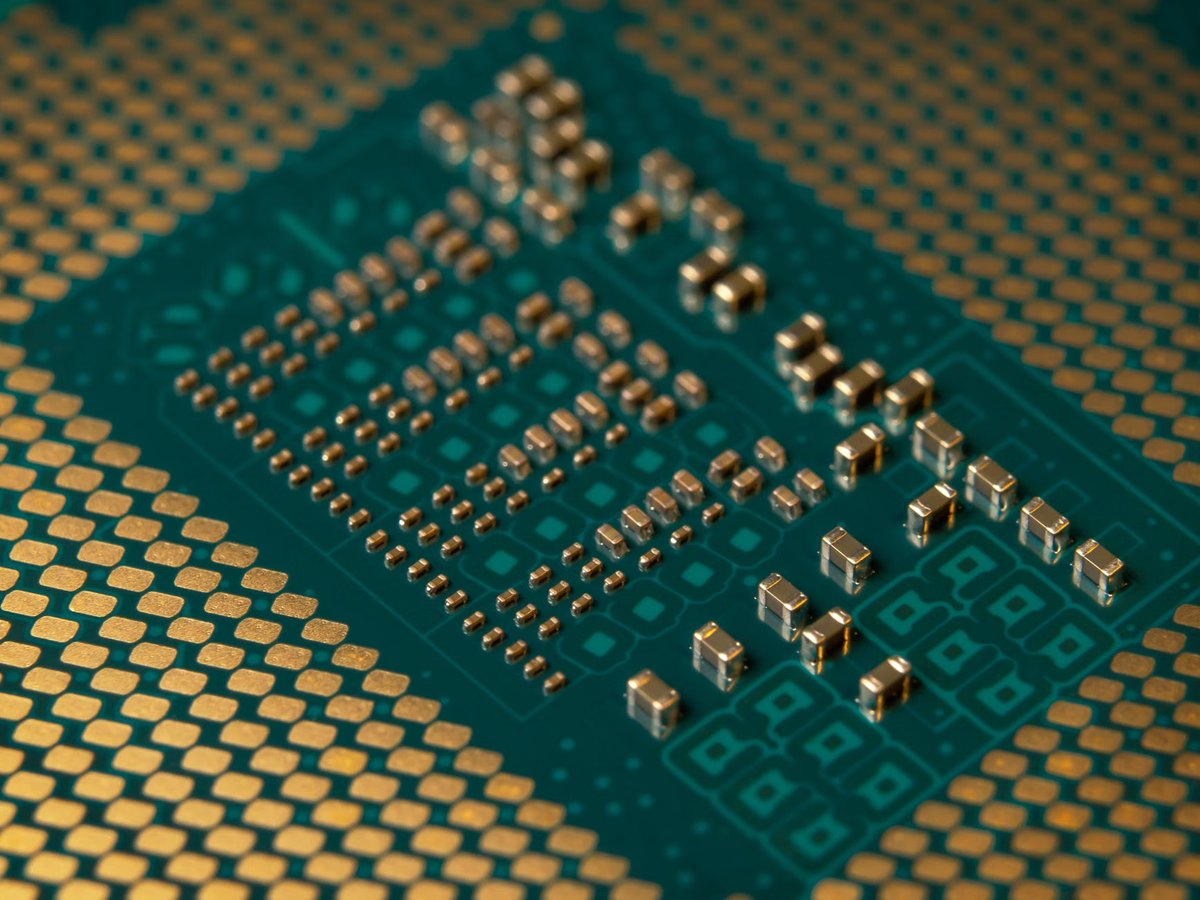
Previous IBM Z processors executed Z instruction set architecture workloads exclusively. Any Arm or x86 workload running on a mainframe required software emulation, a virtual machine with a compatibility layer, or a separate processor. The new chip eliminates that boundary at the core level. Because both ISAs are handled natively in hardware, there is no emulation penalty and no dedicated Arm coprocessor drawing separate power and board space.
Why it matters
Advertisement
Tech Pulse Daily
Get tomorrow's pulse first
Join engineers who read Tech Pulse before stand-up. Free, weekday mornings.
The nanosecond switching figure is significant for latency-sensitive workloads. A transaction that touches a Z-native database record and then calls an Arm-compiled microservice no longer has to cross a hardware boundary, wait for an emulation layer to translate instructions, or pay the overhead of an inter-processor memory handoff. The entire execution path stays on the same silicon. That is the architectural change: not just support for Arm, but coherent, low-latency dual-ISA execution on a single core.
Enterprise architects running hybrid workloads on IBM Z are the primary audience. If your environment mixes COBOL or PL/I transaction processing with containerized workloads compiled for Arm — a combination that has become increasingly common as teams modernize incrementally — this chip removes the hardware compromise you previously had to make. You no longer need to route Arm workloads off the mainframe to a separate cluster or accept emulation overhead on-box.
Software teams maintaining Arm-native libraries or services that need to interact tightly with Z-resident data should also take note. The nanosecond switching latency changes the feasibility calculation for keeping those services on the same machine as the data they consume. Security and compliance teams at organizations where data gravity and auditability requirements push workloads toward mainframes now have a credible path to running modern Arm-compiled toolchains without moving sensitive data off-platform.
Who is affected
IBM confirmed the chip will power the next generation of IBM Z. No specific product name, ship date, or pricing has been disclosed at this stage. The announcement at Hot Chips is a chip-level disclosure, not a product launch, so availability timelines and procurement details belong to a future announcement. IBM has not indicated a beta or early access program at this time.
If you want to evaluate the technology today, the practical step is to engage IBM's enterprise sales or technical pre-sales teams and ask specifically about next-generation Z roadmap access. Organizations that currently run IBM Z under active support contracts often gain early architectural briefings before public product announcements. Developers interested in the Arm execution side should begin auditing which of their services are compiled for Arm and which dependencies assume Z-native execution, so they are positioned to test quickly once hardware is accessible.
What to watch next
The key technical disclosure still outstanding is how the core manages ISA state isolation — specifically, what the security boundary looks like between a Z-mode and an Arm-mode execution context on the same core. In a mainframe environment handling regulated financial or healthcare transactions, any ambiguity about whether an Arm workload can observe Z-mode memory state will be a blocker for adoption regardless of performance characteristics. IBM will need to address this explicitly.
Watch for the official IBM Z product announcement that will follow this chip disclosure. That announcement should carry the details that Hot Chips did not: product name, general availability date, supported operating environments, and Arm workload compatibility guarantees. If IBM publishes a more detailed Hot Chips paper or conference proceedings entry, that document will be the best source for the microarchitecture specifics that were presented to the technical audience at the conference itself.
Developer Action Items
- ☐ Verify the claim on the official IBM page (or VentureBeat), not from this recap alone.
- ☐ Name the surface that moved — API, policy, model, hardware, or commercial terms — before you Slack the thread.
- ☐ Assign one owner a day to read the primary material and decide: this-sprint, this-quarter, or noise.
- ☐ Do not change production on day-one coverage. Watch the vendor changelog and one independent write-up first.
Advertisement
🔎 More interesting news
- Anthropic Expands Mythos 5 Access to More Defenders, Unveils $35M Open Source Fund
- Cloudflare OS: Cloudflare's Open-Source Corporate AI Platform Built on a Capability-Based…
- 91 Vulnerabilities Patched in Spring Application Framework
- Aug 14, 2026 Announcements How Claude’s text watermark works
- Today's full Tech Pulse briefing →