Chromagraph Camera is exactly the camera app I’ve been looking
Movie director Rian Johnson launched Chromagraph Camera, a $12.99 iPhone app designed to replace overprocessed smartphone defaults with a subtle film look.
By Dillip Chowdary • Nov 07, 2026 • Source: 9to5Mac
Movie director Rian Johnson launched Chromagraph Camera, an iPhone photography application built to replace Apple’s default image processing with a balanced film aesthetic. Priced at $12.99, the software targets mobile users seeking natural textures without manual camera adjustments, as covered in 9to5Mac's report. The utility addresses ongoing complaints regarding aggressive digital sharpening across recent Apple hardware.
This article examines how the application operates, how it compares to native camera options and rival software, and who benefits most from its features. Designed for mobile photographers wanting a fast point-and-shoot experience, this report details the pricing, technical trade-offs, and hardware performance across modern devices.
Chromagraph Camera is exactly the camera app: the announcement
Director Rian Johnson announced Chromagraph Camera in late October 2026, introducing a dedicated iPhone camera application engineered to rethink smartphone image rendering. The software targets a widespread frustration among mobile photographers who find Apple’s default image processing overly sharpened and unnatural. Although Apple introduced a native film texture setting on iPhone 18 Pro and iPhone Duo, many users felt the integrated effect appeared heavy and exaggerated in everyday shooting conditions. Johnson’s alternative focuses on providing a subtle, restrained visual profile directly through the primary capture interface.
The release arrived as a surprise paid utility in the App Store carrying an upfront price tag of $12.99. Rather than adopting monthly subscriptions, Johnson structured the product as a straightforward purchase that functions immediately upon download. Early feedback from testers, including photographer Michael Burkhardt who published sample images on October 29, 2026, confirmed that the software delivers pleasing results without requiring complex setup menus. The launch demonstrates that an independent, creator-driven camera utility can establish traction by prioritizing subtle aesthetic choices over synthetic sharpness.
What actually changed with Chromagraph Camera is exactly the camera app
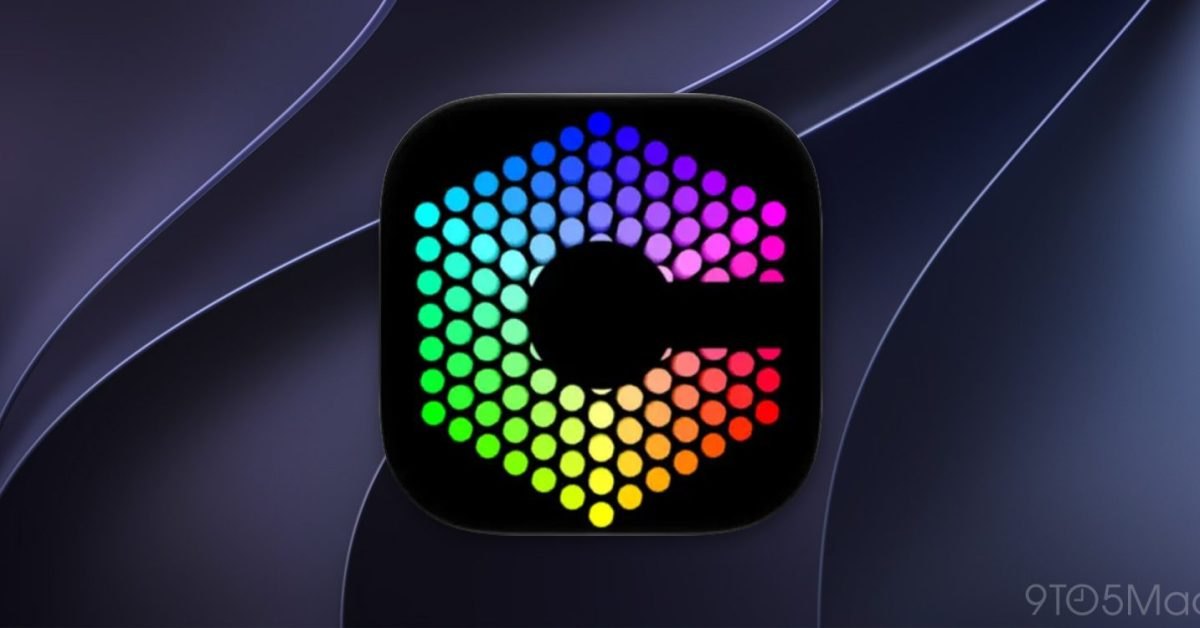
The fundamental change delivered by Chromagraph Camera is an authentic point-and-shoot experience that bypasses Apple’s default image processing pipeline. While iPhone hardware is capable of capturing excellent detail when shooting in RAW and editing by hand, Apple’s native camera application relies on poor out-of-the-box defaults. Most third-party alternatives attempt to remedy this by requiring photographers to dial in manual exposure, shutter, and ISO settings. Chromagraph Camera eliminates those adjustments, providing users with a fast shooting tool that generates balanced pictures straight from the shutter button without manual grading.
Advertisement
Tech Pulse Daily
Get tomorrow's pulse first
Join engineers who read Tech Pulse before stand-up. Free, weekday mornings.
The app also resolves common technical inconveniences found in competing photography tools like Adobe’s Project Indigo. Although Project Indigo approached an attractive film look, its heavy post-processing caused notable rendering delays after taking pictures. In several instances, users suffered lost photographs when the application closed unexpectedly in the background while still processing high-resolution assets. Chromagraph Camera removes this processing friction, enabling immediate image saving that prevents data loss during background multitasking. This stability ensures that users can capture continuous moments without fearing that unfinished renders will disappear from their photo library.
Who should care about Chromagraph Camera is exactly the camera app
Users of modern devices like iPhone 18 Pro and iPhone Duo should pay close attention to this release. Although Apple added native film texture capabilities to these flagship phones, the factory implementation often looks exaggerated, particularly on iPhone Duo hardware. Mobile creators who tested Apple’s built-in film styling but found it too pronounced now have an alternative that feels restrained. The app suits street photographers and casual users who want pleasant analog texture without navigating post-shot rendering queues or dealing with overly heavy computational adjustments applied by the operating system.
How to try Chromagraph Camera is exactly the camera app
Interested users can purchase Chromagraph Camera directly from the Apple App Store for an upfront cost of $12.99. The application does not require an ongoing subscription or in-app unlocks to access its primary features, which sets it apart from recurring service models common across imaging software. Once downloaded onto an iPhone, the utility opens straight into a functional capture screen. There are no complicated configuration steps or setup wizards required before taking a picture, allowing users to start shooting immediately in varied lighting conditions without delay.
To evaluate whether the application fits personal shooting habits, photographers should compare its output side-by-side with Apple’s native camera results. While a $12.99 price represents a higher entry point than many standard App Store utilities, testers note that the smooth point-and-shoot workflow and reliable image processing make the purchase well worth it. Users can test the app against stock iPhone captures and custom-edited RAW files to observe how it handles grain structure and dynamic range, confirming whether the automated profile meets their everyday creative needs.
What to watch after Chromagraph Camera is exactly the camera app
Moving forward, attention turns to how Apple handles user feedback surrounding its default camera processing on future iPhone models. The arrival of film texture settings on iPhone 18 Pro and iPhone Duo revealed that Apple is aware of growing interest in analog-inspired aesthetics. However, because native tools continue to draw criticism for heavy-handed defaults, third-party developers have found a viable opening to serve demanding users. If paid applications like Chromagraph Camera sustain strong interest, Apple may face increased pressure to refine its factory processing algorithms and offer subtler default camera styles.
It will also be important to see how competing photography software developers adjust their technical roadmaps to avoid cumbersome processing lags. Competing projects like Adobe’s Project Indigo proved that photographers appreciate distinctive visual filters, but background crashes and lost files highlight the danger of over-complicated pipelines. Chromagraph Camera shows that preserving image integrity and delivering rapid capture are just as vital as color rendition. Whether Johnson expands the app with optional manual tools or keeps its streamlined point-and-shoot identity intact will determine its long-term place in mobile photography.
Developer Action Items
- ☐ Verify the claim on the official Apple page (or 9to5Mac), not from this recap alone.
- ☐ Name the surface that moved — API, policy, model, hardware, or commercial terms — before you Slack the thread.
- ☐ Assign one owner a day to read the primary material and decide: this-sprint, this-quarter, or noise.
- ☐ Do not change production on day-one coverage. Watch the vendor changelog and one independent write-up first.
Chromagraph Camera is exactly the camera app FAQ
Who created Chromagraph Camera and what does it do?
Movie director Rian Johnson announced Chromagraph Camera for iPhone to reimagines smartphone image processing. The app provides a point-and-shoot camera experience with subtle film-like texture that avoids Apple's overprocessed defaults.
How much does Chromagraph Camera cost on iPhone?
Chromagraph Camera costs $12.99 as an upfront one-time purchase in the App Store. It does not require continuous setting adjustments or in-app subscriptions to shoot photos.
How does Chromagraph Camera compare to Apple's native camera features?
Apple introduced film texture options on iPhone 18 Pro and iPhone Duo, but users found the effect exaggerated, especially on iPhone Duo. Chromagraph Camera delivers a more balanced, subtle film appearance without requiring manual RAW image grading.
Why choose Chromagraph Camera over apps like Adobe's Project Indigo?
Adobe's Project Indigo achieves a similar look but requires heavy post-processing that causes delays and can lead to lost photos if the app closes in the background. Chromagraph Camera eliminates those long waits and handles rendering quickly without lost shots.
Sources

Author
Dillip Chowdary
Writes Tech Bytes coverage of AI, engineering, and the tools that actually ship. Editor of Tech Pulse Daily.
Related on Tech Bytes
Advertisement