From the front row to the hot seat — what the midterms mean for Big Tech
Big Tech firms are pivoting to Democrats after the midterms as a trillion-dollar market drop and state data center fights challenge federal AI rules.
By Dillip Chowdary • Nov 07, 2026 • Source: TechCrunch
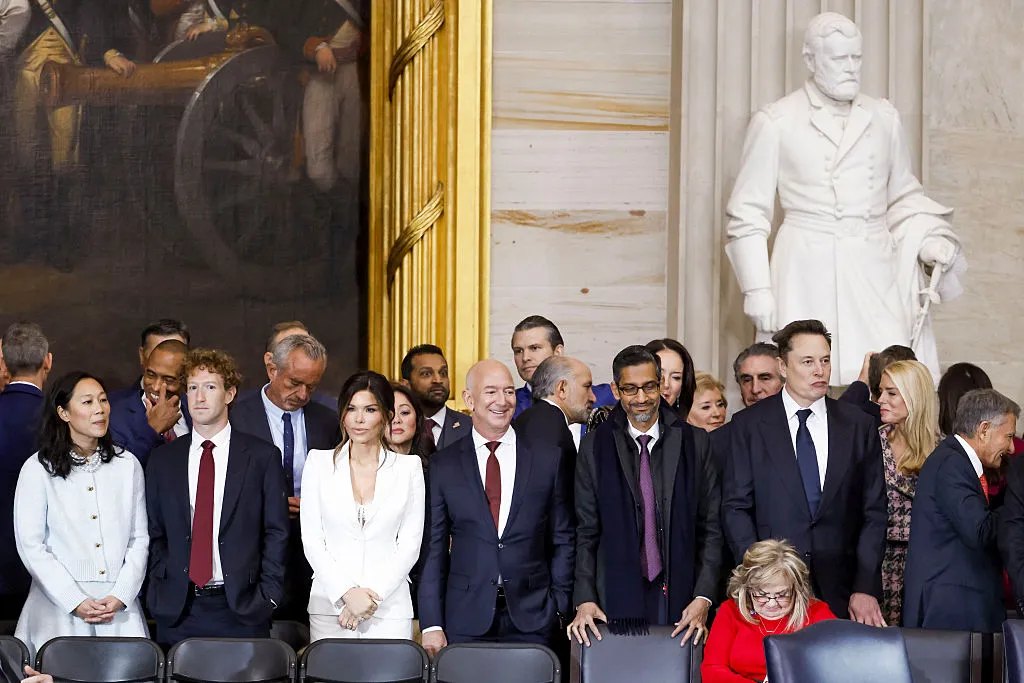
Silicon Valley tech giants are reorienting their political strategies following the midterm elections as shifting congressional power threatens their prior deregulatory standing, according to TechCrunch's report. Companies like OpenAI, Meta, and Anthropic spent two years cultivating direct ties with President Donald Trump and his administration through White House visits, super PAC donations, and rollbacks of diversity programs. In exchange, tech firms benefited from tax breaks, paused federal investigations, and relaxed artificial intelligence oversight. Right before the vote, OpenAI hired Jessica Schumer, the daughter of Democratic Senator Chuck Schumer, and rebranded its data center facilities as compute campuses. Facing a divided capital, these corporate operators are now aggressively attempting to mend fences with Democrats who have pledged stricter oversight.
This analysis details how major artificial intelligence developers are adjusting corporate personnel, public messaging, and public-private initiatives to prepare for renewed scrutiny from congressional Democrats, state legislatures, and volatile financial markets. It is written for policy analysts, enterprise engineering leaders, and technology investors monitoring how legislative friction influences infrastructure rollouts and regulatory compliance across the United States. While tech executives seek bipartisan alignment to protect capital investments, they encounter mounting resistance from local municipalities confronting surging utility bills, state attorneys general advancing independent consumer protection laws, and institutional investors unsettled by post-election market contractions.
From the front row to the hot seat — what: what actually changed
The most immediate change is a tactical pivot in Big Tech corporate outreach toward Democratic officials after two years of aligning closely with the Trump administration. Tech executives previously backed the administration through multi-million-dollar super PAC contributions, high-profile White House attendance, and retrenchments of internal diversity, equity, and inclusion programs. In return, the industry secured tax incentives, paused federal investigations, and an executive order signed last December that established the federal AI Litigation Task Force to challenge state-level artificial intelligence rules.
Following midterm gains by Democrats, tech firms initiated immediate image-polishing efforts and strategic personnel acquisitions to regain standing across the political aisle. OpenAI secured the hire of Jessica Schumer, daughter of Democratic Senator Chuck Schumer, while reframing physical data center operations under the title compute campuses. Meta President Dina Powell McCormick addressed the transition at WSJ Tech, stating that companies must work with whichever government the American public elects and maintain bipartisan relationships to secure policy buy-in.
From the front row to the hot seat — what: how it works
Tech companies are attempting to execute this political realignment through targeted public-private partnerships, workforce programs, and civic initiatives designed to soften their regulatory profile. Public Citizen federal AI governance director J.B. Branch characterized this strategy as public relations washing meant to address an acute optics deficit. Specific programs include OpenAI's previously announced partnership with the American Federation of Teachers, Anthropic's newly launched Claude Corps initiative, and Meta's America's Workforce Academy educational program.
Simultaneously, technology lobbyists are adjusting their outreach as governance splits between federal agencies and state authorities. While the federal executive branch maintains that domestic artificial intelligence leadership is crucial for economic prosperity and national security, state legislatures continue enacting independent statutes covering automated chatbots and digital deepfakes. Rather than relying on uniform federal shielding from the AI Litigation Task Force, software firms must now negotiate facility siting and operational compliance directly with state assemblies and regional zoning boards.
Advertisement
Tech Pulse Daily
Get tomorrow's pulse first
Join engineers who read Tech Pulse before stand-up. Free, weekday mornings.
From the front row to the hot seat — what: why it matters
This political transition directly threatens the regulatory protections and infrastructure subsidies that accelerated artificial intelligence deployment over the past two years. Critical policy analysts, including Data & Society research director Alice Marwick, argue that the industry's attempt to pivot toward the political center arrives too late to neutralize mounting public frustration over product utility and safety. Stricter congressional oversight now threatens to restrict federal spending, revive paused investigations, and mandate formal transparency disclosures that artificial intelligence developers sought to bypass.
Infrastructure scaling faces immediate operational barriers as municipal governments introduce data center moratoriums to protect community resources. According to Aryan Ranjan, founder of political campaign management software firm Baraza, shifting political coalitions among working-class voters will push lawmakers to focus on tangible consumer impacts like household electricity bills, site zoning, and employment rather than theoretical safety debates. Compounding these legislative risks, a trillion-dollar post-election market sell-off triggered investor concerns, prompting some institutions to reconsider Anthropic's reported trillion-dollar initial public offering.
From the front row to the hot seat — what: who is affected
The primary entities affected are artificial intelligence developers and cloud infrastructure operators whose multi-billion-dollar investments face contested approvals and active litigation. Meta continues to navigate outstanding lawsuits and billion-dollar fines, while OpenAI faces legal filings alleging that its software systems caused user harm. These developers now confront split jurisdiction where Meta seeks community consent by arguing that host regions receive enormous benefits, while acknowledging that dissenting localities retain the right to block facility construction.
Local communities and utility consumers are directly impacted as regional governments debate zoning approvals and grid allocations for energy-intensive compute facilities. Municipal taxpayers face higher power rates and water usage from expanding facilities, prompting local councils to assert zoning control. Meanwhile, enterprise software customers and venture-backed startups must navigate fragmented state regulations across jurisdictions, as regional lawmakers bypass federal paralysis to enforce independent standards on deepfakes and algorithmic disclosures.
From the front row to the hot seat — what: what to watch
Observers should monitor whether federal legislative gridlock leaves regulatory enforcement entirely to state capitols over the next two years. State attorneys general have already filed lawsuits against leading tech firms and passed regional measures that challenge federal attempts to block state-level guardrails. Whether President Trump responds to Democratic legislative initiatives with additional executive orders, or uses his veto authority against emerging technology oversight bills, will determine the enforceability of federal preemption efforts.
Financial stability remains an equally urgent signal, particularly following the post-election trillion-dollar market decline that disrupted tech valuations. Analysts like Branch warn that excessive reliance on federal patronage could backfire if volatile capital markets trigger an artificial intelligence bubble contraction. The trajectory of Anthropic's planned initial public offering will serve as an immediate test of institutional confidence, indicating whether enterprise artificial intelligence firms can sustain their valuations amid community moratoriums, state lawsuits, and federal scrutiny.
Developer Action Items
- ☐ Verify the claim on the official OpenAI / Anthropic / Claude page (or TechCrunch), not from this recap alone.
- ☐ Name the surface that moved — API, policy, model, hardware, or commercial terms — before you Slack the thread.
- ☐ Assign one owner a day to read the primary material and decide: this-sprint, this-quarter, or noise.
- ☐ Do not change production on day-one coverage. Watch the vendor changelog and one independent write-up first.
From the front row to the hot seat — what FAQ
Why did OpenAI hire Jessica Schumer ahead of the midterm elections?
OpenAI hired Jessica Schumer, daughter of Democratic Senator Chuck Schumer, as part of an effort to rebuild political relationships with Democrats who gained power in the midterm elections.
What did the Trump administration's AI Litigation Task Force do?
Created by an executive order signed last December, the task force was established to challenge state-level artificial intelligence regulations and protect companies from restrictive local compliance rules.
What workforce programs are Big Tech companies using to improve their political standing?
Companies have introduced public-private initiatives, including OpenAI's partnership with the American Federation of Teachers, Anthropic's Claude Corps, and Meta's America's Workforce Academy.
What economic event affected tech investors immediately following the midterms?
A trillion-dollar market sell-off occurred the day after the midterms, causing some investors to reconsider Anthropic's reported trillion-dollar initial public offering.
Sources

Author
Dillip Chowdary
Writes Tech Bytes coverage of AI, engineering, and the tools that actually ship. Editor of Tech Pulse Daily.
Related on Tech Bytes
Advertisement