Good riddance, Cybertruck!: I'm calling it: time of death, November 6th
Tesla will wind down Cybertruck assembly next year to build the Cybercab after selling only 70,000 trucks against its original 250,000 annual target.
By Dillip Chowdary • Nov 07, 2026 • Source: The Verge

Tesla will wind down Cybertruck production next year to build the Cybercab, chief executive Elon Musk announced on November 6 at 1:30 AM. As detailed in The Verge's report, the move halts manufacturing after the electric pickup suffered commercial failure, recurring recalls, and intense political backlash.
This analysis examines the shutdown, missed sales benchmarks, and market fallout for automotive engineers, fleet purchasers, and technology strategists assessing electric vehicle lifecycles.
Good riddance, Cybertruck!: what actually changed
Tesla is formally terminating production of the pickup next year after falling drastically short of internal sales benchmarks. When Musk unveiled the vehicle during a 2019 earnings call, he proclaimed it the best product ever made by the company, though he acknowledged he could be totally out to lunch. The company initially targeted annual production and consumer demand of 250,000 units. Instead of reaching that volume, cumulative deliveries totaled only 70,000 units across the lifetime of the vehicle before manufacturing was halted.
To absorb excess inventory as retail demand waned, Musk turned to SpaceX, which became one of the largest single buyers of unsold Cybertrucks. Factory capacity at Tesla will now be redirected to support the Cybercab autonomous platform. While the truck briefly ranked as the top-selling premium electric pickup in early 2024, it failed to maintain market momentum. The quiet shutdown without celebratory fanfare marks a stark reversal for a program once promoted as the singular representation of future electric vehicle design.
Good riddance, Cybertruck!: how it works
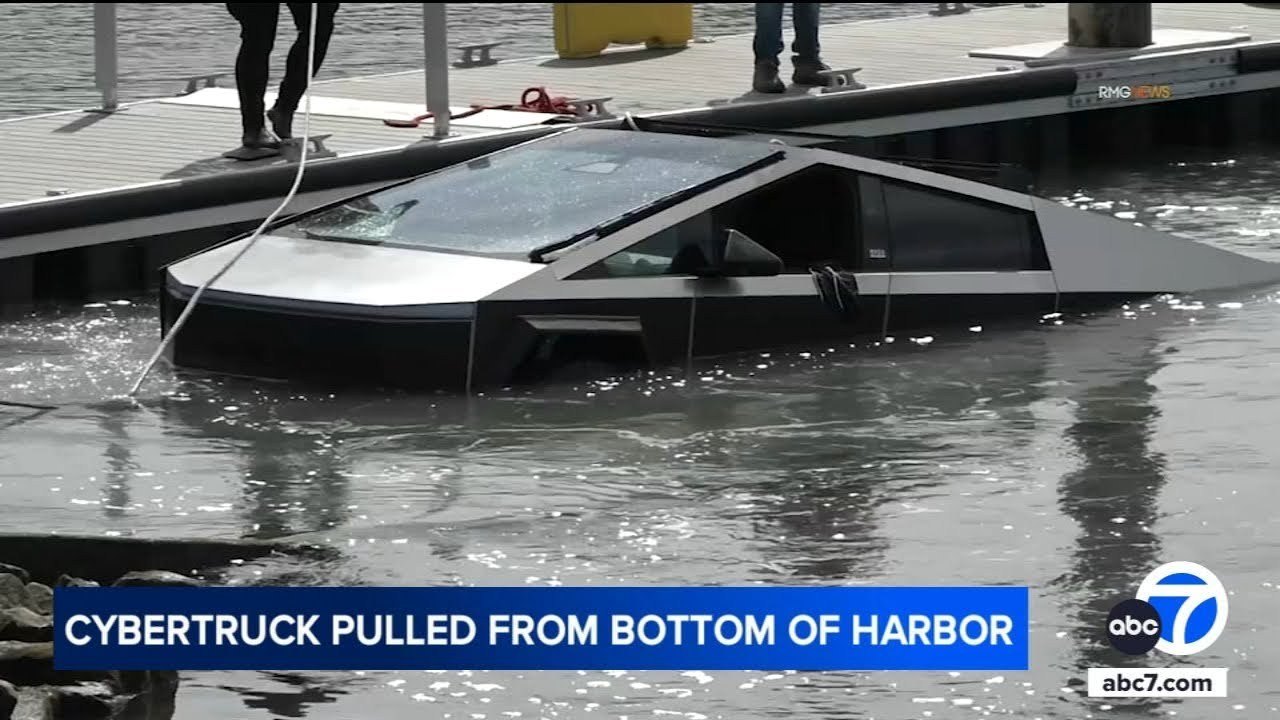
The vehicle relied on an angular, low-poly aesthetic drawn from Blade Runner, built with stainless-steel body panels and sharp geometric edges. Tesla claimed the platform would exceed conventional utility vehicles and sports cars, pitching it as faster than a Porsche 911 and more powerful than an F-150. Models were advertised starting at $60,990 with configurations promising up to 340 miles of range. In practice, owners experienced diminished range, reduced towing capability, high prices, and repeated recalls that hampered daily usability.
Hardware compromises also hindered everyday operations, epitomized by a comically oversized windshield wiper for which Musk conceded there was no easy engineering solution. The company's reluctance to alter the rigid body design or accommodate driver feedback generated persistent build-quality complaints among automobile enthusiasts and environmental advocates. Instead of operating as a dependable commercial pickup, the vehicle became a maintenance-heavy novelty requiring internal company bailouts. Shifting manufacturing lines toward the Cybercab ends development on this specific hardware layout in favor of autonomous transport.
Advertisement
Tech Pulse Daily
Get tomorrow's pulse first
Join engineers who read Tech Pulse before stand-up. Free, weekday mornings.
Good riddance, Cybertruck!: why it matters
The cancellation is notable because the vehicle became inseparable from Musk’s personal brand and hardline political realignment. As Musk aligned himself with Donald Trump and MAGA politics, launched America PAC, and took a leading position heading the DOGE project, the pickup functioned as a political symbol rather than a standard clean-energy transport. Owners of earlier models like the Model 3 and Model Y could credibly assert they purchased their cars before Musk embraced polarizing politics, whereas Cybertruck drivers were tied to that identity.
The timing also followed sweeping political losses for Musk, arriving three days after he poured more than $445 million into Republican campaigns. Over $200 million targeted Texas races where Tesla and SpaceX reside, including $168 million given to super PACs backing Ken Paxton and nearly $35 million routed from America PAC. Despite those investments, Democrat James Talarico defeated Paxton by 12 points to break a 38-year Senate drought, and Gina Hinojosa ousted Greg Abbott, exposing sharp limits to Musk's electoral influence.
Good riddance, Cybertruck!: who is affected
The decision directly impacts the 70,000 retail customers who bought the pickup and now hold an orphaned model with no active assembly line. Many owners originally embraced the truck as an overt partisan emblem, wrapping panels in Trump branding, mounting flags on cargo beds, and driving them to conservative rallies. Because general public sentiment turned against Musk's polarizing initiatives, truck owners face ongoing reputational challenges alongside mounting concerns over long-term repair access, factory replacement parts availability, and sharp depreciation across secondary markets.
Factory assembly teams and corporate divisions must now navigate extensive retooling procedures as manufacturing facilities shift toward autonomous vehicles. SpaceX, which absorbed significant unsold inventory to bolster Tesla's delivery statistics, holds a substantial fleet of specialized pickups acquired to support its sister company. Mainstream electric vehicle buyers, alienated by the truck's political associations and design quirks, have largely migrated toward conventional utility options, leaving Tesla without a viable competitor in the mainstream consumer pickup space and permanently capping its market reach.
Good riddance, Cybertruck!: what to watch
Attention now centers on whether Tesla can successfully deliver the Cybercab using the manufacturing lines previously occupied by the truck. Market analysts will watch whether the robotaxi encounters similar technical setbacks, engineering compromises, or developmental delays that derailed the pickup. Furthermore, observers will track how Tesla addresses remaining pickup inventories, including whether the company slashes prices further below previous $60,000 base estimates or continues transferring unsold inventory to internal operations at SpaceX to clean balance sheets before full line conversion begins.
The conclusion of the program signals broader lessons regarding product design and executive polarization across the tech sector. With the aura of invincibility removed following decisive election losses in Texas and nationally, researchers will assess whether Tesla returns to pragmatic vehicle engineering that prioritizes broad utility. The pickup stands as a case study in how dismissing consumer feedback and embracing partisan division can erode commercial viability, converting a product once hailed as the future of transport into an immediate relic.
Developer Action Items
- ☐ Verify the claim on the official SpaceX / Tesla page (or The Verge), not from this recap alone.
- ☐ Name the surface that moved — API, policy, model, hardware, or commercial terms — before you Slack the thread.
- ☐ Assign one owner a day to read the primary material and decide: this-sprint, this-quarter, or noise.
- ☐ Do not change production on day-one coverage. Watch the vendor changelog and one independent write-up first.
Good riddance, Cybertruck! FAQ
Why is Tesla winding down Cybertruck production?
Tesla is ending production to build the Cybercab after selling only 70,000 trucks against a 250,000 annual target.
How did SpaceX assist with unsold inventory?
SpaceX purchased Cybertrucks in volume to absorb unsold inventory and bolster delivery metrics on paper.
What role did politics play in the vehicle's failure?
Musk's MAGA alignment and DOGE post made the truck a polarizing political symbol rejected during election losses.
Sources

Author
Dillip Chowdary
Writes Tech Bytes coverage of AI, engineering, and the tools that actually ship. Editor of Tech Pulse Daily.
Related on Tech Bytes
Advertisement