How Stephen Miller Schemed His Way to the Top
Donald Trump named Stephen Miller White House chief of staff to replace Susie Wiles on Monday following Republican defeats in the House and Senate midterms.
By Dillip Chowdary • Nov 07, 2026 • Source: Wired

President Donald Trump announced on Truth Social that Stephen Miller will become White House chief of staff on Monday, replacing Susie Wiles after the Republican Party lost both the House and Senate in the midterm elections. Miller previously served as deputy chief of staff for policy and homeland security adviser, directing aggressive immigration enforcement. According to Wired's report, Wiles resigned Thursday after Trump blamed her for the electoral defeat, leading the president to select his longtime loyalist to run the executive branch.
This report examines the structural leadership change inside the West Wing, reviewing the political maneuvers, staffing vulnerabilities, and cabinet alignments resulting from the transition. It is written for policy analysts, political researchers, and institutional observers tracking executive governance, federal appointments, and administrative strategy ahead of incoming congressional scrutiny. The breakdown details why Trump selected Miller over rival contenders, how defense coordination shifts under the new hierarchy, which senior aides face immediate dismissal, and how the administration prepares its operational posture for the upcoming legislative session.
Stephen Miller Schemed His Way to the Top: what actually changed
The official change shifts executive administration to Stephen Miller starting Monday, concluding Susie Wiles' service following significant Republican losses in the midterm elections. Trump privately blamed Wiles for the defeat, which saw Republicans forfeit their majorities in both the House and Senate in the worst midterm showing for the party in decades. Wiles submitted her resignation on Thursday. Her departure ends a tenure marked by sustained access to Trump since 2021, contrasting with the frequent turnover among chiefs of staff during his initial presidential term.
Miller advances to chief of staff from his dual assignments as deputy chief of staff for policy and homeland security adviser. In those positions, Miller directed hardline domestic initiatives, notably an immigration enforcement crackdown that caused fatalities among United States citizens. Known colloquially among aides as the prime minister due to his extensive control over policy execution, Miller actively sought the promotion for weeks. His elevation rewards an adviser who has backed Trump since his 2016 campaign and supported him through his 2021 exile.
Stephen Miller Schemed His Way to the Top: how it works
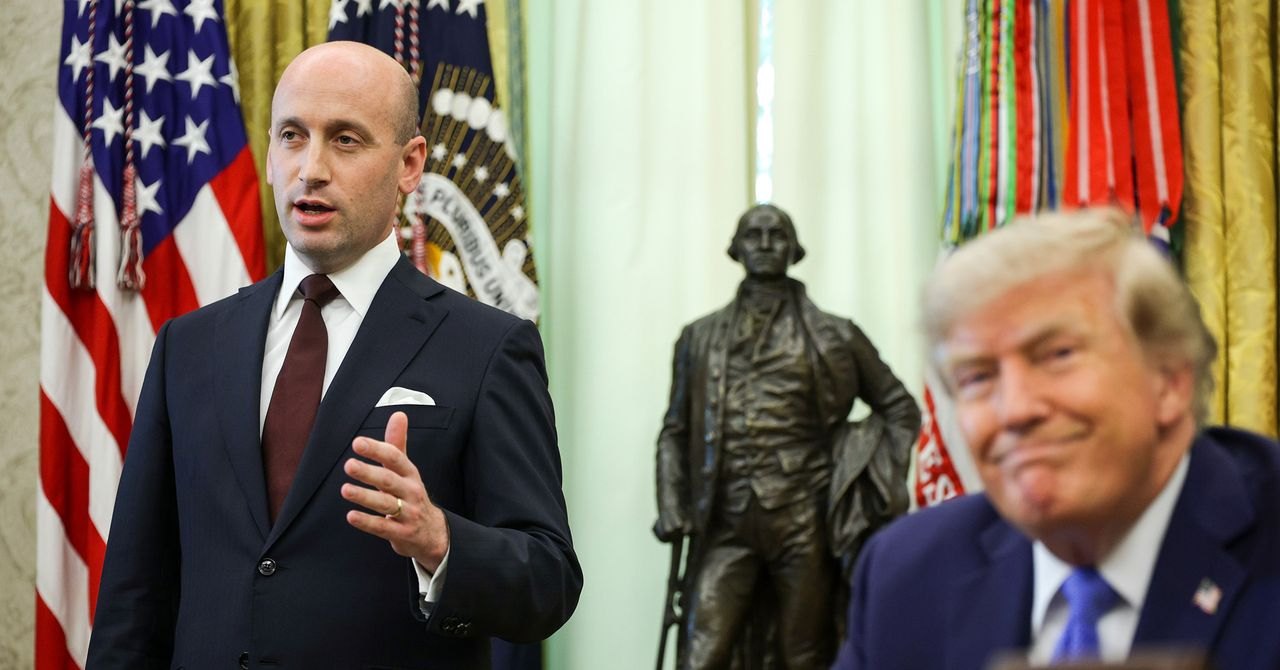
The selection occurred after Trump evaluated three potential replacements to succeed Wiles inside the West Wing. The options under review included special envoy Steve Witkoff, director of national intelligence Jay Clayton, and Miller. Trump ultimately chose Miller due to his fierce loyalty and aggressive defensive style, viewing him as essential for confronting anticipated congressional investigations next year. Miller pursued the role as negative reports weakened Wiles' position before the election, positioning himself to take charge once the president sought an uncompromising defender to lead the staff.
Internal operations had already shifted away from Wiles prior to her resignation, with Trump excluding her from key decisions. For example, Trump appointed Katie Zacharia as press secretary without consulting Wiles, despite subsequent White House pushback regarding the incident. Meanwhile, Miller exercised operational reach through the Homeland Security Council, collaborating with the Pentagon last year on military strikes against boats operating around Venezuela. That cross-agency coordination demonstrated Miller's ability to direct defense initiatives directly, bypassing traditional staff gatekeepers and establishing direct execution authority within the administration.
Advertisement
Tech Pulse Daily
Get tomorrow's pulse first
Join engineers who read Tech Pulse before stand-up. Free, weekday mornings.
Stephen Miller Schemed His Way to the Top: why it matters
Miller's promotion signals a shift toward confrontational governance across the executive branch rather than traditional political accommodation. By appointing the primary architect of hardline immigration enforcement as chief of staff, Trump reinforces an uncompromising direction despite widespread voter rejection at the polls. The choice establishes an executive operation structured specifically to resist oversight from congressional committees starting next year. Miller brings intense loyalty and an aggressive posture to the post, prioritizing partisan combativeness and executive authority over conventional legislative bargaining or moderate outreach following the loss of Congress.
The transition also concludes Wiles' tenure as Trump's most stable chief of staff, having retained his confidence continuously from his 2021 campaign through his second term. In a farewell statement posted on X, Wiles celebrated border security, tax reductions, economic measures, and the America First agenda. Her departure demonstrates that even sustained loyalty and administrative discipline remain vulnerable to sudden executive shifts when political fortunes decline. With Miller in charge, the administration signals that internal operations will focus primarily on ideological commitment and defensive maneuvering.
Stephen Miller Schemed His Way to the Top: who is affected
The leadership change creates immediate uncertainty for West Wing aides aligned with Wiles, who now anticipate extensive staff removals. Deputy chiefs of staff James Blair and Richard Walters are viewed internally as vulnerable to dismissal by Miller unless they resign beforehand. Blair had designed the Republican midterm strategy that resulted in the loss of both legislative chambers. As Miller assumes control of personnel management on Monday, aides associated with Wiles face likely removal, clearing the path for Miller to install loyalist personnel across core executive posts.
In contrast, defense secretary Pete Hegseth gains political breathing room from Miller's appointment following friction in his relationship with Wiles. Hegseth shares ideological views with Miller and partnered closely with him last year during the military strike campaign targeting boats near Venezuela. Miller orchestrated that operation through the Pentagon using his Homeland Security Council authority. With Miller leading the White House staff, Hegseth secures a key ally at the center of executive power, reinforcing defense collaboration and aligning military operations directly with the West Wing.
Stephen Miller Schemed His Way to the Top: what to watch
Observers will track how Miller reorganizes the White House apparatus to confront incoming investigations from newly controlled Democratic majorities in the House and Senate. The administration's response to congressional inquiries and subpoenas will reveal how aggressively Miller exercises executive privilege and directs administrative messaging. In addition, impending staffing moves will indicate the operational tone of the West Wing, especially whether Blair and Walters depart and who replaces them. These appointments will show whether the administration maintains standard policy operations or pivots entirely to political defense.
Attention will also center on Wiles' next steps and unresolved controversies surrounding her departure. Wiles stepped down after undergoing successful chemotherapy and addressing claims that her daughter received contracts through presidential connections, allegations rejected by the White House and the daughter's firm. Observers will watch whether Wiles remains active in political circles or leaves politics. Concurrently, analysts will monitor whether Miller accelerates hardline immigration measures and authorizes further international operations similar to the maritime strikes conducted around Venezuela under his Homeland Security Council leadership.
Developer Action Items
- ☐ Verify the claim on the official Stephen Miller Schemed His page (or Wired), not from this recap alone.
- ☐ Name the surface that moved — API, policy, model, hardware, or commercial terms — before you Slack the thread.
- ☐ Assign one owner a day to read the primary material and decide: this-sprint, this-quarter, or noise.
- ☐ Do not change production on day-one coverage. Watch the vendor changelog and one independent write-up first.
Stephen Miller Schemed His Way to the Top FAQ
Who did Donald Trump name as the new White House chief of staff?
Donald Trump announced that Stephen Miller will take over as White House chief of staff on Monday, succeeding Susie Wiles.
Why did Susie Wiles resign as chief of staff?
Wiles submitted her resignation on Thursday after Trump privately blamed her for the Republican Party's midterm election losses in the House and Senate.
What candidates did Donald Trump consider before appointing Stephen Miller?
Trump considered special envoy Steve Witkoff, director of national intelligence Jay Clayton, and Stephen Miller before choosing Miller for his loyalty and aggressive posture against upcoming congressional investigations.
Which White House officials face potential removal under Stephen Miller?
Wiles' deputy chiefs of staff, James Blair and Richard Walters, are considered vulnerable to dismissal by Miller unless they resign first.
Sources

Author
Dillip Chowdary
Writes Tech Bytes coverage of AI, engineering, and the tools that actually ship. Editor of Tech Pulse Daily.
Related on Tech Bytes
Advertisement