Jensen Huang was reckless with the environment, too
Nvidia supply-chain emissions rose 725 percent to 10.7 million metric tons as interim CEO Colette Kress faces calls to overhaul its growing energy footprint.
By Dillip Chowdary • Nov 14, 2026 • Source: The Verge

Under cofounder Jensen Huang, Nvidia emerged as the primary hardware engine for generative artificial intelligence while simultaneously expanding into one of the technology sector's largest environmental liabilities. Following Huang's resignation amid a sprawling personal and espionage scandal, advocacy organizations are demanding operational reforms, as detailed in The Verge's report on the company's escalating carbon footprint.
This report details Nvidia's ballooning supply chain emissions, data center electricity consumption, and corporate venture investments across the energy sector. It is written for technology strategists, enterprise hardware buyers, and environmental compliance officers who are closely tracking the ecological footprint of hyperscale artificial intelligence infrastructure.
01Executive departure and activist decarbonization demands
Greenpeace East Asia called on interim chief executive officer Colette Kress to commit Nvidia to comprehensive decarbonization through direct renewable energy procurement. Avex Li, the campaign lead for AI supply chains at Greenpeace East Asia, stated that Jensen Huang failed to incorporate climate responsibility into business expansion. Li argued that the company previously allowed unchecked data center growth and failed to restrict chip sales to ethical use cases.
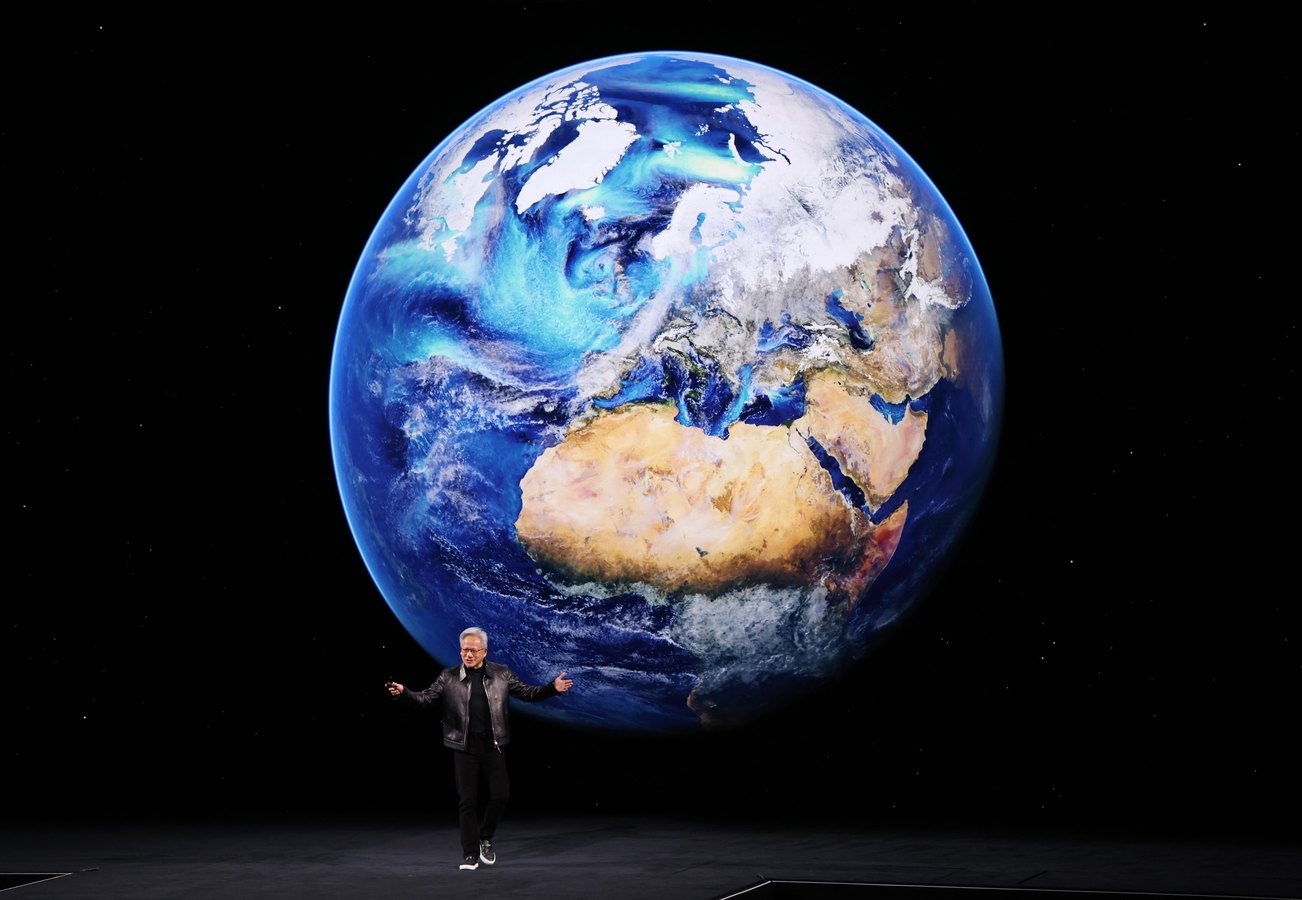
Activists disrupted Huang during his keynote speech at the Nvidia GPU Technology Conference in Berlin on October 21st. Huang deflected the on-stage protest by telling demonstrators he would speak with them later before continuing his presentation. Greenpeace representatives confirmed that despite persistent attempts over two years to establish dialogue, Nvidia executives never scheduled formal discussions regarding supply chain emissions.
Katrin Wu, a campaigner at Greenpeace International, warned that Huang left behind an infrastructure bubble that severely damaged regional environments and local power systems. Wu characterized the ongoing international deployment of computing clusters as a form of technological colonialism. The organization is now urging Kress to establish human rights protections alongside binding clean energy standards across all manufacturing operations.
02Indirect pollution and global coal comparisons
An analysis published in September by researcher Ketan Joshi, Greenpeace, and Climate Action Against Disinformation revealed Nvidia supply-chain emissions jumped 725 percent since 2020. This spike represents an additional 9.4 million metric tons of planet-warming greenhouse gases, an amount equivalent to the annual pollution of roughly 25 natural gas power plants. Nvidia disclosed fiscal year 2026 supply-chain pollution totaling approximately 10.7 million metric tons of carbon dioxide.
Nvidia directly owns few physical production plants because third-party foundries like TSMC handle actual semiconductor manufacturing. Consequently, direct emissions from company-operated facilities and fleet vehicles amounted to only 9,822 metric tons in fiscal year 2026. While the business achieved its milestone of covering 100 percent of internal office electricity with clean power purchases in 2025, that metric excludes manufacturing partners.
Advertisement
Tech Pulse Daily
Get tomorrow's pulse first
Join engineers who read Tech Pulse before stand-up. Free, weekday mornings.
Researchers estimated that operational electricity consumption from deployed Nvidia chips generated roughly 21 million metric tons of carbon emissions during 2025 alone. Nvidia omits customer product usage figures entirely from official sustainability disclosures. Joshi noted that when accounting for total customer chip utilization, Nvidia creates climate impact comparable to the annual greenhouse emissions generated by Russia's state-owned coal enterprise.
03Grid strain and near-term fossil reliance
Huang frequently argued that advancing artificial intelligence capability remains the most viable pathway to accelerating global green energy adoption. During a September appearance on The Ezra Klein Show, Huang contended that growing electricity demand for computation forces technology companies to finance new renewable generation. He urged listeners to embrace artificial intelligence tools as the premier mechanism for turning the corner on environmental sustainability.
During the same broadcast, Huang conceded that computing facilities will rely on larger quantities of fossil fuels in the immediate future. He admitted that constructing the physical infrastructure for artificial intelligence would inevitably cause an enormous amount of pain and suffering across power systems. Huang defended the resulting ecological disruption by comparing technology expansion to a surgeon cutting open a patient to save a life.
04Venture investments and utility grid alliances
Facing widespread electrical capacity shortages that delay computing facilities, Nvidia expanded its business operations directly into the broader energy sector. The company invested in facilities housing its graphic processors while maintaining close political connections, including Huang meeting with President Donald Trump. Huang also led corporate lobbying efforts seeking federal permission to continue shipping high-performance silicon to Chinese buyers.
NVentures, the corporate venture capital division of Nvidia, directed capital into startup businesses designed to resolve grid instability. Portfolio allocations included funding for battery recycling specialist Redwood Materials and software platforms that balance computational workloads against electricity supply swings. These venture investments targeted operational efficiency tools intended to accelerate data center deployment without waiting for utility grid overhauls.
In September, Nvidia joined Google and energy startup Emerald AI to establish the AI Energy Management Alliance. The coalition advocates for flexible data center configurations that throttle computing tasks during peak regional demand, alongside on-site power generation installations. Environmental critics countered that these arrangements primarily help technology operators bypass regulatory delays while failing to insulate nearby residential customers from climbing utility bills or local air pollution.
05Interim governance and community backlash
Unlike consumer-facing technology giants such as Apple or Google, Nvidia historically operated with minimal direct scrutiny from general consumers. Because its enterprise accelerators operate inside remote computing facilities, the hardware vendor avoided intense public debates over industrial resource consumption. That insulation disappeared as massive facilities sparked neighborhood protests over heavy regional water extraction, toxic chemical consumption, and rising local electric rates.
The abrupt resignation of Huang amid personal scandal leaves interim leadership with an unresolved environmental balance sheet. Rapid hardware upgrade cycles continue to generate substantial electronic waste as hyperscale operators discard previous GPU generations for newer silicon architectures. Colette Kress must now determine whether Nvidia will maintain aggressive capital buildouts or accede to activist demands regarding supply chain decarbonization and binding human rights guarantees.
Jensen Huang was reckless FAQ
Why did Jensen Huang resign from Nvidia?
Huang resigned following a sprawling sex-and-espionage scandal that ended his tenure as chief executive officer.
How much did Nvidia supply-chain carbon emissions increase since 2020?
Nvidia supply-chain greenhouse emissions increased 725 percent since 2020, reaching approximately 10.7 million metric tons of carbon dioxide in fiscal year 2026.
How large are the indirect emissions generated by deployed Nvidia chips?
Independent estimates calculated that customer chip power consumption generated roughly 21 million metric tons of emissions in 2025, rivaling Russia's state-owned coal firm.
What is the AI Energy Management Alliance?
Nvidia, Google, and Emerald AI formed the alliance in September to advocate on-site power generation and flexible data centers that pause compute during peak electricity demand.
Sources

Author
Dillip Chowdary
Writes Tech Bytes coverage of AI, engineering, and the tools that actually ship. Editor of Tech Pulse Daily.
Related on Tech Bytes
Advertisement