Jev is the fastest-adopted model in AI Gateway history
Within 24 hours of launching on AI Gateway, Jev from TypeSafe AI reached more than twice as many paid teams as any previous model launch, making it.
By Dillip Chowdary • Sep 20, 2026 • Source: Vercel Blog
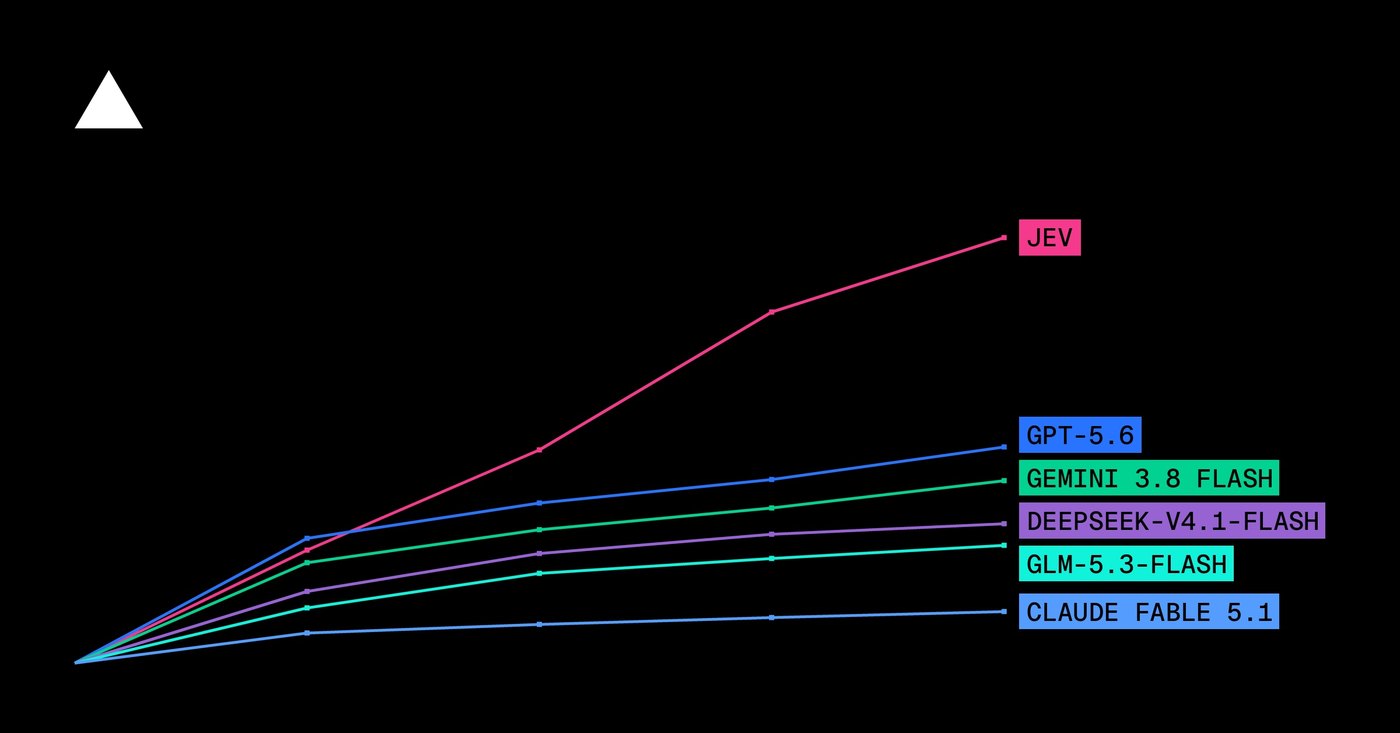
TypeSafe AI's Jev model became the fastest-adopted model in Vercel AI Gateway history within its first day on the platform, reaching nearly 13% of paid teams in 24 hours — more than twice the adoption rate of any previous model launch on the gateway. Jev surpassed every other model available for comparison within its first twelve hours and continued to extend that lead through the remainder of the day, a trajectory Vercel described as unprecedented in the gateway's history.
This article breaks down what drove Jev's adoption curve, what changed in the gateway routing and configuration layer for builders integrating TypeSafe AI models, and what developers should check before pointing production traffic at Jev. It is aimed at engineers already using Vercel AI Gateway who want to understand what the Jev launch changes about model selection, fallback logic, and cost profiling across their applications.
What Jev is the fastest-adopted model in AI shipped
TypeSafe AI launched Jev on Vercel AI Gateway, and the model's adoption among paid teams outpaced any previous gateway launch within twelve hours of going live. By the twenty-four-hour mark, Jev had reached nearly 13% of paid teams — a figure that represents more than double the penetration achieved by the next-highest launch in gateway history. The speed of that curve suggests teams are routing meaningful production workloads to Jev rather than simply trialing it on sandbox projects.
The gateway surfaces adoption as a percentage of active paid teams rather than raw request volume, which makes the 13% figure meaningful — it counts distinct organizations with active subscriptions, not aggregate API calls. For a model that had been live less than a day, clearing that threshold at more than twice the rate of prior launches indicates either a strong pre-launch signal from TypeSafe AI's existing user base or that Jev's capability-to-cost ratio cleared an evaluation bar that competing models did not.
What changed for builders in Jev is the fastest-adopted model in AI
The primary change for builders is that Jev is now available as a routable model inside the standard Vercel AI Gateway model registry, meaning it participates in the same fallback chains, rate-limit budgets, and observability dashboards as every other model on the platform. Teams that have already configured gateway-level provider fallbacks do not need to restructure their routing logic — they can add Jev as an option within an existing chain without touching upstream application code.
| Metric | Previous fastest-adopted model | Jev at hour 24 |
|---|---|---|
| Paid-team adoption at 24 h | < 6.5% (estimated ceiling) | ~13% |
| Lead over next model at hour 12 | baseline | ahead of all comparison models |
| Relative adoption rate | 1× | > 2× |
Because gateway adoption is measured at the team level, the jump also means Jev is appearing in a wider variety of workloads — from single-developer hobby projects to multi-seat enterprise accounts — than a narrow specialist model would typically see in its first day.
How to install or upgrade Jev is the fastest-adopted model in AI
Jev is available through the Vercel AI Gateway without a separate SDK update if you are already on a current release of the Vercel AI SDK. To confirm your SDK is up to date before switching:
Advertisement
Tech Pulse Daily
Get tomorrow's pulse first
Join engineers who read Tech Pulse before stand-up. Free, weekday mornings.
npm install ai@latestTo route a request to Jev in your application code, pass the model identifier through the gateway provider:
import { createGateway } from 'ai/gateway';
const gateway = createGateway();
const result = await gateway.chat({ model: 'typesafe/jev', messages });
To set Jev as the default model for a project at the gateway configuration level, update your ai.config.ts or equivalent gateway config:
export default {
  defaultModel: 'typesafe/jev',
};
Verify the model string resolves correctly in the gateway dashboard before promoting to production, as model identifier formatting can differ between preview and stable registry entries.
Gotchas and compatibility in Jev is the fastest-adopted model in AI
Teams using hardcoded model strings in environment variables should audit every MODEL_NAME or equivalent variable across staging and production before routing live traffic. The gateway will surface a model-not-found error at request time rather than at deploy time, so misconfigured identifiers do not block a deployment but will cause silent failures under load. Check gateway logs for 4xx model-resolution errors within the first hour after switching.
Fallback chains that rely on capability parity — particularly around context window size, tool-calling schemas, or structured output formats — need revalidation against Jev's actual behavior before being treated as drop-in replacements for whichever model Jev is displacing in a chain. The adoption speed suggests broad compatibility, but teams with strict output-schema contracts should run their evaluation suites against Jev before removing the prior model from fallback position. Cost profiling should also be re-run, as gateway pricing is per-model and Jev's token rates may differ from what a team's budget model assumed.
What to watch after Jev is the fastest-adopted model in AI
The 13% paid-team adoption figure at 24 hours is a snapshot, not a ceiling, and the trajectory through the first twelve hours suggests Jev's share among gateway teams is still climbing. Vercel has not yet published retention data — whether teams that routed traffic to Jev on day one continued doing so through the week is the figure that will distinguish a genuine shift in model preference from a curiosity spike driven by launch-day coverage.
TypeSafe AI's broader gateway strategy is the second thread to track. A fastest-ever launch on Vercel's platform puts TypeSafe AI in a strong negotiating position for deeper integrations — dedicated capacity tiers, latency SLAs, or preferred routing in the gateway's load-balancing layer. Builders evaluating multi-model architectures should watch whether Vercel formalizes a preferred-partner tier in its gateway registry, which would affect how fallback priority is assigned to Jev relative to models from larger incumbent providers.
Developer Action Items
- ☐ Diff the official changelog for Jev fastest-adopted model AI before you bump — APIs, defaults, and removed flags only.
- ☐ Install through the vendor's documented channel in staging; keep a one-command rollback and time-box the canary.
- ☐ Grep your repo for old flag names, lockfile pins, and plugin versions that the notes mark as breaking.
- ☐ Prefer the first patch cut over the day-zero tag unless you have a reason to be on the leading edge.
- ☐ If Vercel Blog did not name a region, plan, or SKU, screenshot the official availability line before you promise it to users.

Author
Dillip Chowdary
Writes Tech Bytes coverage of AI, engineering, and the tools that actually ship. Editor of Tech Pulse Daily.
Related on Tech Bytes
Hackers breach OpenAI using Claude tools, gaining access to employee accounts
Read →
Gemini app for macOS adding send and read iMessage integration
Read →
Claude Code now reads AGENTS.md if there is no Claude.md
Read →
Upcoming deprecation of selected GitHub Copilot models in mid-October
Read →
Today's Tech Pulse briefing
Full briefing →
Advertisement