Meta Connect 2026: The 7 biggest announcements
Meta announced a slate of new wearables during its annual Meta Connect showcase on Wednesday. Meta Connect 2026: The 7 biggest announcements
By Dillip Chowdary • Sep 24, 2026 • Source: The Verge

Meta used its annual Connect showcase on Wednesday to unveil a sweeping lineup of new wearables, with the centerpiece being a device that blurs the line between smart glasses and a full virtual reality headset. The new Meta VR Glasses bring virtual reality capability into a lightweight, smart-glasses-style frame — a significant departure from the bulkier form factors the company has shipped in previous years — paired with a tethered compute puck that handles processing off the face. Alongside the VR Glasses, Meta also introduced new screen-free smart glasses and additional AI features woven throughout its wearable lineup.
This piece covers everything Meta announced at Connect 2026 that matters to developers, early adopters, and anyone tracking the wearables market. Whether you are building spatial applications, evaluating hardware for enterprise use, or simply deciding whether to upgrade, the five sections below break down what shipped, what actually changed, who stands to benefit, how to get hands-on time, and what signals to watch as the products roll out.
Meta Connect 2026: the announcement
Meta held its annual Connect event on Wednesday, using the showcase to debut the Meta VR Glasses as the flagship reveal. The device is designed to look and feel like conventional smart glasses while still delivering virtual reality experiences — an engineering challenge the industry has wrestled with for years. To keep the frame light enough for all-day wear, Meta moved the compute hardware off the glasses entirely, housing it in a separate puck that connects via a tether. The company also announced new screen-free smart glasses and previewed AI capabilities integrated into the broader wearables ecosystem, signaling that Connect 2026 was as much about software platform as it was about hardware form factor.
The announcements arrived against a backdrop of intensifying competition in the consumer wearables space, with rivals also pushing lighter mixed-reality and AI-assisted eyewear. Meta's decision to lead with the VR Glasses — not a headset, not a phone-dependent accessory — reflects a deliberate bet that the glasses form factor is where mass-market VR adoption eventually lands. The event covered at least seven distinct announcements, with the VR Glasses, the new screen-free smart glasses models, and AI integrations representing the three clearest product pillars.
What actually changed with Meta Connect 2026
The most technically notable shift is the VR Glasses architecture itself. Prior Meta VR products — including the Quest line — placed all compute, battery, and optics in a single head-mounted unit. The new VR Glasses split that burden: the frame handles display and sensors while the tethered puck takes on processing and power. That trade-off shrinks the on-face weight substantially, though it introduces a cable and a second device to carry. Whether the puck clips to clothing or sits in a pocket, the physical experience of wearing the VR Glasses will be meaningfully different from any headset Meta has shipped before.
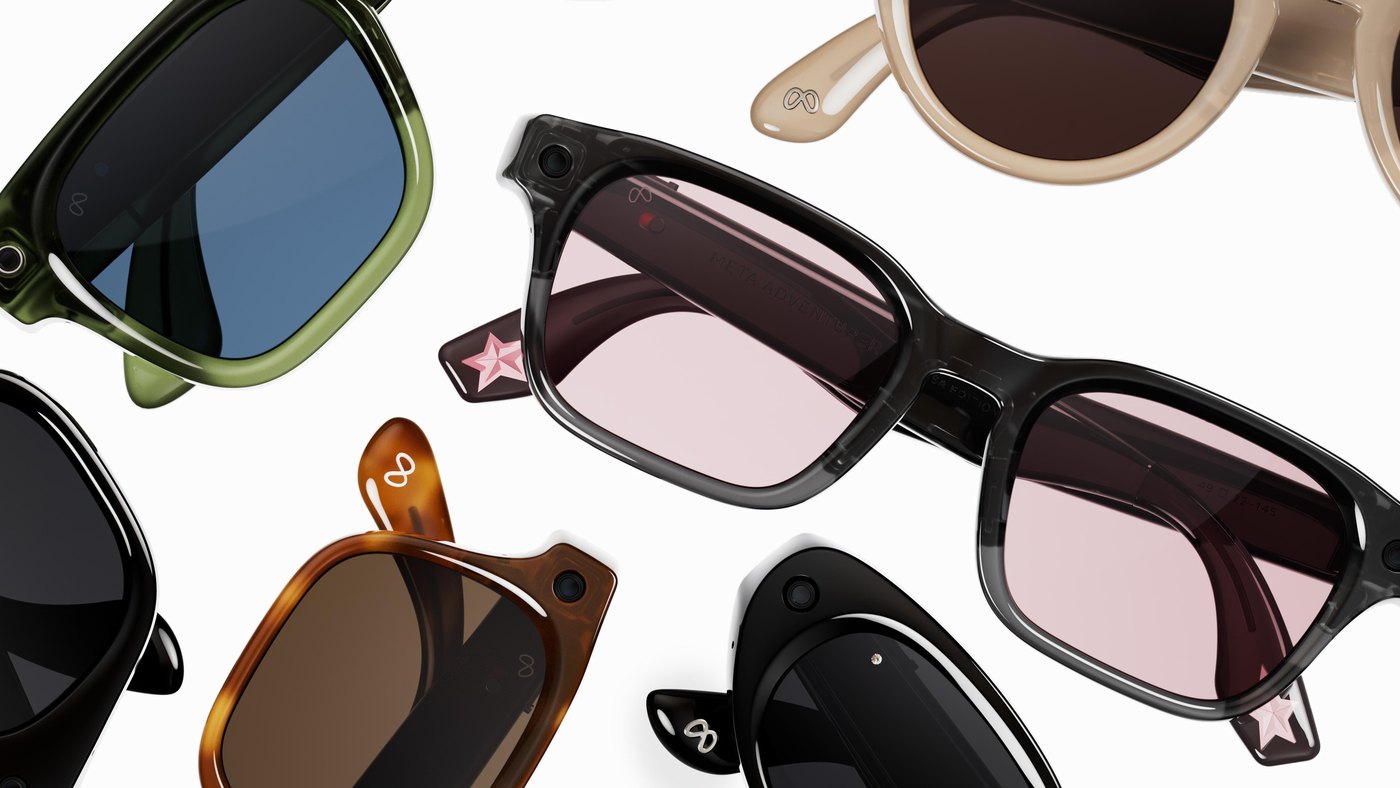
On the screen-free side, Meta expanded its smart glasses lineup with new models that carry no display at all — relying instead on audio output and microphones to deliver AI-assisted interactions. These builds upon the Ray-Ban Meta collaboration template but represent distinct new pairs rather than minor refreshes. The AI layer, present across the Connect 2026 announcements, suggests Meta is treating its wearables not as isolated gadgets but as access points to its broader AI assistant infrastructure, with the glasses acting as always-on ambient devices.
Advertisement
Tech Pulse Daily
Get tomorrow's pulse first
Join engineers who read Tech Pulse before stand-up. Free, weekday mornings.
Who should care about Meta Connect 2026
Developers working in spatial computing have the clearest immediate reason to pay attention. The VR Glasses introduce a new hardware target with different input constraints, display characteristics, and compute budgets than existing Quest hardware. Any team building immersive experiences will need to understand how the tethered puck architecture affects rendering pipelines and latency before committing roadmap resources to the platform. Meta's history with developer relations on Quest suggests SDK documentation and hardware access programs will follow the announcement, but builders should confirm availability before making plans.
Consumer early adopters and enterprise evaluators represent the second audience. The smart-glasses form factor has struggled with mainstream uptake partly because of bulk and social friction; the VR Glasses directly address both. Enterprise use cases — remote assistance, training simulations, spatial data visualization — have long been candidates for lighter VR form factors that workers can tolerate for extended shifts. Those evaluators should watch price, battery life of both the frame and puck independently, and the size of the software catalog at launch before committing to pilots.
How to try Meta Connect 2026
Meta has not yet specified general availability dates or pricing for the VR Glasses based on what was shared at Connect 2026. The announcement showcased the hardware and concept without confirming a consumer release window in the summary available at publication time. For the new screen-free smart glasses models, the path to hands-on access is similarly unconfirmed beyond the event reveal. Anyone interested in either product should monitor Meta's official channels for preorder and availability details as they surface in the days following the showcase.
Developers seeking earlier access should watch for any Meta Horizon OS developer program updates, as Meta has historically offered hardware access to registered developers ahead of broad consumer launches. Attending or reviewing recorded Connect 2026 session content — often released publicly — is a practical way to get specification details and API previews before devices reach shelves.
What to watch after Meta Connect 2026
The key open question is the puck. Tethered compute accessories have historically struggled with consumer adoption because the second device adds friction and failure points — a cable that snags, a puck that runs out of battery separately from the frame, or a connector that wears out. How Meta has engineered the tether interface, what the puck's battery life looks like independently of the frame, and whether it can be worn discreetly will determine whether the VR Glasses architecture works in practice or stays a trade show concept.
The screen-free smart glasses expansion is also worth tracking for AI capability depth. Ambient AI on wearables is only as useful as the response latency and the quality of the assistant behind it. As Meta rolls out pricing and software details for both product lines in the coming weeks, the spec sheets and developer documentation will tell a clearer story than the Connect stage did.
Developer Action Items
- ☐ Diff the official changelog for Meta before you bump — APIs, defaults, and removed flags only.
- ☐ Install through the vendor's documented channel in staging; keep a one-command rollback and time-box the canary.
- ☐ Grep your repo for old flag names, lockfile pins, and plugin versions that the notes mark as breaking.
- ☐ Prefer the first patch cut over the day-zero tag unless you have a reason to be on the leading edge.
- ☐ If The Verge did not name a region, plan, or SKU, screenshot the official availability line before you promise it to users.

Author
Dillip Chowdary
Writes Tech Bytes coverage of AI, engineering, and the tools that actually ship. Editor of Tech Pulse Daily.
Related on Tech Bytes
Claude Opus 5.5, GPT-6 Sol, GPT-6 Luna, and a new price war
Read →
Airbnb widens access to GPT-6 Astra and OpenAI frontier models
Read →
Use open weight models as your AI coding agent with Amazon Bedrock
Read →
OpenAI just upgraded ChatGPT Voice in three ways
Read →
Today's Tech Pulse briefing
Full briefing →
Advertisement