More European supermarkets are getting their freezers hacked
Suspected cyberattacks on European supermarkets remotely raised freezer temperatures up to 50 degrees Celsius across Sweden, Belgium, and Luxembourg.
By Dillip Chowdary • Nov 02, 2026 • Source: The Verge

Grocery retailers across northern and western Europe are responding to suspected cyberattacks after remote actors breached connected commercial refrigeration systems. Outages and temperature disruptions hit supermarkets in Belgium, Sweden, Luxembourg, and Estonia, according to local reports cited in The Verge's report. Rather than encrypting databases, perpetrators manipulated cooling units directly, remotely raising temperatures inside store freezers and spoiling perishable inventory overnight.
This report examines the operational fallout, affected grocery chains, and systemic risks within internet-connected building management systems. It serves IT security teams, retail logistics managers, and facility engineers seeking to understand how operational technology is targeted. Through incident data from ICA Kvantum, Coop, and Ahold Delhaize, this analysis outlines how unauthorized access to automated climate controls disrupts food retail integrity and cold chain reliability across Europe.
More European supermarkets are getting their: what actually changed
The notable change in this wave of cyber incidents is the deliberate manipulation of physical environmental setpoints rather than extortion through corporate data theft. In earlier retail breaches, hackers targeted payment terminals or consumer records, but these intrusions altered refrigeration controls across Belgium, Sweden, Luxembourg, and Estonia. At an Ica Kvantum store in Sweden, employees discovered that fridges and freezers were breached overnight and heated to 50 degrees Celsius (122 Fahrenheit). The sudden thermal surge destroyed fresh groceries, forcing workers to unload and discard spoiled inventory from affected cases.
Commercial grocers that treated cooling machinery as background utility equipment now confront active operational sabotage on retail sales floors. In Sweden, national chain Coop confirmed that unauthorized actors accessed internal cooling controls and tampered with thermal systems across a small fraction of stores. Meanwhile, Dutch retail group Ahold Delhaize acknowledged an IT incident adjusted refrigeration temperatures across dozens of supermarkets in Belgium and Luxembourg. Instead of temporary software downtime, these remote interventions caused physical store disruptions and food waste, proving that operational technology has become an active target.
More European supermarkets are getting their: how it works
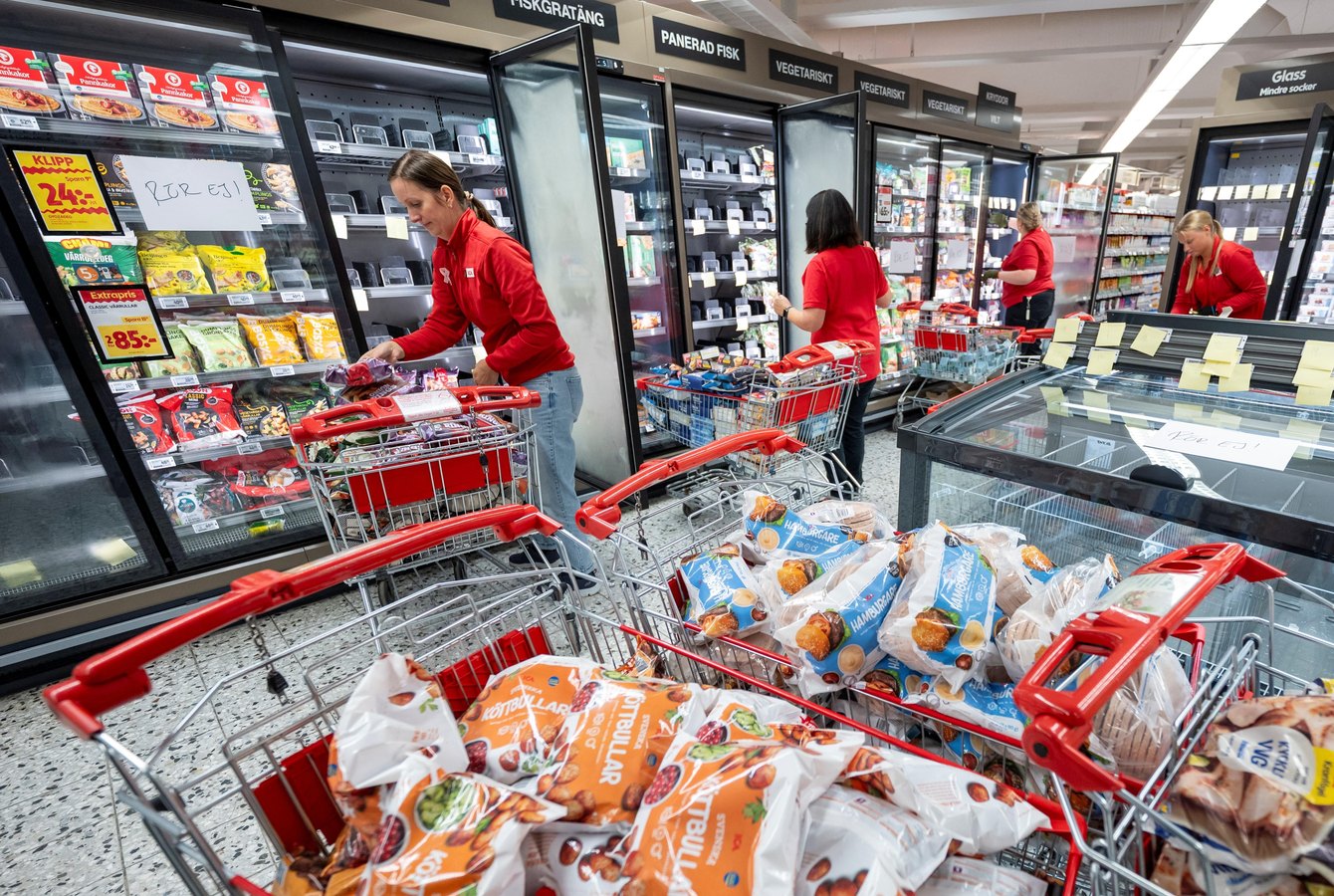
Modern commercial supermarkets deploy internet-connected cooling infrastructure that allows central facilities teams and external contractors to monitor temperatures, detect equipment anomalies, and perform diagnostic adjustments remotely. These network-linked chillers and freezers transmit real-time telemetry data and accept remote commands to support maintenance schedules and issue automated system failure alerts before compressor breakdowns occur. However, connecting industrial refrigeration equipment directly to outside networks creates accessible entry points for unauthorized actors whenever remote administrative interfaces, authentication credentials, or communication channels lack proper network segmentation across distributed store locations.
Once unauthorized actors obtain remote access to these building automation interfaces, they can alter operational temperature setpoints without entering the physical store. Intruders exploit these remote management conduits to override standard cooling limits, turning sub-zero preservation units into heating zones by modifying thermostat settings. In Sweden, intruders remotely adjusted refrigeration controllers to 50 degrees Celsius overnight while retail branches were closed. Because the compromised maintenance interfaces hold administrative authority over environmental thresholds, the hardware executes the malicious instructions directly, preventing compressors from maintaining required food preservation temperatures.
Advertisement
Tech Pulse Daily
Get tomorrow's pulse first
Join engineers who read Tech Pulse before stand-up. Free, weekday mornings.
More European supermarkets are getting their: why it matters now
The deliberate tampering with supermarket cooling infrastructure signals a dangerous escalation in physical supply chain vulnerability that directly threatens public health and retail food distribution. Food safety standards demand unbroken cold storage, and sudden temperature increases quickly spoil dairy, produce, and frozen goods, rendering them unsafe for sale. This wave across Sweden, Belgium, Luxembourg, and Estonia follows an apparent cyberattack that hit hundreds of French supermarket refrigerators last month, causing food spoilage estimated to be worth millions of Euros. The repeated disruption highlights cold-storage networks as attractive targets for attackers.
Beyond civilian grocery stores, recent cooling disruptions parallel similar unexplained incidents across military facilities. A string of freezer malfunctions at United States military bases is currently suspected of resulting from cyberattacks, illustrating shared systemic weaknesses across institutional refrigeration networks. When critical food storage systems fail, organizations suffer substantial financial losses from discarded inventory alongside supply chain shortages. As intrusions transition from standard enterprise IT networks into operational technology controlling essential societal infrastructure, protecting commercial cooling systems has evolved into an urgent food security and supply chain continuity priority.
More European supermarkets are getting their: who is affected
The documented intrusions involve major supermarket brands across multiple European nations, demonstrating widespread exposure across standardized retail equipment. In Sweden, individual locations including the ICA Kvantum store in Sjoebo had to mobilize staff to unload ruined freezer cabinets after temperatures soared. Swedish supermarket chain Coop was also impacted, with a company spokesperson confirming to Business Insider that unauthorized actors tampered with cooling systems at a small fraction of its stores. These coordinated events disrupted local retail operations, spoiled valuable perishable stock, and forced immediate emergency inventory evaluations.
In Belgium and Luxembourg, Dutch retail giant Ahold Delhaize experienced widespread operational issues across dozens of its regional supermarkets. Company officials stated an IT incident adjusted temperatures in refrigeration units across multiple locations, though the full scale remains unconfirmed. Additionally, local news reports highlighted by Bloomberg and Reuters confirmed that supermarket chains in Estonia suffered similar cooling system tampering. The incidents directly impacted store personnel, supply chain planners, and consumers who encountered closed freezer aisles, damaged food items, and depleted grocery shelves across affected regions.
More European supermarkets are getting their: what to watch
Cybersecurity investigators and retail authorities are examining the precise intrusion vectors and technical attribution behind the cooling system compromises. Ahold Delhaize noted that the complete scale of the incident in Belgium and Luxembourg is still being determined, while investigators assess whether common third-party maintenance contractors or shared management software provided initial access. Observers are tracking disclosures from European cyber defense agencies and industry associations to clarify whether the attacks stem from extortion groups, opportunistic hackers, or state-linked operators testing disruptive tactics against food supply chains and critical logistics networks.
In response to these incidents, grocery operators throughout Europe must audit internet-facing refrigeration controls and isolate critical cooling hardware from general corporate networks. Facility managers will need to evaluate third-party vendor access permissions, enforce multi-factor authentication, and deploy continuous monitoring across refrigeration telemetry feeds. Following repeated breaches across French supermarkets, US military installations, Scandinavia, and the Baltic region, industry regulators may soon require strict security standards for commercial refrigeration. Stakeholders will watch for new guidance requiring air-gapped or segmented environmental controls to protect critical retail infrastructure.
Developer Action Items
- ☐ Inventory whether European supermarkets getting freezers runs in prod, CI, staging, or on laptops before you debate severity.
- ☐ Confirm the vendor's fixed build for European supermarkets getting freezers from The Verge, then schedule the patch window.
- ☐ If you cannot patch today, isolate the service, rotate tokens that sat on the affected surface, and raise the logging floor.
- ☐ Record the decision and residual risk so the next on-call does not re-litigate whether you are exposed.
- ☐ Treat unexpected emails that mention European supermarkets getting freezers (shipping, invoices, password resets) as phishing until verified.
More European supermarkets are getting their FAQ
Which countries and supermarket chains were affected by the cooling system hacks?
Supermarkets in Belgium, Sweden, Luxembourg, and Estonia reported compromised cooling units. Affected retailers include Swedish chains ICA Kvantum and Coop, as well as Dutch retailer Ahold Delhaize in Belgium and Luxembourg.
How did hackers manipulate the supermarket refrigeration units?
Intruders accessed internet-connected cooling systems used for remote maintenance and alerts, altering thermostat settings. At an ICA Kvantum store in Sweden, temperatures were remotely increased overnight to 50 degrees Celsius (122 Fahrenheit).
Have similar cyberattacks targeted food refrigeration systems before?
An apparent cyberattack struck hundreds of French supermarket refrigerators last month, causing millions of Euros in spoiled food. Suspected cyberattacks have also caused freezer malfunctions across United States military bases.
What caused the cooling systems to be vulnerable to remote tampering?
Modern commercial fridges and freezers connect to the internet to support remote maintenance and system failure alerts. These internet connections create access points that unauthorized actors can exploit if network defenses and interfaces are compromised.
Sources

Author
Dillip Chowdary
Writes Tech Bytes coverage of AI, engineering, and the tools that actually ship. Editor of Tech Pulse Daily.
Related on Tech Bytes
Advertisement