Next year’s iPhone Pro redesign will drop an important button, per leak
Apple will drop the dedicated Action button from next year's iPhone Pro redesign, merging its shortcut tools into a long-press on the Camera Control key.
By Dillip Chowdary • Nov 07, 2026 • Source: 9to5Mac

Apple is preparing a major hardware overhaul for next year’s iPhone Pro lineup that will eliminate the dedicated Action button from the device chassis, according to details disclosed in 9to5Mac's report. The change aligns with Apple’s plans for the twentieth anniversary of the iPhone in 2027, an occasion mirroring the milestone launch of the iPhone X a decade earlier in 2017. As part of this anniversary transition, the company is coupling external design modifications with a streamlined physical control interface.
This analysis details the structural adjustments planned for the upcoming iPhone Pro flagship models, the mechanical consolidation of side-mounted input switches, and the ergonomic implications for everyday users and professional creators. The report covers the precise engineering changes highlighted by hardware leakers, examining how shortcut workflows will transition to consolidated controls across future generations of Apple smartphones.
Next year’s iPhone Pro redesign will drop: what actually changed
The primary hardware modification coming to the next-generation iPhone Pro models centers on the physical removal of the standalone Action button. In its place, Apple is retaining only the Camera Control input on the chassis, mirroring a configuration choice that previously debuted on the iPhone Duo. This mechanical omission is tied directly to a comprehensive exterior casing redesign planned for the twentieth anniversary of the smartphone line, which initially debuted in 2007 under Steve Jobs.
In addition to shedding the dedicated button, the upcoming Pro tier will introduce quad-curved displays designed to wrap around the edges of the casing. This structural shift is intended to give the front glass a visually bezel-free appearance while simultaneously expanding overall screen size. The elimination of the button cutout provides cleaner edge geometry needed to facilitate the curved glass perimeter while maintaining structural integrity across the frame.
Next year’s iPhone Pro redesign will drop: how it works
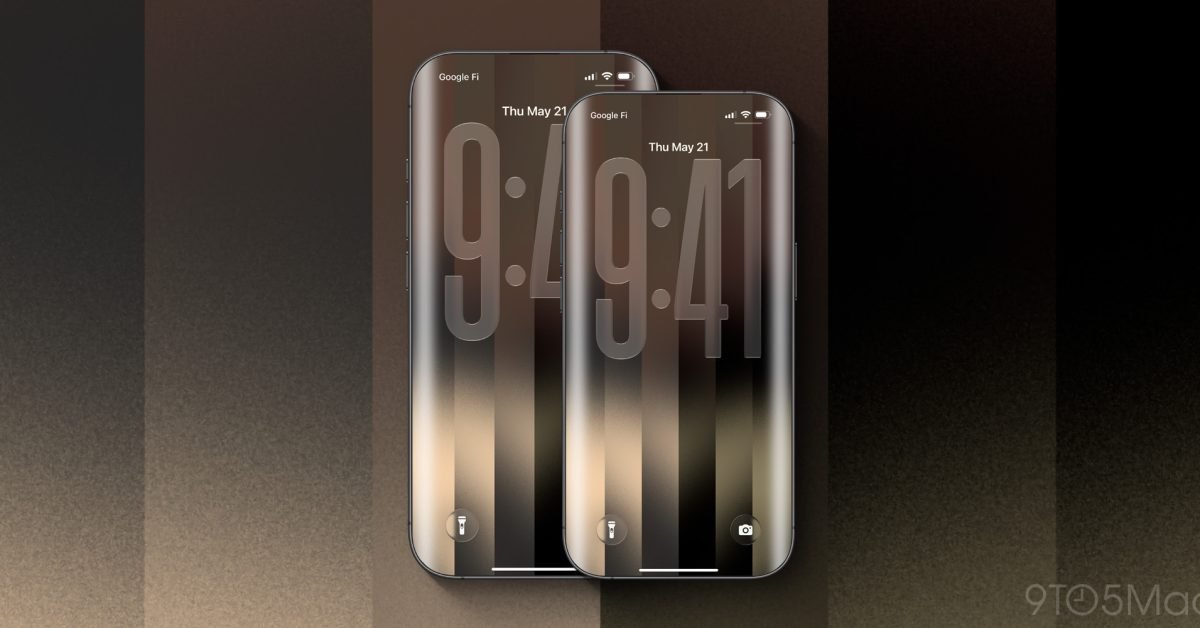
Although the physical Action button will vanish from the frame, Apple is not eliminating its configurable software functionality from iOS. Instead, the company plans to integrate Action button capabilities directly into the existing Camera Control button. Under the revised input architecture, a standard physical press on the Camera Control surface will continue to launch the native Camera application as normal, preserving rapid capture access for still photography and video recording.
Customizable shortcuts will be triggered through an alternate input state mapped to the same hardware switch. Users will activate secondary tools, system focus modes, and configurable shortcuts by performing a long-press on the Camera Control button instead of a quick tap. This dual-input mapping enables the hardware control to serve its specialized imaging purpose during single-click events while reproducing the versatile task execution of the retired Action button through extended pressure.
Advertisement
Tech Pulse Daily
Get tomorrow's pulse first
Join engineers who read Tech Pulse before stand-up. Free, weekday mornings.
Next year’s iPhone Pro redesign will drop: why it matters
Consolidating distinct functions into a single multipurpose input represents a strategic simplification of Apple’s device perimeter ahead of the 2027 anniversary cycle. When the iPhone X marked the tenth anniversary in 2017, Apple permanently removed the physical Home button to maximize screen real estate and establish gestures. The removal of the Action button follows a similar trajectory, reducing surface penetrations along the chassis to support edge-to-edge curved glass that wraps across outer boundaries.
The consolidation also establishes a uniform button architecture across diverse hardware categories within the ecosystem. The hardware pattern that began when the iPhone Duo omitted the Action button will now standardise the high-end Pro series before expanding to next-generation iPhone Duo models and future handsets. This unified layout allows Apple to minimize peripheral component count, streamline assembly operations, and simplify protective case manufacturing for wraparound display devices.
Next year’s iPhone Pro redesign will drop: who is affected
The transition will immediately affect prospective buyers and power users who rely on the Action button for one-touch navigation, accessibility toggles, voice memos, and custom Shortcuts. When the Action button was originally dropped from the iPhone Duo, several users expressed disappointment that the versatile quick-switch mechanism was absent. Observers such as Chance Miller publicly noted a preference for the utility of the Action button over dedicated camera inputs, highlighting persistent friction among enthusiasts.
Ergonomic adjustments will also influence buyers unaccustomed to quad-curved smartphone panels. Early feedback surrounding curved displays from earlier handset generations often cited accidental touch registration and inadvertent palm inputs as recurring usability drawbacks. Users upgrading from flat-edge Pro hardware will need to adapt both to palm handling along the wraparound glass perimeter and to the revised timing requirements of long-pressing Camera Control to run everyday automation routines.
Next year’s iPhone Pro redesign will drop: what to watch
Industry attention now turns to how Apple refines the input sensitivity and software customization of the Camera Control long-press mechanism. Observers will track whether iOS introduces adjustable haptic thresholds to prevent users from accidentally launching the Camera app when attempting to trigger a custom shortcut. Testing during pre-release cycles will determine whether secondary press gestures reliably distinguish quick framing actions from intentional utility toggles without introducing perceptible interface lag.
Subsequent supply chain disclosures will also clarify how the quad-curved display architecture performs in volume production leading into the 2027 twentieth anniversary window. Observers will watch for durability assessments regarding edge drops on the bezel-free frame, as well as formal confirmation that the unified Camera Control architecture will cascade into subsequent iterations of the iPhone Duo and standard flagship tiers across Apple’s future hardware roadmap.
Developer Action Items
- ☐ Verify the claim on the official Apple / iOS page (or 9to5Mac), not from this recap alone.
- ☐ Name the surface that moved — API, policy, model, hardware, or commercial terms — before you Slack the thread.
- ☐ Assign one owner a day to read the primary material and decide: this-sprint, this-quarter, or noise.
- ☐ Do not change production on day-one coverage. Watch the vendor changelog and one independent write-up first.
Next year’s iPhone Pro redesign will drop FAQ
Why is Apple removing the Action button from next year's iPhone Pro?
Apple is dropping the Action button as part of a 20th anniversary redesign featuring quad-curved displays that wrap around the edges for a visually bezel-free look.
How will users access Action button shortcuts without the physical button?
The functionality will be merged into the Camera Control button, where a standard press opens the Camera app and a long-press triggers Action button capabilities.
Has Apple removed the Action button on any other smartphone models?
Yes, Apple previously dropped the Action button on the iPhone Duo, establishing a control pattern that is now expanding to the Pro series.
What display changes are planned alongside the button removal?
Next year's iPhone Pro models are rumored to receive quad-curved, bezel-free displays that wrap around the edges alongside an increase in screen size.
Sources

Author
Dillip Chowdary
Writes Tech Bytes coverage of AI, engineering, and the tools that actually ship. Editor of Tech Pulse Daily.
Related on Tech Bytes
Advertisement