Report: John Ternus pushing Craig Federighi to speed up Apple software
Apple CEO John Ternus pushed software chief Craig Federighi in a closed-door meeting to accelerate roadmaps and move beyond Siri to match rival AI urgency.
By Dillip Chowdary • Nov 08, 2026 • Source: 9to5Mac
Apple chief executive officer John Ternus has intervened directly in software engineering, holding a closed-door meeting with software senior vice president Craig Federighi to push for an accelerated roadmap. As detailed in 9to5Mac's report, Ternus expressed frustration with Apple's hesitation to embrace artificial intelligence with competitor urgency, demanding faster execution beyond routine Siri improvements.
This operational intervention addresses friction between hardware schedules and software development across Cupertino. For developers and industry analysts observing Apple's corporate trajectory, this report details executive dynamics between Ternus and Federighi, the potential exit of key Siri leadership, and workflow adjustments inside Apple's development pipeline as the company accelerates software velocity.
John Ternus pushing Craig Federighi to speed: what actually changed
The catalyst for change inside Cupertino is a closed-door meeting between John Ternus and Craig Federighi over software strategy. Federighi became Apple's artificial intelligence czar last year following the dismissal of the former artificial intelligence leader, consolidating operating systems and machine learning under his management. Despite this shift, Ternus signaled that software has not matched rivals in delivery speed. Ternus explicitly instructed Federighi to move beyond bare-minimum improvements for Siri and accelerate the roadmap to deliver broader intelligent software capabilities.
Alongside executive discussions, Apple has initiated active internal experiments to overhaul its software engineering pipeline. The company is restructuring developer workflows to provide engineers with fifty percent more time dedicated to coding and exploration while spending less time on integration tasks. This change has been enabled by recent improvements in automated coding agents, allowing software teams to automate integration friction. The operational modification represents a deliberate effort to modernize engineering processes, shifting from manual integration toward agile exploration powered by coding agents.
John Ternus pushing Craig Federighi to speed: how it works
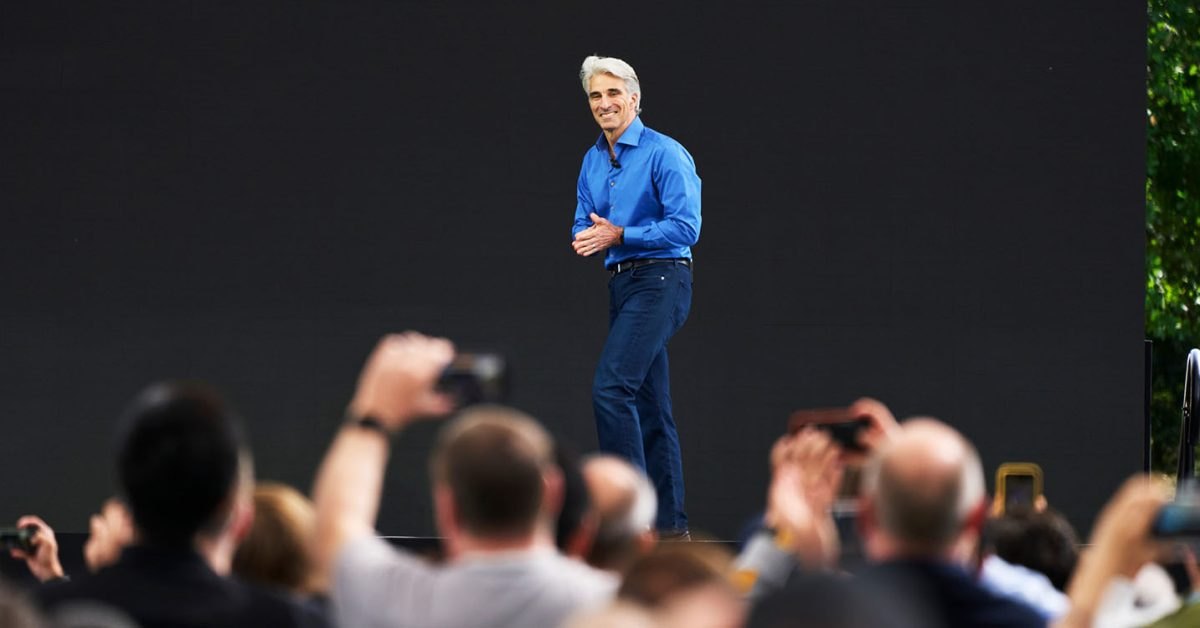
The operational tension between executive leadership and software engineering stems directly from Craig Federighi's hands-on management model and centralized control. Federighi takes an active role in meetings and major decisions, using his command of technical details to debate and reject proposals from subordinate teams. While this scrutiny enforces high standards, engineers and designers report that competing ideas struggle to gain traction. Staff members have expressed that this dynamic leaves them with limited influence over product direction, slowing innovation under an uncompromising viewpoint.
A structural mismatch also exists in divergent planning horizons across Apple's engineering departments. Federighi directs software engineering through a rolling timeframe of twelve to eighteen months, focusing on immediate annual release cycles for operating systems. In contrast, hardware engineering organizations, which Ternus led prior to becoming chief executive officer, plan across multi-year roadmaps that anticipate component cycles. Ternus wants the software organization to bridge this gap, aligning tactical software releases with multi-year strategic roadmaps so artificial intelligence architectures synchronize with future hardware.
Advertisement
Tech Pulse Daily
Get tomorrow's pulse first
Join engineers who read Tech Pulse before stand-up. Free, weekday mornings.
John Ternus pushing Craig Federighi to speed: why it matters
Accelerating software delivery is critical for Apple after years of market criticism over sluggish product rollout schedules in artificial intelligence. While competitors aggressively shipped autonomous systems, Apple faced reputational damage from an embarrassing two-year delay in bringing the new Siri to market. The intervention by Ternus highlights an executive consensus that incremental software refinements are no longer sufficient to maintain parity. If Apple cannot shorten development intervals and release comprehensive artificial intelligence features alongside hardware updates, the company risks alienating users who expect modern intelligent software.
The strategic urgency also carries consequences for Apple's executive stability and succession planning. Federighi remains a foundational pillar of Apple's leadership, with no indication that he plans to leave the company. However, Federighi has treated the establishment of an internal succession plan as a very low priority, concentrating authority within his office. Ternus is challenging this concentration, signaling that Federighi must loosen his firm grip over software engineering to empower alternate leaders who can take independent initiative, insulating Apple against organizational bottlenecks.
John Ternus pushing Craig Federighi to speed: who is affected
The friction within Apple's software and artificial intelligence ranks extends directly into senior division management, most notably impacting Mike Rockwell. Rockwell created the Vision Pro headset and currently serves as vice president of Siri engineering, leading the development of Siri artificial intelligence. Rockwell continues to seriously consider stepping down from his executive post, which could mean leaving his role or departing Apple altogether next year. Losing Rockwell would represent a major blow to engineering continuity, given his pivotal role in delivering Siri following its prolonged delays.
Rank-and-file software engineers and user experience designers across the company are equally affected by evolving workplace dynamics. For years, team members navigated a hierarchy where major product choices required overcoming Federighi's debating abilities, leaving many contributors feeling marginalized when proposing alternative technical concepts. The transition toward a restructured development pipeline and improved coding agents offers engineers greater creative freedom and reduced integration friction. If executive pressure succeeds in distributing authority, engineering teams will gain the latitude needed to explore new ideas without facing centralized hurdles.
John Ternus pushing Craig Federighi to speed: what to watch
In coming months, industry observers will watch whether Craig Federighi adjusts his management style to delegate meaningful authority across software engineering. Observers will track whether senior software leaders gain autonomy to execute decisions independently, breaking the centralized bottleneck that defined recent release cycles. The test will be whether Apple's software roadmap expands beyond basic Siri updates into ambitious artificial intelligence platforms across the operating system ecosystem. Any visible expansion in software planning from twelve to eighteen months toward multi-year roadmaps will indicate that Ternus's pressure is taking hold.
Attention will also focus on pending executive decisions of Mike Rockwell heading into next year. Should Rockwell step down as vice president of Siri engineering or leave Apple entirely, Ternus will face the challenge of replacing an executive who steered Vision Pro and revitalized Siri. Concurrently, the success of the experimental pipeline will be evaluated by Apple's release cadence. If granting engineers fifty percent more time to code while reducing integration overhead accelerates product delivery, Apple could establish a new standard for software velocity.
Developer Action Items
- ☐ Verify the claim on the official Apple page (or 9to5Mac), not from this recap alone.
- ☐ Name the surface that moved — API, policy, model, hardware, or commercial terms — before you Slack the thread.
- ☐ Assign one owner a day to read the primary material and decide: this-sprint, this-quarter, or noise.
- ☐ Do not change production on day-one coverage. Watch the vendor changelog and one independent write-up first.
John Ternus pushing Craig Federighi to speed FAQ
Why is John Ternus pushing Craig Federighi to accelerate software engineering?
John Ternus wants Apple to embrace artificial intelligence with the same urgency as competitors and move beyond basic Siri improvements.
Is Craig Federighi leaving Apple?
There is no indication that Craig Federighi is leaving Apple, though he has treated developing an internal succession plan as a very low priority.
What leadership changes might happen with Siri engineering?
Mike Rockwell, who created Vision Pro and serves as vice president of Siri engineering, is seriously considering stepping down from his role or leaving Apple next year.
How is Apple changing its software development pipeline?
Apple is experimenting with a pipeline that gives engineers 50% more time to code and explore and less time on integration as coding agents have improved.
Sources

Author
Dillip Chowdary
Writes Tech Bytes coverage of AI, engineering, and the tools that actually ship. Editor of Tech Pulse Daily.
Related on Tech Bytes
Advertisement