Tesla will stop making the Cybertruck in 2027
Tesla will halt Cybertruck production in 2027 to repurpose its Texas factory for Cybercab robotaxis after selling only tens of thousands of units.
By Dillip Chowdary • Nov 07, 2026 • Source: TechCrunch

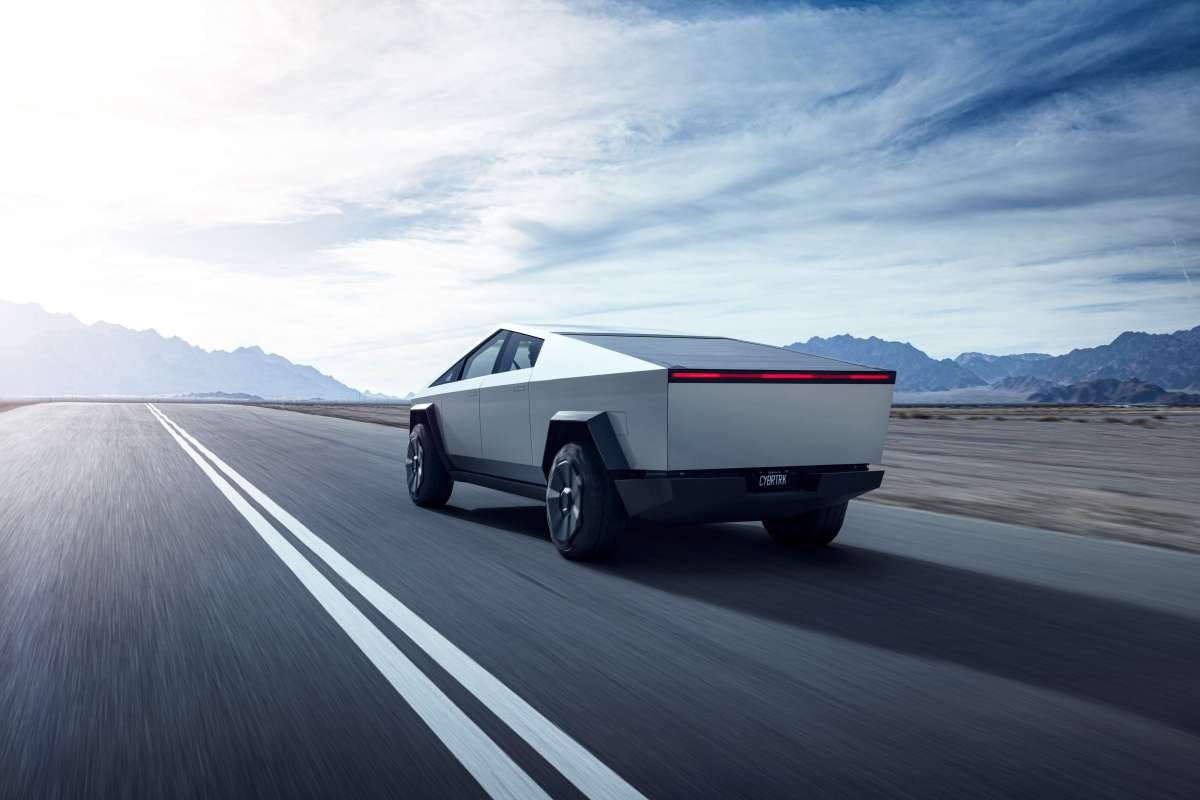
Tesla will stop producing its steel-clad Cybertruck electric pickup next year, according to chief executive officer Elon Musk. Musk confirmed the manufacturing decision on X, explaining that the automaker will repurpose the assembly floor at its Texas factory to build additional units of its two-seater Cybercab robotaxi. The planned wind-down marks the end of a vehicle once touted as central to the company's manufacturing footprint, as detailed in TechCrunch's report on the abrupt pipeline realignment.
This report covers the factory transition inside Tesla's manufacturing network, examining why assembly lines are changing, the sales numbers behind the cancellation, and how floor space reallocations support the automaker's autonomous vehicle ambitions. It is written for automotive industry observers, commercial fleet managers, electric vehicle buyers, and technology analysts tracking how major automakers reallocate capital and physical capacity away from niche consumer utility trucks and toward automated transportation fleets.
Tesla will stop making the Cybertruck in 2027: what actually changed
Tesla confirmed on X through chief executive Elon Musk that the company will halt production of the Cybertruck next year, vacating the assembly footprint at its Texas facility. The factory space previously dedicated to the stainless-steel vehicle will be converted to produce two-seater Cybercab robotaxis. The truck is the third product line Tesla has discontinued this year to clear manufacturing capacity for automated systems. Earlier in the year, the company ended production of its Model S sedan and Model X sport utility vehicle, assigning that factory floor space to build Optimus humanoid robots instead.
The decision terminates a vehicle that once served as the central focus for constructing the Texas site, which Tesla initially referred to as the Cybertruck factory. When customer deliveries began in late 2023, Musk predicted that annual sales would reach around 250,000 units. Delivery volumes never approached those projections, as total sales reached only tens of thousands of trucks across three years on the market. With delivery figures remaining low, management decided to retire the pickup and reassign the assembly bays to autonomous mobility hardware.
Tesla will stop making the Cybertruck in 2027: how it works
The manufacturing pivot relies on clearing physical plant lines inside the Texas facility to support volume production of the two-seater Cybercab robotaxi. Tesla has spent the last two months operating Cybercabs on public streets in its home city of Austin, Texas, logging road time with no major incidents reported to date. By removing the assembly tooling required for the Cybertruck's rigid steel body, plant technicians can retool the Austin bays to manufacture autonomous passenger vehicles designed specifically for driverless transit rather than personal consumer utility.
The transition mirrors the process the company carried out earlier this year when shutting down production lines for the Model S and Model X. In that earlier shift, factory bays dedicated to luxury passenger vehicles were cleared and refitted to support manufacturing for Optimus humanoid robots. Tesla is repeating that operational model in Austin, substituting low-volume pickup manufacturing for autonomous robotics hardware. The reallocation ensures that existing factory infrastructure remains utilized while pivoting manufacturing output toward autonomous ride-hailing and robotics hardware.
Advertisement
Tech Pulse Daily
Get tomorrow's pulse first
Join engineers who read Tech Pulse before stand-up. Free, weekday mornings.
Tesla will stop making the Cybertruck in 2027: why it matters
The cancellation highlights the divide between the Cybertruck's initial promises and its commercial performance. First announced in 2019, the pickup was an obsession for Musk, who stated on an earnings call that year that an amazing pickup truck was his personal favorite for the company's next product. Drawing inspiration from cyberpunk science fiction stories like Blade Runner, the vehicle attracted attention during its 2019 reveal when head designer Franz von Holzhausen cracked the windows with steel balls. However, the production truck missed its original technical targets.
During the 2019 reveal, Tesla claimed the truck would start below $40,000 and offer up to 500 miles of driving range. When handovers began in late 2023 following two years of pandemic delays, the base price had inflated to around $60,000, and top-end range had shrunk by over 100 miles. At the handover event, Musk stood in a truck bed calling it the finest in apocalyptic equipment for late civilization vibes, but buyers balked at the elevated pricing and polarizing styling.
Tesla will stop making the Cybertruck in 2027: who is affected
The shutdown affects consumer truck buyers and reservation holders who followed the unconventional electric pickup since its initial introduction. The vehicle struggled with an unusual geometric design that failed to find broad commercial acceptance, particularly after customer pricing came in higher than originally promised. Market reception deteriorated further during 2024 when Musk became a major financial backer of Donald Trump, turning the distinctive stainless-steel vehicle into a visible target for political protesters across multiple metropolitan areas where the trucks were driven.
Consumer backlash expanded during 2025 as Musk led the Department of Government Efficiency, an entity that fired thousands of federal workers. The political controversies surrounding corporate leadership further hindered market sales for a vehicle that delivered only tens of thousands of units over three full years. Meanwhile, manufacturing personnel in Austin will see their daily assignments shift from assembling consumer utility trucks to building autonomous passenger vehicles and ramping commercial deployment of robotaxis intended for urban ride networks.
Tesla will stop making the Cybertruck in 2027: what to watch
Transportation analysts will monitor the operational rollout of the Cybercab, which is slated to expand beyond Austin into Dallas later this month. Tesla also operates robotaxi versions of its Model Y sport utility vehicles in Austin, Houston, and Dallas, as well as three cities in Florida. Observers will track whether the automaker can successfully scale its dedicated two-seater Cybercab hardware from initial trials in Texas to broader commercial transit fleets without encountering regulatory setbacks or operational disruptions.
Observers will also watch how efficiently Tesla transitions the Texas factory floor from pickup production to autonomous vehicle manufacturing next year. With the Model S, Model X, and Cybertruck discontinued, Tesla has eliminated three vehicle lines within a single year to prioritize artificial intelligence, robotaxis, and Optimus robotics. The key metric will be whether the plant space that generated tens of thousands of consumer pickups can manufacture enough Cybercabs to support expanding ride-hailing networks across Texas and Florida.
Developer Action Items
- ☐ Verify the claim on the official Tesla page (or TechCrunch), not from this recap alone.
- ☐ Name the surface that moved — API, policy, model, hardware, or commercial terms — before you Slack the thread.
- ☐ Assign one owner a day to read the primary material and decide: this-sprint, this-quarter, or noise.
- ☐ Do not change production on day-one coverage. Watch the vendor changelog and one independent write-up first.
Tesla will stop making the Cybertruck in 2027 FAQ
When will Tesla stop manufacturing the Cybertruck?
Tesla plans to halt Cybertruck production next year, in 2027, according to an announcement on X by chief executive Elon Musk.
Why is Tesla canceling the Cybertruck?
Tesla decided to end production after delivering only tens of thousands of units over three years, falling far short of its 250,000 annual target, and will use the factory space to build two-seater Cybercab robotaxis.
What other vehicles has Tesla discontinued this year?
Tesla discontinued its Model S sedan and Model X SUV earlier this year to repurpose factory capacity for manufacturing Optimus humanoid robots.
Where does Tesla currently test and operate its Cybercabs?
Tesla has operated Cybercabs on streets in Austin, Texas, for the past two months with no major incidents, and plans to expand Cybercab testing to Dallas later this month.
Sources

Author
Dillip Chowdary
Writes Tech Bytes coverage of AI, engineering, and the tools that actually ship. Editor of Tech Pulse Daily.
Related on Tech Bytes
Advertisement