The FAA is finally ditching floppy disks
Transportation Secretary Sean Duffy announced the FAA is replacing 3.5-inch floppy disks with the digital E-IDS platform across 435 air traffic control sites.
By Dillip Chowdary • Nov 07, 2026 • Source: The Verge
Transportation Secretary Sean Duffy announced on Thursday that the Federal Aviation Administration is initiating a nationwide deployment of the Enterprise – Information Display System to retire the 3.5-inch magnetic floppy disks that still underpin critical portions of American airspace operations. Detailed in The Verge's report, the initiative replaces four disconnected legacy monitoring setups across hundreds of air traffic control facilities with a unified digital dashboard. The rollout aims to modernize critical infrastructure that has relied for decades on outdated physical media and aging copper wiring to manage flight operations.
This technical analysis examines the operational capabilities of the E-IDS platform, the hardware and software transition timelines through 2028, and the underlying contractual history with defense contractor Leidos. The breakdown is written for aviation engineers, enterprise infrastructure architects, and public-sector technology leaders who need a factual accounting of the upgrade path without political framing. Readers will find verified deployment figures across regional hubs, audited metrics from federal oversight reports, and an objective assessment of systemic bottlenecks facing national airspace automation.
What FAA is finally ditching floppy disks shipped
The Federal Aviation Administration has packaged the Enterprise – Information Display System as an integrated operational environment designed to consolidate multiple disparate terminal streams. Rather than requiring air traffic specialists to juggle isolated screens and physical media, the platform aggregates real-time weather alerts, active equipment outage registries, restricted airspace boundary adjustments, and incoming pilot reports onto a centralized digital interface. The software deployment eliminates manual data entry procedures and physical 3.5-inch magnetic disk swaps that personnel previously used to update critical flight information across regional sectors.
Initial operational capabilities have launched across five primary aviation hubs, establishing baseline performance metrics in Atlantic City, Nashville, Rochester, Atlanta, and Salt Lake City. The agency intends to expand the software baseline to 435 facilities before the conclusion of 2028, systematically decommissioning the physical disk drives and copper wire conduits that Transportation Secretary Sean Duffy cited during public demonstrations. Duffy stated that floppy disks are out and twenty-first century technology is in, framing the software distribution as an essential baseline transition away from late-twentieth-century computing media across high-density airspace sectors.
What changed for builders in FAA is finally ditching floppy disks
For systems engineers and defense integrators, the transition replaces four fragmented information architectures with a standardized data feed specified under federal aerospace contracts. A September 2024 Government Accountability Office audit revealed that 90 percent of critical air traffic control infrastructure was due or past due for a technology refresh, creating acute maintenance liabilities for operational engineers. Furthermore, federal evaluators categorized nearly half of 138 surveyed terminal systems as unsustainable or potentially unsustainable due to chronic funding shortfalls, vanishing component supply chains, and an acute scarcity of technicians trained on legacy architectures.
| Metric or Infrastructure Scope | Legacy Infrastructure Baseline | E-IDS Modernization Target |
|---|---|---|
| Physical Storage Media | 3.5-inch magnetic floppy disks | Networked real-time data feeds |
| Disparate Display Systems | 4 disconnected legacy setups | 1 consolidated digital dashboard |
| Operational Facility Footprint | 5 initial demonstration sites | 435 facilities by end of 2028 |
| GAO Infrastructure Health | 90 percent due for technology refresh | Standardized enterprise refresh cycle |
| Federal Modernization Funding | $12.5 billion down payment in 2025 | $30 billion additional appropriation |
Defense contractor Leidos, based in Reston, Virginia, engineered the system under an FAA procurement award dating back to August 2020 during the first Trump administration. The shift moves field personnel from air-gapped diskette updates to authenticated digital interfaces, resolving severe parts availability shortages that left technicians scavenging obsolete components. The digital pipeline directly interfaces with real-time pilot report queues and automated sector boundary monitors, establishing a programmatic telemetry layer that eliminates physical media handling from active tower operations.
How to install or upgrade FAA is finally ditching floppy disks
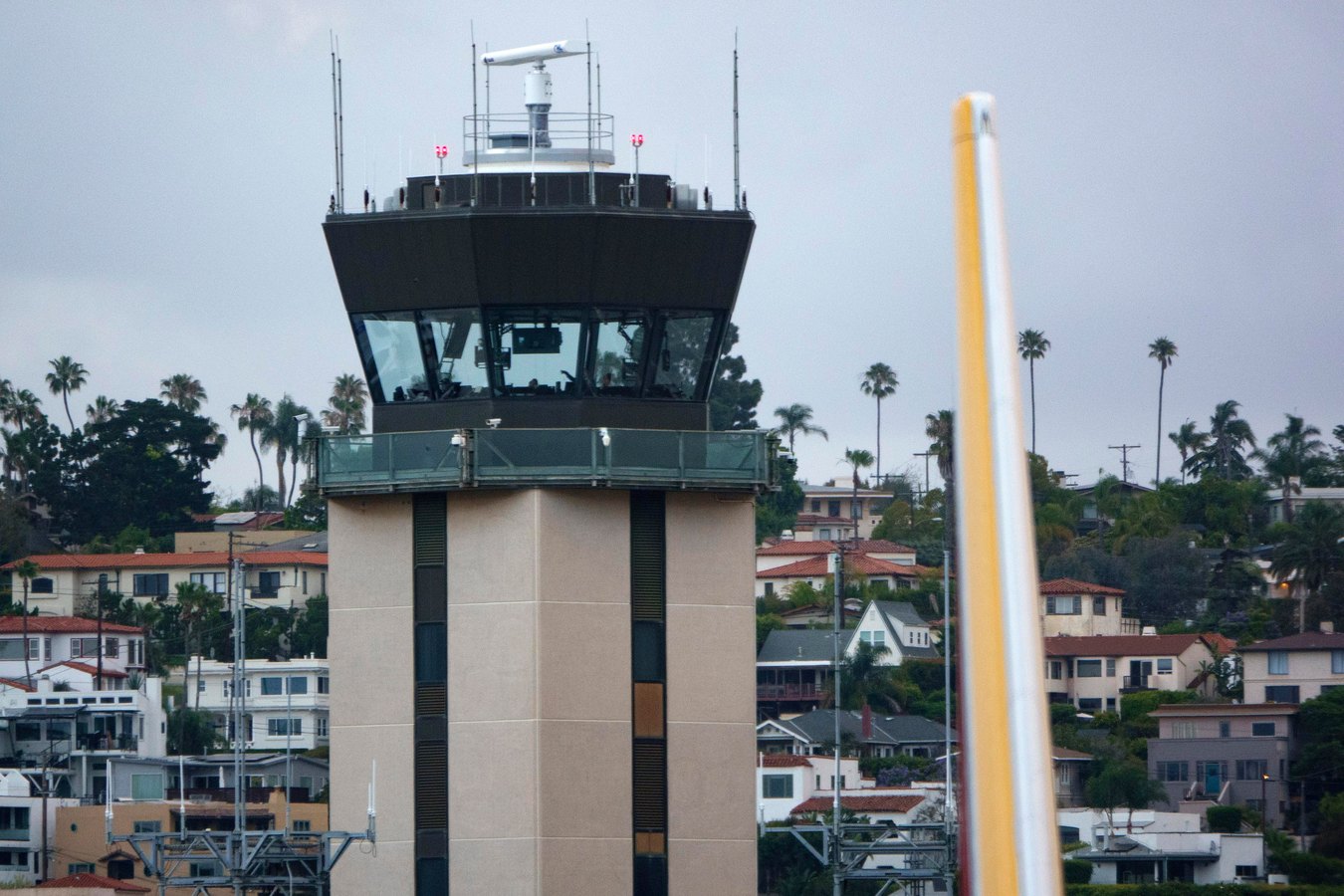
Facility rollouts follow an incremental phased deployment schedule managed jointly by FAA technical operations and Leidos field engineering teams. The deployment protocol began with rigorous site validation tests across control towers in Atlantic City and Rochester before advancing to high-traffic terminal radar approach control facilities in Atlanta, Nashville, and Salt Lake City. Because the deployment involves mission-critical flight safety parameters, installation teams execute parallel operational runs to ensure data parity across local weather feeds and equipment outage notification channels before severing legacy connections.
Advertisement
Tech Pulse Daily
Get tomorrow's pulse first
Join engineers who read Tech Pulse before stand-up. Free, weekday mornings.
Enterprise operators and development teams maintaining automated CLI tooling and client workstations alongside agency deployments utilize standardized command structures to update environments, switch model baselines, or pin execution versions:
npm install -g @anthropic-ai/claude-code/model fableclaude --model fableclaude config set model fableEngineering teams executing terminal cutovers must complete structured verification gates across all incoming telemetry feeds before formal commissioning. System administrators verify that real-time pilot reports, airspace restriction notices, and meteorological radar inputs stream without frame loss or synchronization delays across the new digital display architecture. Once site certification documentation receives regional approval, maintenance crews physically disconnect legacy drive enclosures, archive existing diskette libraries according to federal records requirements, and transition active watch teams entirely to the modernized display panels.
Gotchas and compatibility in FAA is finally ditching floppy disks
Replacing physical diskettes with modern monitors addresses visual data consolidation but leaves fundamental structural vulnerabilities intact across the national airspace system. Aviation safety records highlight that the agency has experienced recurring ground stops, dangerous runway close calls—including a documented incident involving Donald Trump—and catastrophic software breakdowns exemplified by the nationwide 2023 NOTAM outage. Transitioning display terminals does not overhaul the fragile, decades-old backend compute clusters that process foundational flight routing logic, leaving critical network dependencies vulnerable to sudden cascading failures.
The operational ceiling of the new display system remains severely constrained by persistent personnel shortages across regional air traffic control hubs. Facilities nationwide continue to operate under a crippling deficit of thousands of certified professional controllers, driving chronic workforce fatigue and compulsory overtime schedules that display hardware cannot alleviate. While the digital interface reduces clerical latency during sector handoffs, human controllers still shoulder extreme cognitive workloads, meaning upgraded visual panels provide limited risk mitigation against systemic staffing depletion and operational bottlenecks.
What to watch after FAA is finally ditching floppy disks
Federal aviation policy now centers on securing massive fiscal appropriations to support broader automation programs beyond display modernization. Transportation Secretary Sean Duffy is currently lobbying Congress for an additional $30 billion appropriation, intended to build upon the $12.5 billion modernization down payment secured in 2025. Oversight committees will closely monitor whether these requested capital investments translate into comprehensive backend refactoring or remain confined to localized terminal display refreshes across the remaining 430 facilities scheduled through 2028.
Workforce development and procurement partnerships represent the final critical variables shaping long-term system modernization. The Department of Transportation has launched specialized recruitment drives targeting video gamers to replenish depleted air traffic controller training pipelines at the FAA Academy. Concurrently, executive leadership is leaning on prominent technology figures, including Elon Musk and Peter Thiel, to advise on private-sector contracting methodologies, creating an evolving operational dynamic between legacy defense suppliers like Leidos and non-traditional software vendors attempting to overhaul federal aviation infrastructure.
Developer Action Items
- ☐ Diff the official changelog for FAA finally ditching floppy 3.5 before you bump — APIs, defaults, and removed flags only.
- ☐ Install through the vendor's documented channel in staging; keep a one-command rollback and time-box the canary.
- ☐ Grep your repo for old flag names, lockfile pins, and plugin versions that the notes mark as breaking.
- ☐ Prefer the first patch cut over the day-zero tag unless you have a reason to be on the leading edge.
- ☐ If The Verge did not name a region, plan, or SKU, screenshot the official availability line before you promise it to users.
FAA is finally ditching floppy disks FAQ
What specific capabilities does the E-IDS platform introduce to control facilities?
The platform replaces four legacy setups by aggregating real-time weather alerts, equipment outages, restricted airspace changes, and pilot reports onto a unified digital dashboard.
Who originally received the contract to construct the E-IDS system?
The Federal Aviation Administration awarded the initial contract to defense contractor Leidos, based in Reston, Virginia, in August 2020.
How many facilities are scheduled to receive the display upgrade?
Following initial deployments across five sites, the agency plans to expand the system to 435 air traffic facilities by the end of 2028.
What critical operational challenges remain unresolved by removing floppy disks?
The upgrade does not address severe controller staffing shortages, chronic workforce burnout, or underlying legacy software vulnerabilities like those that caused the 2023 NOTAM outage.
Sources

Author
Dillip Chowdary
Writes Tech Bytes coverage of AI, engineering, and the tools that actually ship. Editor of Tech Pulse Daily.
Related on Tech Bytes
Advertisement