Vulcan rocket fails during return-to-flight launch, 40 Amazon satellites
United Launch Alliance lost 40 Amazon Leo satellites when its Vulcan Centaur rocket failed ten minutes into flight during a return mission from Florida.
By Dillip Chowdary • Nov 15, 2026 • Source: space.com
At a glance
- Rocket
- Vulcan Centaur
- Operator
- United Launch Alliance
- Payload
- 40 Amazon Leo satellites
- Launch site
- Space Launch Complex 41
- Launch date
- Nov. 15, 2026
- Mission status
- Lost after flight anomaly at ten minutes
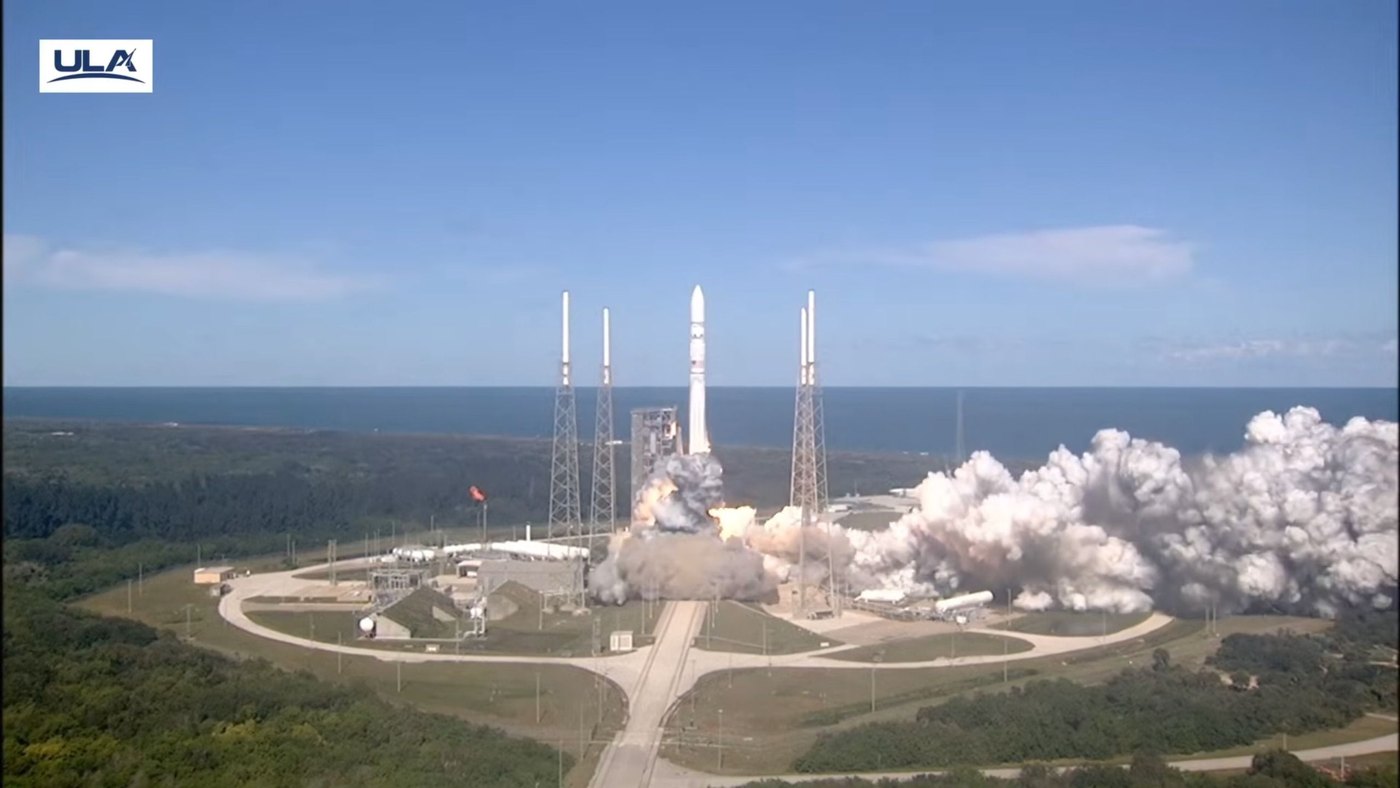
United Launch Alliance launched its Vulcan Centaur rocket from Space Launch Complex 41 at Cape Canaveral Space Force Station on Nov. 15, carrying 40 Amazon Leo broadband satellites. Ten minutes after liftoff, the vehicle suffered a flight anomaly and failed to reach orbit, destroying the entire payload. According to space.com's report, the contractor confirmed fifty minutes after launch that the mission was lost while engineering teams review telemetry.
This report details the flight timeline, the nine-month return effort following previous booster nozzle defects, and the operational fallout for Amazon's orbital broadband network. It provides aerospace engineers, telecommunications planners, and satellite fleet operators with a verified factual record of the mission loss, hardware history, and launch distributions across competing broadband constellations.
01Ten minute flight anomaly at Cape Canaveral
Liftoff occurred at 12:40 p.m. Eastern Time, or 1740 GMT, from Space Launch Complex 41 at Cape Canaveral Space Force Station.
The Vulcan Centaur rocket climbed into the sky on the Vulcan Leo 1 mission. The vehicle carried forty internet satellites destined for low Earth orbit.
The ascent continued until ten minutes after liftoff, when telemetry confirmed an unexpected anomaly that prevented orbital insertion. United Launch Alliance acknowledged the mission failure in an official statement on X fifty minutes after launch. The launch director confirmed the rocket failed to deliver the Amazon payload to orbit.
Flight controllers reported that specific telemetry and performance numbers remained pending analysis after the incident. Because the anomaly occurred during active ascent, engineering personnel could not immediately pinpoint the root cause. The loss marked the first failure to deliver payload to orbit in the Vulcan Centaur program.
02Booster nozzle history and military launch pause
The Vulcan Centaur vehicle debuted in January 2024 as the planned operational successor to the Atlas V rocket. Across four previous operational launches, the rocket encountered booster nozzle defects on two separate flights. In October 2024 and February 2026, a solid booster nozzle burned through and detached thirty seconds after liftoff.
During both previous anomalies, the vehicle overcame booster performance degradation and delivered its payloads to space. However, the United States Space Force raised concerns regarding the recurring defect on its contracted missions. Because Vulcan's third and fourth flights carried national security payloads, military officials paused subsequent Vulcan launches pending fixes.
The military pause kept Vulcan Centaur grounded for nine months while joint teams redesigned the solid rocket booster hardware. The stand-down required engineers to review manufacturing records, material tolerances, and structural stress models. That engineering effort aimed to ensure booster reliability before national security and commercial launches resumed.
03Return to flight and separate vehicle failure
Advertisement
Tech Pulse Daily
Get tomorrow's pulse first
Join engineers who read Tech Pulse before stand-up. Free, weekday mornings.
United Launch Alliance announced in an update on Oct. 28 that engineering teams had resolved the solid booster anomalies. Investigators identified several potential contributors to the nozzle burn-through events seen on earlier flights. The contractor subsequently implemented design modifications and assembly process improvements to eliminate the booster flaw.
During the Nov. 15 launch, the strap-on solid rocket boosters functioned as expected throughout early ascent. Visual tracking and telemetry indicated that the modified nozzles sustained structural integrity during the initial burn. The booster operation confirmed that the nine-month nozzle redesign had resolved the earlier separation problem.
Despite the booster success, a separate issue emerged later in the flight profile that the vehicle could not overcome. The anomaly manifested ten minutes after liftoff, well after booster separation had finished. This failure prevented the upper stage from reaching orbit and terminated the return-to-flight mission.
04Amazon Leo constellation and satellite deployment deficit
The lost payload represented a major build-out increment for Amazon's low Earth orbit broadband constellation, formerly known as Project Kuiper. The satellite initiative, now called Amazon Leo, plans to deploy more than 3,200 satellites into low Earth orbit. The network is designed to deliver broadband internet and compete directly with SpaceX's Starlink.
Prior to this launch, Amazon had placed roughly 400 satellites in orbit across 15 successful launches. Amazon distributed those previous deployments across three different rockets, using the Atlas V, Falcon 9, and Ariane 6. The Nov. 15 flight was the first time an Amazon Leo mission launched on Vulcan Centaur.
The loss of forty spacecraft in a single launch removes a full deployment tranche from Amazon's schedule. Amazon Leo must now coordinate subsequent manifest slots across remaining launch providers while the Vulcan vehicle undergoes investigation. The incident leaves the constellation dependent on Atlas V, Falcon 9, and Ariane 6.
05Commercial spaceflight activity and weekend launch milestones
The Vulcan Leo 1 launch took place during a concentrated window of commercial spaceflight activity across Florida and Texas. On Friday, Nov. 13, SpaceX launched its Starship megarocket on a test flight featuring the first-ever catch of the Ship upper stage. That test demonstrated major recovery progress for commercial aerospace.
Early Saturday morning on Nov. 14, Rocket Lab reached an operational milestone by launching its 100th mission. The Rocket Lab flight successfully delivered a private Japanese Earth-observing satellite into Earth orbit. These consecutive commercial missions demonstrated the high cadence currently managed by orbital launch providers and tracking ranges.
The Vulcan Centaur failure contrasts with those orbital milestones, leaving United Launch Alliance facing fresh technical investigations. As teams analyze data from the ten-minute flight mark, commercial and defense customers await telemetry findings. The resulting review will determine when the rocket can resume flying commercial and military missions.
Frequently asked questions
What caused the failure of the Vulcan Centaur rocket?
United Launch Alliance confirmed an anomaly occurred ten minutes after liftoff from Space Launch Complex 41. The company stated that specific engineering data is not yet available to determine the exact root cause.
How many Amazon satellites were lost during the mission?
The launch carried 40 broadband satellites bound for the Amazon Leo low Earth orbit constellation. All 40 payloads were lost when the rocket failed to deliver them to orbit.
Why was this flight significant for United Launch Alliance?
The mission was Vulcan Centaur's return to flight after a nine-month pause following booster nozzle issues on earlier missions. It also marked the rocket's first mission launching broadband hardware for Amazon Leo.
How does this mission impact Amazon Leo's constellation goals?
Amazon plans to deploy more than 3,200 satellites to compete with SpaceX's Starlink network. Prior to this loss, Amazon had placed roughly 400 satellites into space across 15 previous launches using Atlas V, Falcon 9, and Ariane 6 rockets.
Sources

Author
Dillip Chowdary
Writes Tech Bytes coverage of AI, engineering, and the tools that actually ship. Editor of Tech Pulse Daily.
Related on Tech Bytes
Advertisement