Waymo confirms it will split with Uber in January 2028
Waymo will end exclusivity with Uber in Austin and Atlanta starting January 2028 to launch its own direct booking app ahead of the original May 2028 deadline.
By Dillip Chowdary • Nov 07, 2026 • Source: TechCrunch
Waymo will end its exclusive ride-hailing arrangement with Uber in Austin and Atlanta starting in January 2028. The company will launch rides through its own mobile app in both cities, matching its setup in other markets. Co-CEO Tekedra Mawakana confirmed the shift to Bloomberg News. As detailed in TechCrunch's report, the move alters an agreement originally set to run through May 2028.
This report examines the revised contract timeline, the dual-app booking mechanics, and the strategic reasons behind the split. It is written for commuters, mobility analysts, and industry observers tracking autonomous fleet distribution in major southern markets.
Waymo it will split with Uber in January 2028: what actually changed
Waymo is ending its exclusive partnership with Uber in Austin and Atlanta beginning in January 2028. The autonomous vehicle developer will offer rides directly through its own smartphone application, mirroring its operational approach in other cities. Financial Times previously reported that Waymo was exploring an exit from the Uber partnership, which was originally scheduled to expire in May 2028. Co-CEO Tekedra Mawakana confirmed the updated schedule, concluding market exclusivity five months earlier than initial contract terms dictated for the two metropolitan areas.
The announcement modifies exclusivity rights rather than severing ties between the two companies. Uber confirmed that it still plans to host Waymo robotaxis on its app for as long as both companies agree. Instead of maintaining sole distribution across Austin and Atlanta, Uber will operate alongside Waymo's standalone consumer app. Waymo did not immediately respond to inquiries regarding future vehicle allocation numbers. The decision removes Uber's exclusive lock on autonomous bookings while keeping the door open for ongoing cooperative ride-hail integration across both cities.
Waymo it will split with Uber in January 2028: how it works
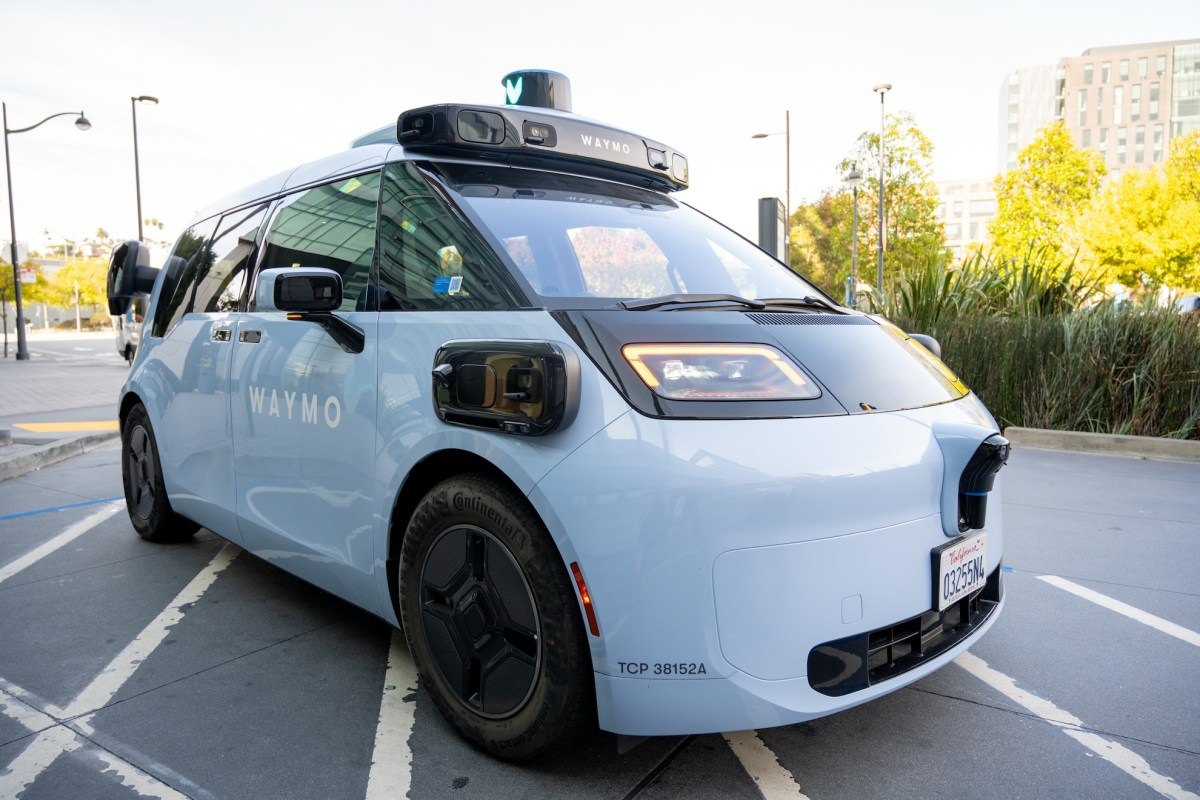
Starting in January 2028, riders in Austin and Atlanta will access Waymo vehicles through two separate digital booking channels. Passengers seeking autonomous transit can download Waymo's standalone smartphone app to hail a robotaxi directly. Trips ordered through Waymo's proprietary software ensure an autonomous car for every dispatch, replicating the experience found in other commercial markets. This independent route allows consumers to connect with driverless vehicles directly, bypassing third-party ride-hailing networks and ensuring predictable service without third-party intermediaries handling their mobile trip bookings.
At the same time, Uber will continue offering Waymo rides within its application under a shared model. In Uber's ecosystem, robotaxis currently mix with human-driven cars in a shared dispatch pool. Uber told Bloomberg that it was Waymo's decision not to include a dedicated booking toggle in the Uber app. Because of that omission, users requesting a ride cannot choose a robotaxi specifically, leaving vehicle assignment uncertain. The upcoming structure allows commuters to pick between Uber's mixed vehicle matching and Waymo's dedicated autonomous service.
Advertisement
Tech Pulse Daily
Get tomorrow's pulse first
Join engineers who read Tech Pulse before stand-up. Free, weekday mornings.
Waymo it will split with Uber in January 2028: why it matters
Waymo originally partnered with Uber because the platform offered massive scale across active metropolitan passenger markets. However, the resulting user experience created operational friction for the autonomous company. Tekedra Mawakana stated that hailing a ride on Uber became a little bit of a crapshoot because passengers never knew whether they would receive a robotaxi or a human driver. Waymo received persistent feedback from riders in Austin and Atlanta wanting direct access. Mawakana explained that maintaining a direct relationship with the rider is essential, prompting the decision to regain control over passenger interactions.
The revised strategy introduces direct competition between two prominent partners in the autonomous mobility sector. Uber works with many robotaxi and autonomous vehicle partners, positioning its network as a universal platform for driverless fleets. When Waymo launches its independent app in Austin and Atlanta, Uber will compete directly against a provider it previously hosted exclusively. The end of exclusivity shows that autonomous driving developers prioritize owning customer relationships and direct booking data over relying entirely on third-party aggregators, reshaping how technology partners collaborate with traditional ride-hailing networks.
Waymo it will split with Uber in January 2028: who is affected
Commuters in Austin and Atlanta will experience direct impacts when booking driverless rides across the two cities. Currently, riders using Uber cannot specifically hail a Waymo vehicle due to the lack of an in-app selection option. When January 2028 arrives, local passengers who want guaranteed autonomous rides can open Waymo's standalone app to request a vehicle directly. Users who remain on Uber will still have access to the broader mixed fleet. This gives regional passengers explicit control over their transit experience instead of relying on unpredictable dispatch outcomes during everyday trips.
Both corporate entities must also adjust their local operations to accommodate the non-exclusive model. Waymo must establish direct customer support, rider acquisition, and payment operations for Austin and Atlanta through its proprietary mobile platform. Meanwhile, Uber, which counts multiple autonomous vehicle developers among its commercial partners, must balance fleet allocations as Waymo deploys cars onto its own app. Uber will continue to manage passenger dispatch across its partner network, ensuring that driverless transit remains accessible on its platform even as Waymo builds an independent consumer presence across both metropolitan regions.
Waymo it will split with Uber in January 2028: what to watch
Operational preparation ahead of January 2028 will serve as an indicator of how fleet capacity transitions. Observers will track whether Waymo begins testing its standalone app in Austin and Atlanta before the formal launch date. Financial Times previously highlighted that Waymo sought to leave the deal before May 2028, showing that discussions about the partnership timeline developed over several months. Monitoring how Waymo balances vehicle supply between its own app and Uber's platform will reveal whether the autonomous developer intends to scale down its Uber integration over time.
Another critical area to watch is how Uber deploys other autonomous vehicle partners across Austin and Atlanta. Uber confirmed that it plans to keep hosting Waymo robotaxis for as long as both companies agree, maintaining a shared presence. However, Uber has established relationships with multiple autonomous vehicle operators across the transportation sector. How Uber integrates these alternative partners will show whether the aggregator can maintain stable autonomous ride availability if Waymo prioritizes its proprietary app. The coming period will test whether multi-partner platforms can retain riders when hardware providers launch competing direct services.
Developer Action Items
- ☐ Verify the claim on the official Waymo confirms split Uber page (or TechCrunch), not from this recap alone.
- ☐ Name the surface that moved — API, policy, model, hardware, or commercial terms — before you Slack the thread.
- ☐ Assign one owner a day to read the primary material and decide: this-sprint, this-quarter, or noise.
- ☐ Do not change production on day-one coverage. Watch the vendor changelog and one independent write-up first.
Waymo it will split with Uber in January 2028 FAQ
When will Waymo end its exclusivity agreement with Uber?
Waymo will end its exclusive partnership with Uber in Austin and Atlanta in January 2028, five months before the original May 2028 expiration date.
Will Waymo robotaxis still be available on the Uber app after January 2028?
Yes, Uber confirmed it still plans to host Waymo robotaxis on its app for as long as both companies agree to commercial terms.
Why did Waymo decide to end the exclusive deal in Austin and Atlanta?
Co-CEO Tekedra Mawakana explained that Waymo wanted a direct relationship with riders after receiving feedback that hailing on Uber was unpredictable because passengers never knew if they would get a robotaxi or a human driver.
Can riders currently choose a robotaxi specifically inside the Uber app?
No, Uber stated that it was Waymo's decision not to add a feature in the Uber app that lets passengers select a robotaxi directly.
Sources

Author
Dillip Chowdary
Writes Tech Bytes coverage of AI, engineering, and the tools that actually ship. Editor of Tech Pulse Daily.
Related on Tech Bytes
Advertisement