Waymo confirms it’s shaking up its Uber relationship in January 2028
Waymo will end its exclusive ride-hailing pact with Uber across Austin and Atlanta in January 2028 to launch direct passenger rides on its own smartphone app.
By Dillip Chowdary • Nov 07, 2026 • Source: TechCrunch
Waymo will end its exclusive ride-hailing arrangement with Uber in Austin and Atlanta in January 2028, co-CEO Tekedra Mawakana confirmed to Bloomberg News in TechCrunch's report. Waymo plans to offer rides directly through its own mobile application while keeping vehicles on Uber, concluding the exclusive partnership earlier than the original May 2028 expiration.
This report examines the contractual shift, dispatch mechanics, rider feedback considerations, and platform competition unfolding across Texas and Georgia. The breakdown is structured for enterprise mobility strategists, dispatch software engineers, and urban commuters navigating app-based transportation options.
Waymo it’s shaking up its Uber relationship: what actually changed
The change centers on ending market exclusivity between Waymo and Uber in Austin and Atlanta five months ahead of schedule. Waymo co-CEO Tekedra Mawakana confirmed that the exclusive distribution arrangement will conclude in January 2028 rather than the May 2028 expiration date originally established by the two companies. By concluding exclusivity early, Waymo frees its autonomous fleet from operating solely through Uber's regional network. The partnership transitions into an open arrangement where Waymo introduces its own consumer application while still allowing Uber dispatches.
This operational shift verifies reporting published earlier this year by the Financial Times, which revealed that Waymo was actively exploring avenues to exit its agreement with Uber. While Waymo did not immediately respond to supplemental inquiries for comment following the announcement, Uber clarified to reporters that it still plans to host Waymo robotaxis on its platform for as long as both businesses agree. The change does not remove autonomous vehicles from Uber, but eliminates the contractual barrier preventing Waymo's standalone ride-hailing service.
Waymo it’s shaking up its Uber relationship: how it works
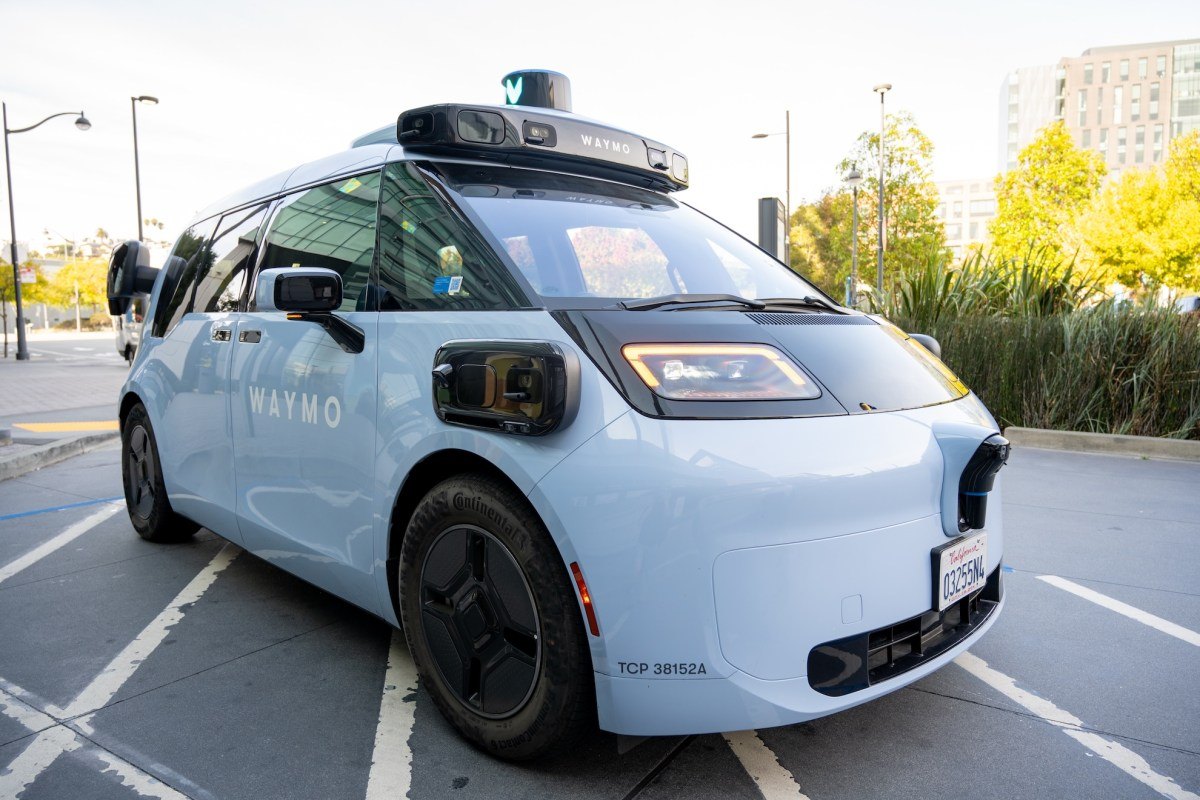
Operationally, the transition allows Waymo to launch its standalone smartphone booking application in Austin and Atlanta, matching the direct consumer model it already operates in other markets. Passengers seeking autonomous rides in those cities will be able to download the Waymo application to hail, route, and pay for trips directly. In parallel, Uber intends to retain Waymo robotaxis inside its multi-modal ecosystem, dispatching autonomous vehicles when ride criteria match available units. This dual framework lets Waymo build direct customer connections while maintaining secondary demand through Uber's platform.
The operational setup also clarifies how vehicle matching works inside the Uber interface. Uber told Bloomberg that it was Waymo's decision not to add an option within the Uber app to book an autonomous vehicle directly. Under the existing integration, riders hailing an Uber trip cannot know with certainty whether the system will assign a robotaxi or a human-driven vehicle. Starting in January 2028, riders who book through the dedicated Waymo application will bypass this uncertainty, ensuring every trip requested through the proprietary interface is completed by an autonomous vehicle.
Advertisement
Tech Pulse Daily
Get tomorrow's pulse first
Join engineers who read Tech Pulse before stand-up. Free, weekday mornings.
Waymo it’s shaking up its Uber relationship: why it matters
The decision to end exclusivity stems directly from rider feedback and consumer experience challenges under the current distribution model. Tekedra Mawakana explained that while Waymo initially partnered with Uber because the ride-hailing provider offered rapid scale, the passenger experience proved unpredictable. Mawakana noted that the process was a little bit of a crapshoot for riders because they never knew whether a robotaxi or a traditional human-driven vehicle would arrive. Ending exclusivity allows Waymo to take full control over passenger booking, trip clarity, and brand consistency across both municipal markets.
Direct passenger engagement is central to Waymo's commercial strategy as autonomous fleets mature. Mawakana stated that maintaining a direct relationship with riders is essential, citing explicit feedback from passengers who used the service in Austin and Atlanta. Relying exclusively on third-party aggregation separated Waymo from its user base and obscured direct digital interactions. By launching its own application while continuing partner dispatches, Waymo secures direct brand loyalty, unmediated consumer feedback, and improved service oversight across its active regional commercial deployments in Texas and Georgia.
Waymo it’s shaking up its Uber relationship: who is affected
The operational shift directly affects urban commuters in Austin and Atlanta who want reliable access to autonomous transportation. Under the exclusive framework, riders seeking robotaxi trips faced unpredictable vehicle assignments dictated by platform matching rules rather than personal choice. Once Waymo launches its direct app in January 2028, local passengers will gain the ability to choose between hailing a robotaxi through Waymo or booking through Uber's broader network. Commuters who specifically want driverless rides will no longer need to rely on random dispatch algorithms to secure an autonomous vehicle.
The transition also impacts Uber and its broader autonomous vehicle partner strategy. Uber maintains commercial relationships with multiple autonomous vehicle and robotaxi developers, positioning its network as a multi-partner aggregation platform. Concluding exclusivity introduces direct competition in Austin and Atlanta, as Uber will no longer be the sole consumer portal for Waymo rides in those territories. Uber will continue hosting Waymo vehicles alongside other autonomous partners, but must now compete directly against Waymo's proprietary app for ride bookings and customer loyalty in both cities.
Waymo it’s shaking up its Uber relationship: what to watch
Industry observers should monitor the commercial terms and fleet allocations between Waymo and Uber as the January 2028 deadline nears. Because Uber stated that it will host Waymo robotaxis only for as long as both companies agree, ongoing discussions regarding revenue distribution, vehicle availability, and platform hosting terms will dictate how many autonomous vehicles remain accessible via Uber. If corporate priorities diverge, either firm could reconsider the non-exclusive partnership. Fleet splits between the standalone Waymo app and Uber's platform will signal how effectively Waymo builds independent demand.
Another key indicator will be how Uber coordinates its diverse portfolio of autonomous partners across active operating regions. Because Uber works with several autonomous driving companies, its marketplace must balance competing supplier relationships while Waymo operates an independent booking app in the same markets. Watching consumer adoption trends in Austin and Atlanta will show whether riders prefer all-in-one ride-hailing aggregators or single-purpose apps that guarantee autonomous dispatches. The outcome will illustrate how platform aggregators and autonomous vehicle developers coexist in competitive commercial markets.
Developer Action Items
- ☐ Diff the official changelog for Framework before you bump — APIs, defaults, and removed flags only.
- ☐ Install through the vendor's documented channel in staging; keep a one-command rollback and time-box the canary.
- ☐ Grep your repo for old flag names, lockfile pins, and plugin versions that the notes mark as breaking.
- ☐ Prefer the first patch cut over the day-zero tag unless you have a reason to be on the leading edge.
- ☐ If TechCrunch did not name a region, plan, or SKU, screenshot the official availability line before you promise it to users.
Waymo it’s shaking up its Uber relationship FAQ
When will Waymo end its exclusivity with Uber in Austin and Atlanta?
Waymo will officially end its exclusive partnership with Uber in Austin and Atlanta starting in January 2028. This moves up the conclusion of exclusivity from the original agreement expiration date of May 2028.
Will Waymo robotaxis still be available on the Uber app after January 2028?
Yes, Uber confirmed that it still plans to host Waymo robotaxis on its app for as long as both companies agree. However, Waymo will no longer be exclusive to Uber and will offer rides through its own app as well.
Why did Waymo decide to change its partnership terms with Uber?
Co-CEO Tekedra Mawakana stated that Waymo wanted a direct relationship with riders following user feedback. Mawakana noted that the previous experience on Uber was unpredictable because passengers never knew whether they would receive an autonomous vehicle or a human-driven car.
Can riders currently choose a robotaxi specifically inside the Uber app?
No, Uber told Bloomberg that it was Waymo's idea not to include an option in the Uber app to book an autonomous vehicle directly.
Sources

Author
Dillip Chowdary
Writes Tech Bytes coverage of AI, engineering, and the tools that actually ship. Editor of Tech Pulse Daily.
Related on Tech Bytes
Advertisement