Zelda is back and better than ever: Hi, friends! Welcome to Installer No
The Legend of Zelda: Ocarina of Time returned in a new remake alongside Sony releasing sixty-dollar Walkman headphones and Bambu Lab selling the H3C printer.
By Dillip Chowdary • Nov 07, 2026 • Source: The Verge
The gaming world welcomed the return of Hyrule with the remake of The Legend of Zelda: Ocarina of Time, featured in The Verge's report by David Pierce in Installer No. 151 on November 7, 2026. Alongside the classic adventure revival, the release wave highlights Canva unifying its Affinity suite on iPad, Meta launching the free Instagram Edits application for Mac, and Sony reissuing its retro Walkman styling with the sixty-dollar MDR-3R headphones.
This report covers the full range of product launches and ecosystem updates across gaming, creator software, and consumer hardware. It details performance trade-offs like iOS 26 running on older hardware, developer testing protocols from Readwise cofounder Tristan Homsi, and emerging maker tools like the twenty-five hundred dollar Bambu Lab H3C three-dimensional printer evaluated by Sean Hollister.
Zelda is back and better than ever: what actually changed
The return of The Legend of Zelda: Ocarina of Time brings players back to the kingdom of Hyrule through a modernized remake that reintroduces the classic action-adventure quest. Modern players and creators are rediscovering its foundational dungeons alongside parallel shifts across personal computing, where Apple is testing the iPad Mini and touchscreen MacBook Pro alongside the updated Notion Calendar. Entertainment releases saw similar franchise continuity, with Godzilla Minus Zero reaching theaters three years after Godzilla Minus One debuted.
Creative production and desktop video editing also gained major new releases. Meta launched Instagram Edits for Mac as a free desktop application offering powerful editing capabilities to rival CapCut. Canva rebuilt its design software by unifying Affinity for iPad into a consolidated application mirroring its Mac counterpart, adding Apple Pencil support and touch-tailored photo editing tools. Meanwhile, Bambu Lab introduced the H3C, a twenty-five hundred dollar three-dimensional printer praised by Sean Hollister as a simpler, more foolproof fabrication machine.
Zelda is back and better than ever: how it works
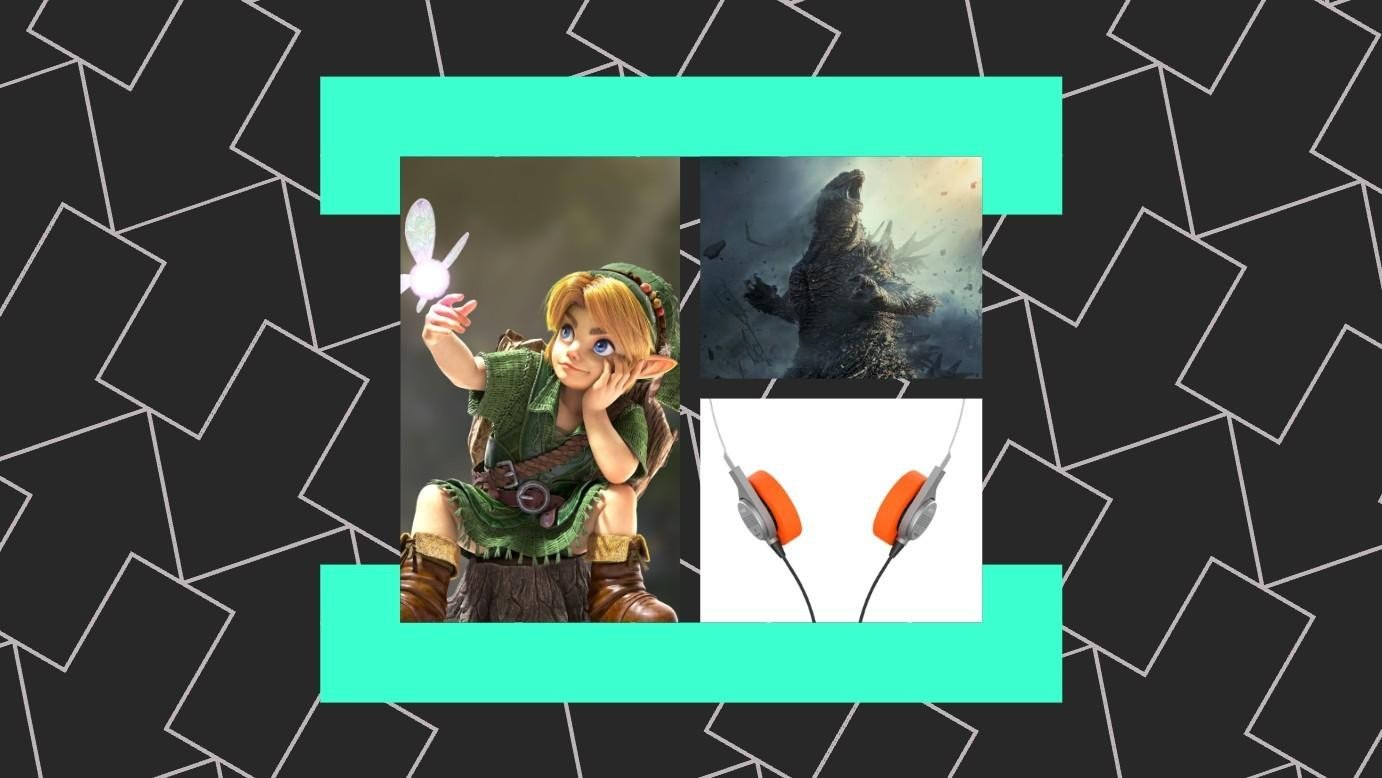
The architectural consolidation seen across recent releases streamlines previously fragmented creative tasks into cohesive platforms. Canva designed Affinity for iPad to house vector, graphic, and photo manipulation tools within a single interface, utilizing Apple Pencil integration and touch-friendly controls. For personal listening, Sony engineered the MDR-3R headphones to reproduce original late-seventies Walkman styling for sixty dollars. In mobile charging, Peak Design built the Kickstand Travel Battery to combine power delivery with an integrated kickstand mount tailored for watching media on planes and trains.
Mobile hardware accessories are adapting to dual-screen form factors, exemplified by the Moft Dynamic Folio Case designed for the iPhone Duo. Moft engineered multi-angle folding mechanisms that provide kickstand functionality beyond Apple standard options. In reading software, Readwise cofounder Tristan Homsi described how Readwise Books operates by combining reading tracking from Kindle, social cataloging from Goodreads, and community workout-style feeds from Strava. The reader application displays active books in homescreen widgets while notes synchronize into Readwise Reader and Highlights.
Advertisement
Tech Pulse Daily
Get tomorrow's pulse first
Join engineers who read Tech Pulse before stand-up. Free, weekday mornings.
Zelda is back and better than ever: why it matters
The lasting influence of Ocarina of Time highlights how enduring franchises anchor player attention, mirroring growing consumer interest in nostalgic hardware and dedicated computing devices. Sony releasing the MDR-3R headphones for sixty dollars proves that vintage physical design commands real market appeal alongside modern smartphones. Meanwhile, Motorola introduced the Signature 27 with a giant battery, bright display, and advanced camera, while offering official support for GrapheneOS to let privacy-conscious consumers run an operating system free from Google tracking.
Software consolidation on tablets marks a decisive step toward professional mobile computing workflows. Canva bringing Affinity to iPad as a unified application gives artists desktop-grade creative control without requiring a computer. Similarly, Meta offering Instagram Edits for Mac for free applies commercial pressure to CapCut by removing financial barriers for desktop creators. Combined with accessible maker hardware like the twenty-five hundred dollar Bambu Lab H3C, advanced digital composition and physical fabrication tools are rapidly shifting into everyday hands.
Zelda is back and better than ever: who is affected
Software engineers and application developers face growing hardware fragmentation, a problem illustrated by Readwise cofounder Tristan Homsi. Homsi chose to purchase a legacy iPhone 13 rather than a modern iPhone Duo or Pro Max to match the median hardware used by Readwise customers. This deliberate choice helped him identify performance regressions that developers on flagship devices missed. Running iOS 26 on the iPhone 13 revealed significant animation lag and UI stuttering, highlighting how modern operating systems demand heavier computing resources.
Everyday smartphone owners and digital professionals are restructuring their daily applications to maintain focus and personal productivity. Users are pairing social platforms like BeReal with focus tools like Clearspace to avoid endless feeds. Commuters rely on Bay Wheels for daily transit alongside Strava and Runmeter for fitness tracking, while custom tools like auto eight manage Eight Sleep beds. Meanwhile, people seeking digital simplicity are considering alternatives like the Enough Phone or adding Peak Design travel batteries to stay powered during transit.
Zelda is back and better than ever: what to watch
Industry observers should track upcoming release schedules for specialized mobile hardware, led by the Motorola Signature 27 as it approaches commercial delivery. The phone will show whether buyers will invest in premium camera and screen specifications while switching to privacy-focused software like GrapheneOS. In desktop creator applications, analysts are watching whether the free Instagram Edits for Mac can capture market share from CapCut, and whether Canva unified Affinity suite will permanently migrate professional design workflows onto iPad hardware.
The desktop fabrication market will demonstrate whether the Bambu Lab H3C establishes a twenty-five hundred dollar benchmark for accessible three-dimensional printing among non-technical creators. Meanwhile, tech founders and creators continue drawing inspiration from independent blogs like Slime Mold Time Mold, Gwern.net, Deepfates, and Dynomight, alongside literature like The Beginning of Infinity and the Red Knight series. As the Ocarina of Time remake reclaims player interest, this combination of nostalgia, streamlined software, and pragmatic hardware will shape consumer technology habits.
Developer Action Items
- ☐ Diff the official changelog for Apple / Meta / iOS before you bump — APIs, defaults, and removed flags only.
- ☐ Install through the vendor's documented channel in staging; keep a one-command rollback and time-box the canary.
- ☐ Grep your repo for old flag names, lockfile pins, and plugin versions that the notes mark as breaking.
- ☐ Prefer the first patch cut over the day-zero tag unless you have a reason to be on the leading edge.
- ☐ If The Verge did not name a region, plan, or SKU, screenshot the official availability line before you promise it to users.
Zelda is back and better than ever FAQ
What updates were introduced for The Legend of Zelda: Ocarina of Time?
The classic action-adventure title has returned through a modernized remake that allows players and creators to revisit the kingdom of Hyrule.
How much do the retro Sony MDR-3R headphones cost?
The Sony MDR-3R retro wired headphones cost sixty dollars and bring back the original styling of the late-seventies Walkman.
What is the price and purpose of the Bambu Lab H3C?
The Bambu Lab H3C is a twenty-five hundred dollar three-dimensional printer designed to make additive fabrication simpler and more foolproof for everyday creators.
Why did Readwise cofounder Tristan Homsi choose an iPhone 13?
Tristan Homsi bought an iPhone 13 because its hardware specifications closely match the median device owned by Readwise users, helping him spot performance lag in iOS 26 that developers on newer phones miss.
Sources

Author
Dillip Chowdary
Writes Tech Bytes coverage of AI, engineering, and the tools that actually ship. Editor of Tech Pulse Daily.
Related on Tech Bytes
Advertisement