IMSI vs IMEI: What Your Phone Broadcasts and Who Can Read It
The International Mobile Subscriber Identity functions as a unique subscriber record assigned by a carrier and provisioned directly on the SIM card.
By Dillip Chowdary • Nov 07, 2026 • Source: BleepingComputer
Mobile privacy carrier Cape is introducing its privacy-focused cellular service featuring automated Identifier Rotation, cycling subscriber identifiers every 24 hours to counteract fake base stations, commercial surveillance, and paging attacks. The rollout follows security concerns highlighted in BleepingComputer's report on Canadian authorities arresting three men in April 2026 for operating an SMS blaster, an rogue cell device that transmits phishing texts to nearby phones before completing authentication. While Wi-Fi and Bluetooth radios utilize randomized hardware addresses to defeat surveillance, standard cellular radios persistently broadcast fixed hardware and subscriber identities. Cape provides unlimited talk, text, and 4G and 5G data while deleting call and text metadata after 24 hours, alongside an introductory promotion offering 29 dollars off for life.
This analysis evaluates the dual identifiers exposed by mobile hardware: the International Mobile Subscriber Identity and the International Mobile Equipment Identity. Designed for mobile network engineers, security analysts, and privacy-conscious smartphone users, this breakdown examines how mobile protocols handle each identity across cellular generations defined by the 3GPP standards body. Readers will discover how rogue base stations exploit broadcast handshakes, how researchers use silent phone calls to fingerprint subscriber locations, and how network-level rotation disrupts persistent cellular surveillance.
The test: IMSI vs IMEI
Evaluating cellular tracking resistance requires separating subscriber verification from physical equipment tagging. The International Mobile Subscriber Identity functions as a unique subscriber record assigned by a carrier and provisioned directly on the SIM card. Cellular networks rely on this value to authenticate subscribers and route incoming traffic, treating it as an immutable personal credential. Because the subscriber identity acts like a vehicle license plate tied to a driver registration, intercepting it gives eavesdroppers an anchor for long-term profiling across multiple towers and cell clusters.
The International Mobile Equipment Identity operates under completely different operational requirements, functioning as an equipment serial number burned into the physical phone. Mobile networks record this hardware identifier to recognize the connected model and check device registries, but cellular infrastructure does not validate it cryptographically. Like a vehicle identification number stamped onto an engine block, the equipment identity identifies the chassis without confirming who holds the steering wheel, remaining dormant until base stations complete higher-level handshakes.
How IMSI and IMEI each did
Across transmission tests across varying network topologies, the subscriber identity proved significantly more vulnerable to interception by unauthorized receivers. In 2G and 3G networks, legacy protocols transmit the subscriber identity in unencrypted plaintext across open radio channels. While 4G LTE implementations introduce a temporary identity known as a GUTI after an initial attachment, mobile handsets still volunteer their raw subscriber identity in plaintext during an initial attachment to an unauthenticated tower, allowing basic surveillance gear to harvest subscriber identities without cracking cryptographic keys.
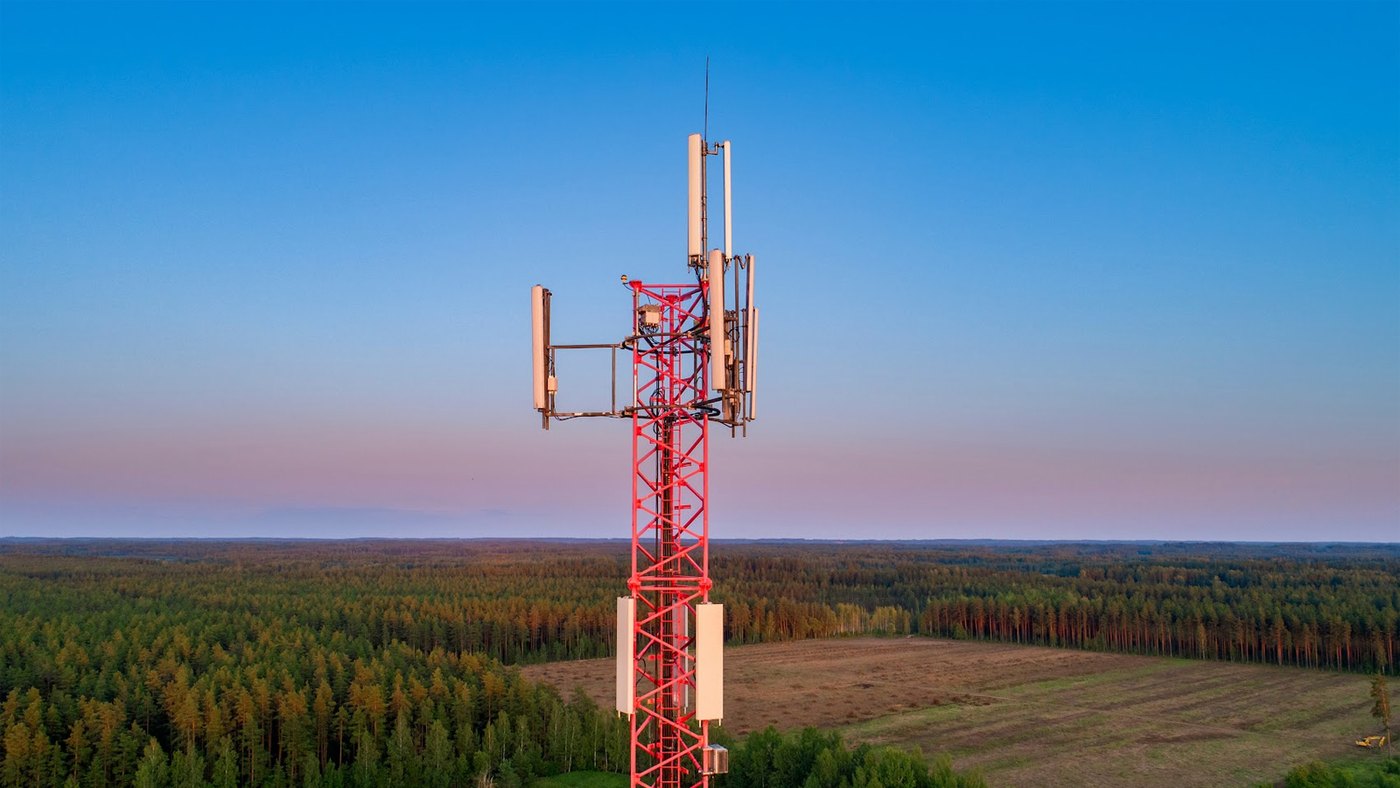
The physical equipment identity demonstrated far higher resilience against basic rogue transceiver units. On 4G LTE and 5G networks, devices refuse to transmit equipment identifiers over unencrypted airwaves, yielding the value only after establishing mutual cryptographic authentication with the cell core. As a result, entry-level rogue transceivers operating without SS7 or Diameter network access can harvest subscriber identities yet fail to capture the corresponding equipment identity unless attackers force the radio into an insecure 2G or 3G fallback state.
Advertisement
Tech Pulse Daily
Get tomorrow's pulse first
Join engineers who read Tech Pulse before stand-up. Free, weekday mornings.
IMSI vs IMEI, side by side
Evaluating both identifiers across operational parameters highlights stark differences in cryptographic exposure, protocol assignment, and transmission requirements under current 3GPP specifications.
| Identifier Type | Assigned By | Network Purpose | 2G/3G Transmission | 4G LTE Transmission | 5G Standalone Protection |
|---|---|---|---|---|---|
| IMSI | Mobile network carrier | Authenticates subscriber account and routes traffic | Plaintext unencrypted broadcast | Plaintext on initial connect, then temporary GUTI | Encrypted as Subscription Concealed Identifier (SUCI) |
| IMEI | Hardware device manufacturer | Identifies physical handset model and chassis | Transmitted in plaintext without secured channel | Transmitted only after mutual authentication | Transmitted only after mutual authentication |
Standard cellular architectures treat the subscriber identity as the primary addressing token for signaling, location queries, and cellular paging. While 5G standalone networks introduce the Subscription Concealed Identifier to encrypt subscriber identities, rogue towers bypass this shield by jamming 5G signals to trigger legacy 4G downgrades. Consequently, the subscriber identity remains the primary point of failure during airborne surveillance, whereas the equipment identity stays protected behind mutual authentication barriers unless carrier databases face internal compromise.
See the IMSI vs IMEI output
Radio interception logs reveal how passive and active attacks extract operational identifiers from over-the-air broadcasts. Idle handsets conserve battery power by cycling through dormant periods and waking during designated intervals called paging occasions. In 4G networks, the exact subframe slot is derived directly from the subscriber identity using an open mathematical formula. In a documented 2019 research paper, investigators demonstrated that sending silent calls or unprompted push notifications triggered activity on predictable paging subframes, allowing external radio monitors to confirm a target subscriber presence within eight attempts across tested US carriers.
Active transceivers leverage this paging relationship to unmask subscriber identities directly. When initial paging attempts targeting temporary identifiers encounter interference, carrier base stations automatically fall back to broadcasting raw subscriber identities over the air. By deploying a rogue tower to seize the paging channel and initiating a single silent call, researchers successfully prompted carrier systems to transmit raw subscriber credentials across clear airwaves. In contrast, equipment identifiers never appear within paging logs, remaining completely invisible to over-the-air paging sniffers.
The verdict on IMSI vs IMEI
Between the two cellular identifiers, the subscriber identity presents the immediate, widespread risk for location tracking and signal interception, while the physical equipment identity serves primarily as a secondary hardware marker. Because signaling protocols including SS7 and Diameter depend on subscriber numbers to coordinate call routing, external adversaries prioritize subscriber credential theft over device serials. An equipment identifier exposes users to persistent surveillance only when an adversary compromises the internal carrier database or executes successful cellular downgrade attacks to unencrypted legacy networks.
To mitigate persistent subscriber tracking, Cape rotates subscriber credentials across a shared customer pool every 24 hours or on demand, cycling through seven distinct assignments each week. This periodic reassignment breaks historical surveillance profiles, relocates 4G paging occasion fingerprints, and renders harvested subscriber logs obsolete. When combined with GrapheneOS operating in LTE-only mode to prevent legacy network downgrades, identifier rotation prevents rogue cell towers from assembling continuous behavioral records, establishing a dynamic defense against persistent mobile surveillance.
Developer Action Items
- ☐ Inventory whether IMSI IMEI Phone Broadcasts runs in prod, CI, staging, or on laptops before you debate severity.
- ☐ Confirm the vendor's fixed build for IMSI IMEI Phone Broadcasts from BleepingComputer, then schedule the patch window.
- ☐ If you cannot patch today, isolate the service, rotate tokens that sat on the affected surface, and raise the logging floor.
- ☐ Record the decision and residual risk so the next on-call does not re-litigate whether you are exposed.
IMSI vs IMEI FAQ
What is the main difference between an IMSI and an IMEI?
An IMSI is tied to your SIM card and authenticates your subscriber account on a carrier network, while an IMEI is tied to your physical device hardware and identifies the phone.
How do fake cell towers capture an IMSI?
Rogue towers broadcast high signal strengths to trick nearby phones into connecting, prompting devices on 4G or older networks to transmit their unencrypted IMSI before completing authentication.
How does rotating an IMSI prevent tracking?
Rotating an IMSI every 24 hours breaks long-term surveillance profiles, moves the mathematical 4G paging slot used in tracking attacks, and ensures harvested subscriber records expire quickly.
Sources

Author
Dillip Chowdary
Writes Tech Bytes coverage of AI, engineering, and the tools that actually ship. Editor of Tech Pulse Daily.
Related on Tech Bytes
Advertisement