Megaspeed exec was recruited to spy on Nvidia CEO, according to US
A US intelligence memo claimed China recruited Megaspeed executive Alice Huang to spy on Nvidia CEO Jensen Huang, while Nvidia stated customer data is secure.
By Dillip Chowdary • Nov 07, 2026 • Source: TechCrunch
A newly circulated United States intelligence memo has revealed that China’s Ministry of State Security recruited Singapore-based technology executive Alice Huang to spy on Nvidia chief executive Jensen Huang. As detailed in TechCrunch's report, multiple media accounts indicate that the intelligence assessment originated earlier this year. The revelation expands on prior findings that foreign intelligence apparatuses have focused surveillance efforts on American technology executives who oversee critical semiconductor architectures, artificial intelligence hardware infrastructure, and international component distribution channels.
This analysis details the disclosures surrounding Megaspeed executive Alice Huang, the nature of the reported recruitment effort by Chinese state security, and the operational response from Nvidia leadership regarding customer boundaries. It is designed for enterprise technology leaders, trade compliance officers, and semiconductor analysts monitoring supply chain security, export authorizations, and executive counterintelligence risks. The documentation also examines how federal trade scrutiny intersects with foreign purchasing fronts, including inquiries by the United States Commerce Department into authorized overseas entities purchasing advanced computing hardware.
Megaspeed exec was recruited to spy on Nvidia: what actually changed
The circulating United States intelligence document established that foreign state security personnel actively targeted the private interactions and commercial networks surrounding Jensen Huang. The New York Times first reported the existence of the intelligence memo, confirming earlier assessments that Nvidia’s chief executive had become a target of Chinese intelligence. Shortly afterward, the Financial Times corroborated the memo's contents and noted allegations that Jensen Huang maintained a romantic relationship with Alice Huang, who serves as an executive at Singapore-based Megaspeed. This disclosure represents a concrete expansion of documented foreign intelligence collection efforts directed at American technology leadership.
In response to these public disclosures, an Nvidia spokesperson confirmed to The New York Times that interactions between Jensen Huang and Alice Huang were not unusual for an executive operating across global commercial channels. The company explicitly emphasized that internal protocols prevent the transfer of proprietary or classified technical data outside established legal controls, maintaining that Nvidia does not share classified information with its customers. By clarifying these corporate boundaries, the hardware supplier sought to delineate standard commercial engagement from the intelligence claims raised by federal agencies regarding external surveillance operations.
Megaspeed exec was recruited to spy on Nvidia: how it works
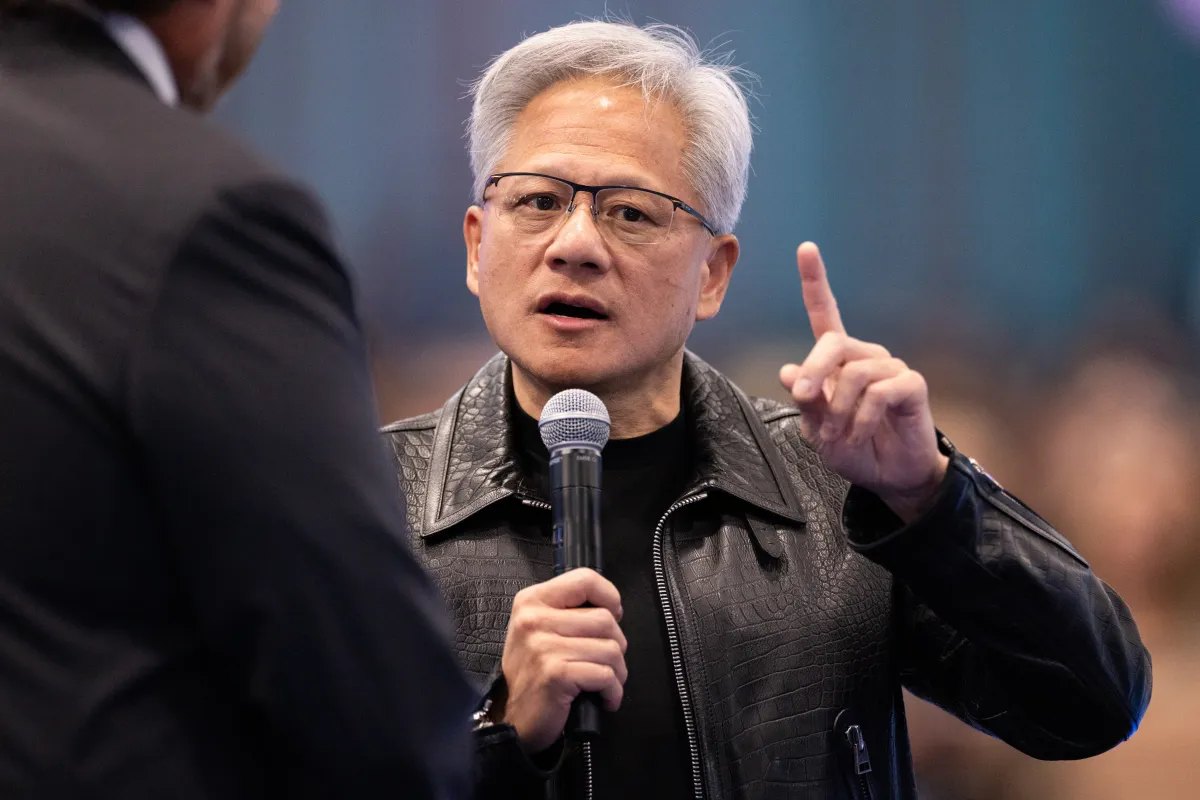
The mechanics described in the United States intelligence assessment involve targeting corporate relationships and executive touchpoints rather than attempting direct digital intrusions into internal networks. China’s Ministry of State Security reportedly approached Alice Huang at Megaspeed in Singapore, utilizing her existing industry access and personal proximity to the semiconductor firm's chief executive to observe executive movements, strategic priorities, and commercial arrangements. Intelligence agencies frequently track interpersonal access vectors because executive conversations can reveal unannounced product timelines, delivery logistics, and international commercial arrangements that standard corporate communication filters protect.
Parallel reporting highlighted how physical corporate verifications function alongside human intelligence monitoring within global hardware supply channels. When investigators examined New Matrix, a Chinese enterprise officially authorized by the United States Commerce Department to purchase advanced Nvidia semiconductors, on-site inspections at the corporate registration address revealed only a hollow gray shell. The discrepancy illustrated how intelligence and compliance mechanisms evaluate whether authorized corporate buyers serve as legitimate enterprise consumers or operate as covert procurement shells for blacklisted private equity firms seeking to secure restricted computing hardware through intermediaries.
Advertisement
Tech Pulse Daily
Get tomorrow's pulse first
Join engineers who read Tech Pulse before stand-up. Free, weekday mornings.
Megaspeed exec was recruited to spy on Nvidia: why it matters
The intersection of state intelligence operations and advanced semiconductor design underscores the critical strategic value placed on artificial intelligence computing silicon. Advanced graphics processors and accelerator systems form the foundation of global artificial intelligence infrastructure, making executive decisions regarding production capacity, export routing, and hardware availability central to geopolitical competition. When foreign intelligence organizations recruit executives from regional companies such as Megaspeed, the focus extends beyond immediate component specs to broader commercial strategy, customer allocations, and strategic supply timelines that determine how computational hardware is distributed across international markets.
The situation also demonstrates the escalating difficulty of enforcing technology controls when commercial distribution networks span multiple jurisdictions, including Singapore and mainland China. As federal agencies implement trade barriers and export licensing requirements, regulatory authorities depend heavily on physical audits and strict end-user verifications to prevent hardware diversions. The discovery that authorized entities like New Matrix might mask underlying blacklisted entities demonstrates the pressure placed on regulatory frameworks when state-backed intelligence agencies actively cultivate human assets to bridge technology access gaps and bypass regulatory trade boundaries.
Megaspeed exec was recruited to spy on Nvidia: who is affected
The disclosures immediately impact corporate governance, executive security, and compliance oversight across Nvidia and its international partner network. By confirming that communications with Alice Huang were not unusual while underscoring that classified technical data remains protected from customers, Nvidia leadership must navigate heightened scrutiny from federal oversight bodies. Enterprise customers and commercial distributors who interface with Singapore-based Megaspeed face additional evaluation regarding supply legitimacy, as commercial relationships connected to foreign intelligence investigations typically trigger rigorous cross-border compliance reviews from federal trade regulators and enforcement officials.
The scrutiny extends directly to international technology purchasing groups and regulatory licensing bodies overseen by the United States Commerce Department. Entities attempting to purchase high-performance computing hardware under existing export authorizations now face deeper investigations into their physical infrastructure, financial backing, and corporate ownership structures. The discovery of shell locations tied to approved buyers like New Matrix means corporate buyers operating in East Asia and Southeast Asia will encounter intensified background checks, rigorous facility audits, and heightened verification procedures designed to expose hidden affiliations with sanctioned private equity groups.
Megaspeed exec was recruited to spy on Nvidia: what to watch
Moving forward, industry observers must monitor whether the United States Commerce Department alters existing authorization protocols for overseas chip purchases following reports on entities like New Matrix. As questions persist regarding whether authorized firms serve as fronts for blacklisted private equity enterprises, federal regulators may introduce mandatory on-site physical verifications before granting export approvals for advanced semiconductors. Any tightening of end-user validation standards will directly influence delivery cycles and hardware availability for international tech companies relying on authorized commercial distribution channels.
Observers should also track how Nvidia balances international hardware sales against regulatory expectations across the domestic American market. A corporate spokesperson reiterated the supplier's domestic priority, affirming that the company sells the first, best and most of our technology in America. How the company maintains that allocation standard while responding to intelligence disclosures regarding Jensen Huang, Megaspeed, and authorized foreign buyers will shape subsequent federal oversight, executive security protocols, and international semiconductor trade standards across the industry.
Developer Action Items
- ☐ Map where Nvidia sits in your stack (SDK, API key, billing, data-processing addendum).
- ☐ Hold non-urgent migrations until the integration or use-of-proceeds roadmap is public — day-one coverage is not a ship signal.
- ☐ If you are mid-contract or mid-POC, ask the vendor what changes for existing customers this quarter.
- ☐ Write the single decision this forces: stay, dual-source, or exit.
Megaspeed exec was recruited to spy on Nvidia FAQ
Who is Alice Huang and what did the intelligence memo claim?
Alice Huang is an executive at Singapore-based Megaspeed who was reportedly recruited by China’s Ministry of State Security to spy on Nvidia CEO Jensen Huang. The memo, based on United States intelligence, also claimed that Jensen Huang had a romantic relationship with her.
How did Nvidia respond to the reports regarding Jensen Huang and Alice Huang?
An Nvidia spokesperson told The New York Times that Jensen Huang’s interactions with Alice Huang were not unusual. The spokesperson added that the company does not share classified information with its customers.
What did reporters discover about authorized chip buyer New Matrix?
Reporters visiting the registered address of New Matrix, a Chinese company authorized by the United States Commerce Department to purchase advanced Nvidia chips, found only a hollow gray shell. This raised concerns that the business could be a front for a blacklisted private equity firm.
What is Nvidia's stated policy on domestic technology allocation?
An Nvidia spokesperson stated that the company sells the first, best, and most of its technology in America.
Sources

Author
Dillip Chowdary
Writes Tech Bytes coverage of AI, engineering, and the tools that actually ship. Editor of Tech Pulse Daily.
Related on Tech Bytes
Advertisement